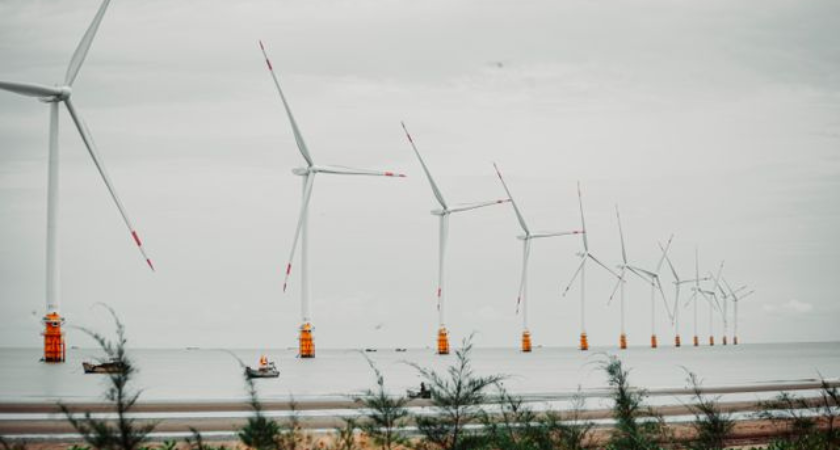
Workforce capacity and technical research are becoming key components of offshore wind development as Massachusetts expands its clean energy infrastructure. The state has awarded $4.2 million to programs focused on preparing workers for offshore wind and maritime careers while supporting research needed to guide project development.
The funding includes $1.7 million through the Offshore Wind Works program for eight projects covering workforce training, equipment and career education. The initiatives will develop skills related to planning, construction, manufacturing, operations and maintenance of offshore wind facilities.
TITAN Structural Group received $500,000 to provide trades workers with offshore wind safety and technical certifications, working with ironworkers, IBEW and IUPAT union affiliates.
Massachusetts Maritime Academy received $260,000 for equipment, certifications and instructional capacity for Helicopter Underwater Escape Training. UMass Dartmouth received $250,000 to add 30 paid internships, while UMass Boston received $249,243 to develop 10 offshore wind learning modules.
The program also supports career-awareness efforts through STEAM the Streets, UMass Amherst, MANSA Consulting and Tufts University.
A separate $2.5 million allocation will support 12 research projects examining fisheries, wildlife, regional transmission, monitoring and science communication in Southern New England and the Gulf of Maine.
Research awards include projects studying fishing activity, cod spawning grounds, marine ecosystems, North Atlantic right whale prey, migratory birds and bats. Other work will examine transmission options connecting New England, New York and Atlantic Canada.
The awards also include research into nature-inclusive project design and a digital twin of the Gulf of Maine to evaluate potential effects associated with floating offshore wind turbines.
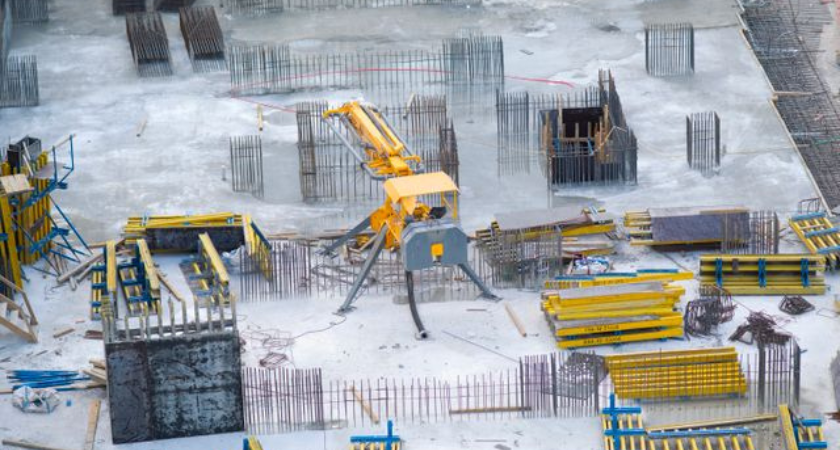
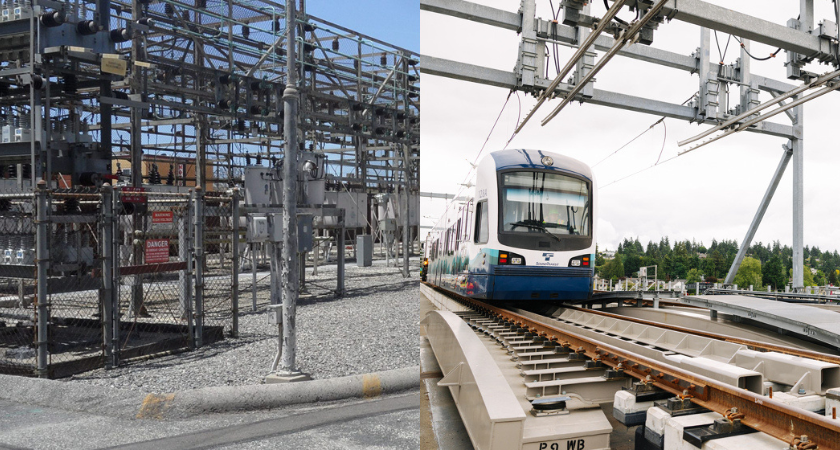
For construction and infrastructure stakeholders, the investment links workforce development with the technical requirements of a growing offshore energy sector. Training programs can provide workers with credentials applicable across construction, maritime and clean energy projects, while research funding addresses environmental, transmission and operational considerations that can affect future project planning and delivery.
Source: Mass. Gov.