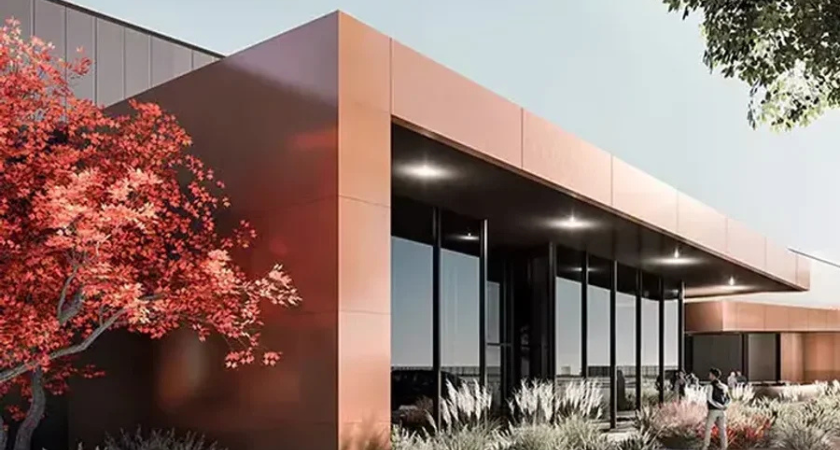
A new controversy surrounding a $1 billion data center project by Meta Platforms in Beaver Dam is drawing attention to the environmental risks tied to large-scale construction and the rapid expansion of digital infrastructure across the United States.
.jpg)
Local resident Maily Kocinski says construction activity near the Beaver Dam Commerce Park has negatively affected a nearby creek, raising concerns about water quality and oversight as demand for data centers continues to grow.
According to Kocinski, the creek began exhibiting unusual behavior in May 2025, including periods where it ran completely dry, followed by surges that eroded its banks. At other times, the water appeared cloudy “like milk” and emitted chemical odors.
She later had the water tested at her own expense, with results indicating the presence of heavy metals.
Kocinski says that the U.S. Geological Survey reported high levels of aluminum in the creek, “consistent with heavy construction site activity, such as even rinsing out concrete trucks.”
The situation in Beaver Dam reflects a broader trend tied to the rapid growth of data centers across the U.S. Driven by increasing adoption of artificial intelligence and cloud computing, the number of facilities has surged in recent years.
A 2021 report by the U.S. International Trade Commission estimated about 2,600 data centers nationwide. That figure has since climbed to more than 4,000, according to industry tracking data.
While these facilities are critical to powering digital infrastructure, they have also raised concerns among nearby communities. Residents in other regions have reported issues ranging from persistent noise to rising local temperatures.
In Loudoun County, a major data center hub, some residents have complained about noise disruptions from facilities operating around the clock. Studies have also suggested that data centers can increase surrounding temperatures by several degrees, further intensifying environmental concerns.
Advocacy groups, including the World Resources Institute, have noted that many data centers are located in already vulnerable communities, including low-income areas and regions facing higher levels of pollution.
Despite mounting concerns, regulatory frameworks governing data center development have struggled to keep pace with industry expansion.
In July 2025, an executive order issued under Donald J. Trump emphasized accelerating federal permitting for data center infrastructure, aiming to strengthen U.S. leadership in technology and manufacturing by reducing regulatory barriers.
Following that directive, the U.S. Environmental Protection Agency indicated plans to streamline environmental reviews, including those under the Clean Air Act.
However, some lawmakers are now pushing for increased oversight. In early 2026, federal legislators introduced the Data Center Transparency Act, which would require operators to disclose impacts on air and water quality, as well as energy consumption.

Another proposal, the Data Center Community Impact Act, calls for a federal study into how such facilities affect low-income and minority communities. Both measures remain under consideration and have not yet been enacted into law.
At the state level, jurisdictions like Virginia have begun exploring additional regulations to manage the industry’s footprint, though comprehensive standards remain limited.
For residents like Kocinski, the uncertainty leaves communities navigating the consequences of large-scale infrastructure projects with few immediate remedies.
As data center construction accelerates nationwide, the situation in Beaver Dam highlights the growing tension between technological expansion and environmental protection — a balance policymakers and industry leaders will increasingly be forced to address.
Originally reported by Kit Pulliam in Money Wise.