As labor shortages continue to challenge the construction and infrastructure sectors, Michels is investing in early workforce development efforts designed to introduce students to careers in the skilled trades.
The company recently welcomed nearly 100 students from 16 high schools to its Brownsville, Wisconsin, corporate yard for its annual Career Exploration Day. The event provided participants with a firsthand look at the diverse range of career paths available across construction, utility, energy, transportation, and infrastructure operations.
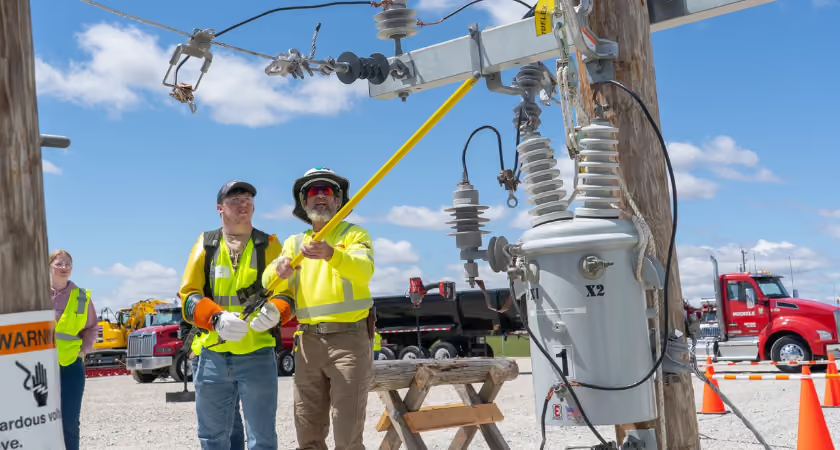
Students moved through multiple interactive stations that showcased various aspects of Michels' business. Activities included demonstrations involving power restoration tools, drilling operations, marine construction equipment, trucking fleets, and heavy machinery commonly used on infrastructure projects.
The program was designed to provide practical exposure to jobsite environments while allowing students to engage directly with employees working across the company's operating divisions. Team members shared insights into their career journeys, training experiences, and opportunities available to those interested in entering the construction industry.
Programs such as Career Exploration Day have become increasingly important as contractors seek new ways to address a persistent shortage of skilled labor. Across the industry, companies are partnering with schools, technical education programs, and workforce organizations to build awareness of career opportunities that do not necessarily require a traditional four-year degree.
Many construction employers have expanded apprenticeship programs, paid training opportunities, and internship offerings to create alternative pathways into the workforce while helping meet future labor demands.
Michels highlighted several entry points for students interested in pursuing careers with the company, including youth apprenticeship opportunities, training programs for recent graduates, and internships for college students.
The company's internship program has also become a significant recruiting tool. This year, Michels expects to host more than 300 interns, providing students with opportunities to gain experience on active projects across the country. Such programs often serve as a pipeline for future full-time hires and help contractors identify talent early in the educational process.
Industry leaders continue to emphasize that attracting younger workers will be critical to replacing retiring employees and sustaining project delivery capacity in the coming decades.
For construction owners, workforce development initiatives like Michels' Career Exploration Day can help strengthen the industry's long-term labor supply. As contractors invest in recruiting and training future workers, owners may benefit from a larger skilled workforce capable of supporting growing infrastructure, utility, and commercial construction demands. Continued investment in talent development is likely to remain essential as labor availability increasingly influences project schedules, costs, and delivery outcomes.
Source: Michels.