Michigan is expanding the redevelopment potential of contaminated properties by directing public funding toward renewable energy infrastructure, creating opportunities to reuse brownfield sites for solar generation and energy storage while addressing environmental risks. The Michigan Department of Environment, Great Lakes, and Energy (EGLE) has launched the MI Brightfields Pilot, a $10 million grant initiative supporting clean energy projects on properties with known environmental contamination.
The pilot will fund projects that establish renewable energy generation or energy storage infrastructure on contaminated properties. Eligible expenses include renewable energy and storage installations, site preparation, environmental assessments and work required to make properties safe for redevelopment.
EGLE will give priority to proposals located in low-income and disadvantaged communities. Projects offering additional community benefits beyond clean energy production and environmental remediation may also receive stronger consideration. Applications that incorporate further environmental improvements or attract additional investment are among those the program is designed to encourage.
The first application deadline is Dec. 13, 2026. EGLE will award no more than $5 million during this initial round, with another funding round scheduled to open in spring 2027.
The Cadillac Solar Garden in Cadillac, Michigan, provides an example of how contaminated industrial land can support renewable energy development.
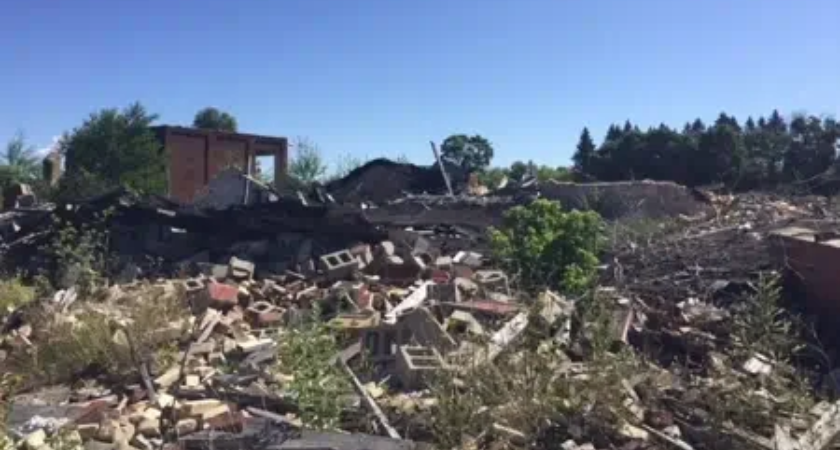
The property formerly housed an auto parts manufacturer and had industrial solvent contamination in its soil. A 2013 fire also left approximately 5,000 tons of asbestos-containing material at the site.
EGLE partnered with the city of Cadillac and Consumers Energy to assemble a $1.25 million brownfield incentives package. The redevelopment resulted in a solar installation with 1,752 panels across 2.77 acres. The system generates enough electricity to serve approximately 100 homes.
The project demonstrates how brownfield redevelopment can combine environmental remediation with additional electricity generation without requiring the same land-use approach as conventional greenfield development.
The MI Brightfields Pilot creates a funding opportunity for developers, renewable energy companies and construction teams working with contaminated properties. Support for site assessments, preparation and safety-related work can help address early redevelopment requirements before energy infrastructure is installed.
By prioritizing disadvantaged communities and projects with wider environmental benefits, the program also connects clean energy investment with local redevelopment objectives. The spring 2027 funding round may provide another opportunity for eligible projects that are not ready for the first application deadline.
Source: Michigan Govt.