The rapid expansion of artificial intelligence infrastructure is accelerating data center construction worldwide, creating new opportunities for modular and repeatable building approaches, according to an industry executive.
.webp)
Johnny Clemmons, global vice president and industries head at SAP, argues that modular construction could play a major role in helping developers build data centers faster and more efficiently as demand for computing capacity continues to surge.
Artificial intelligence is driving unprecedented spending on data infrastructure, with approximately $40 billion invested annually in U.S. data center construction alone.
The pace of development is accelerating as technology companies expand their computing networks. Projects such as the $400 billion Stargate initiative led by OpenAI with partners Oracle and SoftBank aim to add 10 gigawatts of data center capacity, while Amazon is pursuing a $100 billion global data center expansion strategy.
Industry analysts at Moody’s estimate that global data center investment could reach $3 trillion over the next five years.
Clemmons notes that while architecture and design aesthetics often drive decisions in other building sectors, data centers operate under different priorities.
Performance, reliability, and operational efficiency typically outweigh aesthetic considerations. Facilities must maintain highly controlled environments for sensitive computing equipment while supporting heavy electrical loads, advanced cooling systems, and strict security requirements.
Because many of these requirements remain consistent across projects, data centers are particularly well suited to standardized and repeatable construction models.
Rather than creating unique designs for every project, developers could rely on a modular blueprint that can be adapted and replicated across multiple sites.
Clemmons argues that unnecessary customization can slow projects and introduce risk.
Excessive customization leads to longer timelines, higher and less predictable costs, quality inconsistencies and elevated risk. Modularization, on the other hand, allows projects to be designed, approved, built and commissioned faster, at a more predictable and often lower cost, with fewer surprises along the way.
Modularization can deliver several key benefits for developers seeking to scale data center infrastructure quickly.
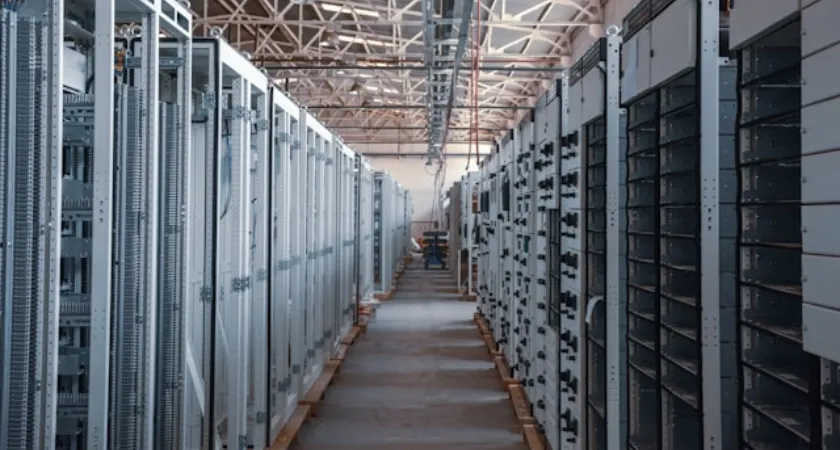
One major advantage is speed to market. Standardized modules — such as one-megawatt building units with preconfigured HVAC systems, materials and equipment — can be manufactured and assembled more quickly than fully customized facilities.
Off-site fabrication also allows construction teams to build components simultaneously rather than sequentially, significantly reducing project timelines.
Artificial intelligence tools can also help optimize module designs and configurations before construction begins.
Another benefit is improved cost predictability. With standardized components and procurement strategies, developers can better estimate project budgets and reduce unexpected expenses.
Data centers require extremely precise environmental conditions. Even small changes in temperature or airflow can affect equipment performance.
Modular designs supported by advanced modeling tools allow engineers to optimize interior layouts based on previous project data and performance metrics.
By analyzing historical design specifications, intelligent systems can help identify best practices for equipment placement, cooling systems and structural configurations.
AI-driven modeling can also help develop reference libraries containing proven construction approaches for data center facilities.
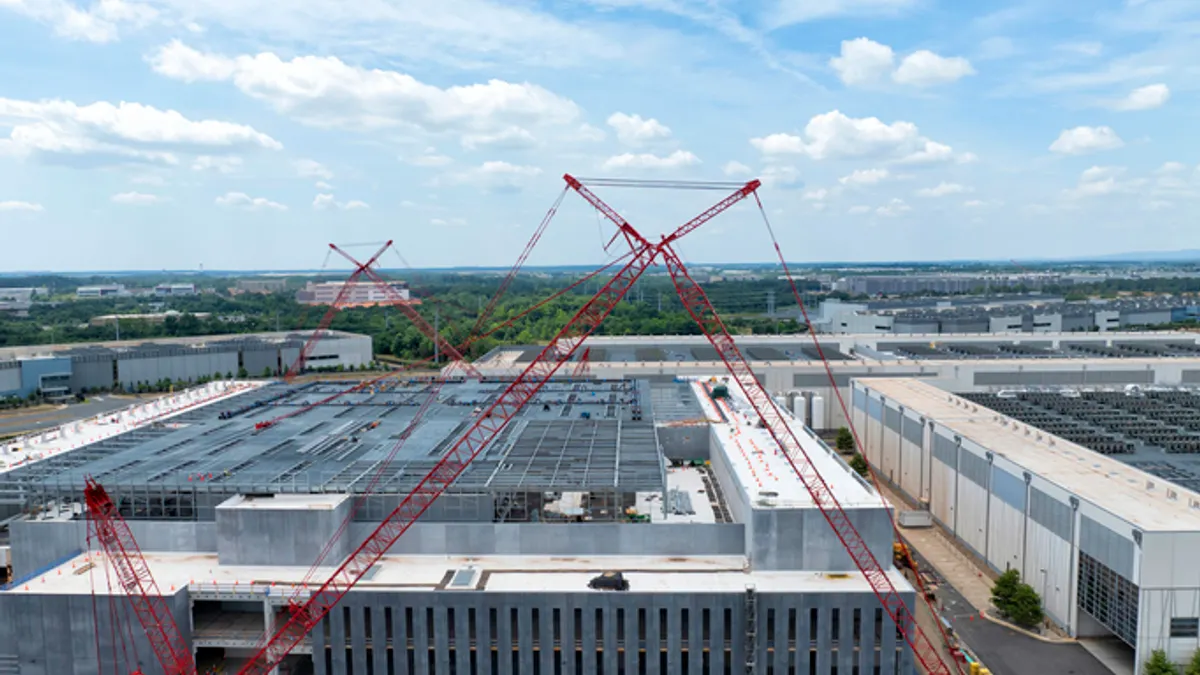
Standardized construction approaches also improve oversight and quality control. With predictable designs and processes, contractors and project managers can track progress and monitor compliance with technical specifications in near real time.
Digital monitoring systems can detect potential issues earlier in the construction process, allowing teams to address problems before they become costly delays.
Modular construction can also support sustainability goals. Intelligent tracking tools can measure carbon emissions, recycled material usage and other environmental performance indicators throughout the project lifecycle.
Clemmons argues that combining these technologies with repeatable designs could help the industry deliver data center infrastructure more efficiently as demand continues to grow.
By integrating modular construction, AI-driven design tools and standardized processes, developers may be able to bring new facilities online faster while maintaining performance and reliability.
Originally reported by Johnny Clemmons in Construction Dive.