A new workforce development initiative in Long Beach is creating an earlier entry point into the electrical trades by allowing high school seniors to begin apprenticeship training before graduation. The program is designed to connect students with structured trade education while addressing the industry's need for a continuing pipeline of skilled electrical workers.
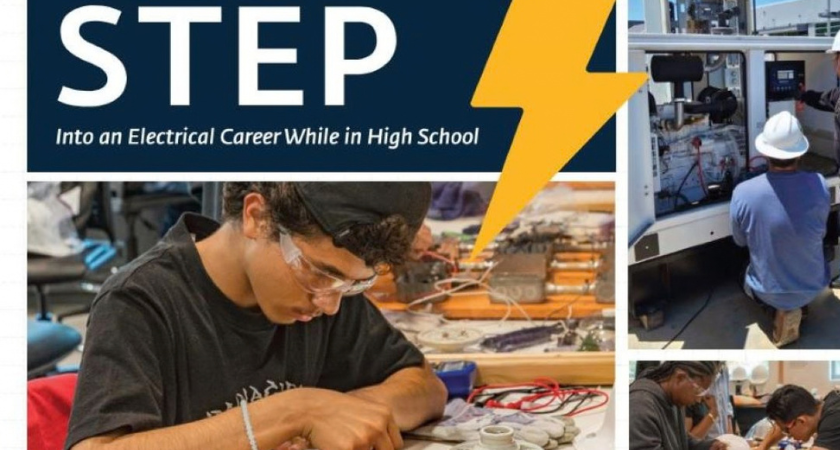
Morrow-Meadows highlighted the Seniors to Electrical Program (STEP), a partnership involving IBEW Local 11, the National Electrical Contractors Association (NECA), the Electrical Training Institute (ETI), the Port of Long Beach and Long Beach schools.
STEP is scheduled to launch with approximately 25 seniors from three Long Beach high schools. Students will continue their regular high school studies during the day and participate in first-year electrical apprenticeship coursework after school.
Students who complete the program, satisfy its requirements and graduate from high school will have a direct-entry pathway into IBEW Local 11's apprenticeship program. The structure gives participants an opportunity to begin trade-specific education without waiting until after high school to enter the apprenticeship system.
The program is intended to provide students with greater exposure to electrical careers while establishing a more direct transition between secondary education and construction workforce training.
The initiative brings together labor, electrical contractors, training organizations, a major regional infrastructure stakeholder and local schools. That partnership provides students with access to apprenticeship curriculum while they remain enrolled in high school.
The program's development was influenced in part by existing efforts that provide pre-apprenticeship or apprenticeship-related training to specific groups before they transition into the workforce. STEP applies a similar early-training concept to high school students interested in electrical careers.
Beyond technical instruction, the program includes mentoring and life-skills development. Areas addressed through the initiative include workplace expectations, punctuality, accountability, personal development and other skills relevant to long-term employment.
Construction contractors continue to depend on reliable pathways for recruiting and training skilled craft workers. Programs that introduce apprenticeship education during high school can create earlier connections between students, employers and trade training organizations.
For electrical contractors and project owners, initiatives such as STEP can also strengthen the long-term workforce pipeline by giving prospective apprentices structured exposure to the trade before entering full-time apprenticeship programs.
The Long Beach model also demonstrates how contractors, labor organizations, schools and public-sector partners can coordinate workforce development around regional construction needs
Source: Morrow-Meadows.