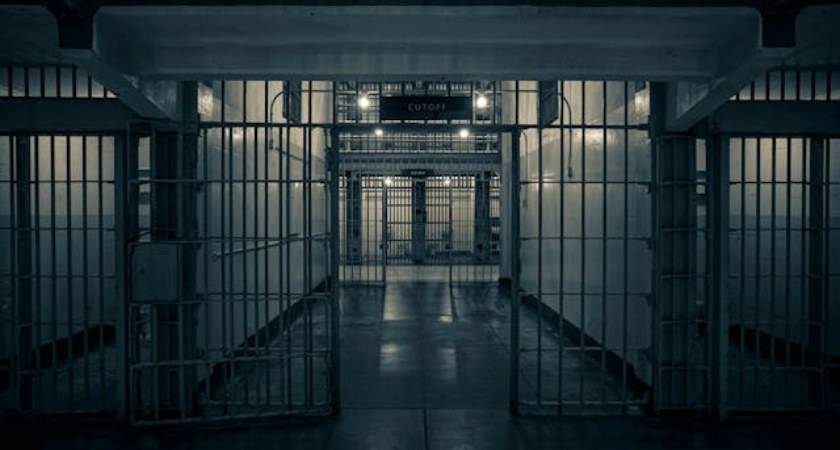
Political and community opposition to immigration detention infrastructure in New Jersey is creating new uncertainty for developers, contractors and private operators involved in institutional facility construction projects.
The debate intensified following continued protests surrounding Delaney Hall, one of New Jersey’s existing immigration detention centers. Activists, residents and some state lawmakers are now pushing for measures aimed at preventing additional facilities from opening across the state.
A proposed detention center project in Roxbury has become a focal point in the broader dispute. Earlier this year, plans moved forward for a large-scale immigration detention facility in the township before local officials and the state challenged the project in court.
A judge later ordered construction activity to pause while environmental reviews are conducted. Although the project has not been permanently canceled, the legal challenge has highlighted the growing regulatory and political risks associated with controversial institutional developments.
At the same time, lawmakers in the state legislature are advancing proposals that could make future detention center projects financially more difficult for private operators. One proposal under consideration would impose a substantial tax on companies contracted by the federal government to operate detention facilities in New Jersey.
Supporters of the legislation argue the measure is intended to discourage private-sector involvement in immigration detention operations while redirecting potential tax revenue toward legal assistance programs for detainees.
For the construction industry, the situation reflects how political opposition and evolving policy debates can significantly influence project feasibility, entitlement timelines and investment decisions tied to specialized institutional infrastructure.
Developers pursuing correctional, detention or security-related facilities often face extensive community engagement requirements, environmental review processes and legal scrutiny. In politically sensitive markets, those pressures can create financing challenges and delays that affect contractors, subcontractors and long-term project planning.
The Roxbury case also underscores the increasing role environmental review procedures play in large public-interest developments. Courts and local governments are applying closer scrutiny to land use, transportation impacts and public safety concerns tied to institutional facilities.
More broadly, public-private partnerships involving detention infrastructure may encounter heightened risk as state and local governments reevaluate their positions on federal immigration enforcement operations.
For construction owners and developers, the New Jersey debate signals the importance of assessing political exposure and community sentiment early in the planning process for controversial infrastructure projects.
Institutional developments tied to detention, corrections or federal enforcement operations may require more extensive stakeholder outreach, legal preparation and environmental compliance efforts before construction can proceed.
Contractors pursuing these opportunities could also encounter longer procurement cycles, litigation-related delays and reputational considerations that influence financing and project delivery. In markets with active political opposition, developers may need to diversify project pipelines and strengthen risk management strategies to navigate changing regulatory conditions.
Originally reported by Christine Queally in Connecticut News 12.