A new legal resource aimed at educating construction workers about workplace protections has been released by the Law Office of Steven Louros. The Manhattan-based firm recently published a guide explaining the provisions and worker protections included in New York Labor Law Section 240.
.webp)
The resource focuses on helping injured construction workers, their families and advocates better understand the legal safeguards provided by the law, which is widely recognized as one of the strongest worker safety statutes in the United States.
The guide explains how the Scaffold Law applies to construction projects across New York City and outlines the responsibilities placed on property owners and contractors to provide proper safety equipment when workers perform tasks at elevated heights.
“Construction workers help build and maintain New York City every day, and the work often involves significant risks,” said Steven Louros, founder of the firm. “We created this resource so workers and their families can better understand the protections that exist under Labor Law Section 240. The Scaffold Law is intended to hold responsible parties accountable when safety measures are not properly provided.”
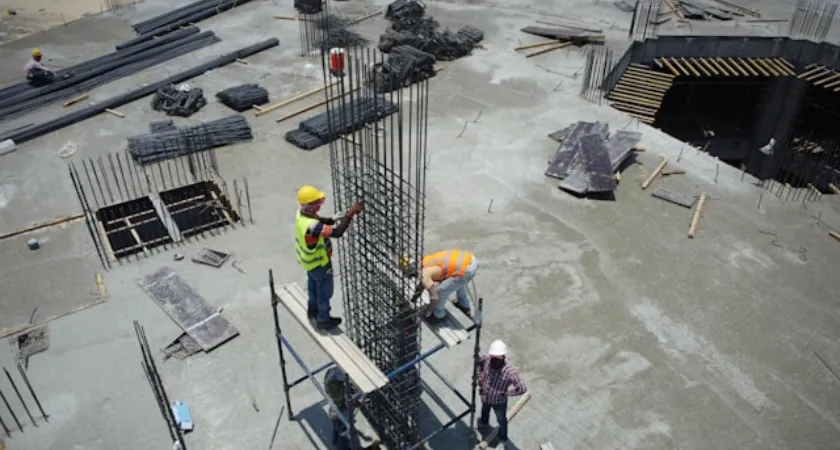
The resource details how Labor Law Section 240 protects workers who face elevation-related hazards on construction sites. Under the law, property owners and general contractors must ensure that proper safety devices are available and functioning when workers are exposed to fall risks.
The guide explains that safety equipment may include scaffolding, ladders, hoists, harnesses and other fall-protection systems designed to prevent serious injuries.
Unlike many workplace injury claims that require proof of negligence, the Scaffold Law applies a strict liability standard. This means injured workers do not have to prove carelessness by an employer or property owner. Instead, the central issue is whether the required safety equipment was properly provided and maintained.
The guide also identifies the types of workers typically protected by the statute. These may include construction laborers, demolition workers, painters, roofers, window washers and renovation crews who perform elevated work throughout the city.
According to the resource, scaffold-related accidents can occur in a variety of environments across New York City’s construction landscape.
Examples highlighted in the guide include falls from scaffolding on high-rise projects in Manhattan, ladder accidents on construction sites in Brooklyn, and roof-related falls in Queens and The Bronx. Workers may also suffer injuries caused by falling tools, building materials or construction debris.
The guide explains that liability in Scaffold Law cases can extend beyond a worker’s direct employer. Property owners, general contractors and construction managers who control job-site safety conditions may also be held responsible if safety requirements are not met.
Understanding which parties are legally accountable is often a key step in determining whether an injured worker may pursue a claim under the statute.
.webp)
The resource also outlines potential compensation options available to injured workers through legal claims.
Depending on the circumstances of an accident, damages may include coverage for medical expenses, lost wages, pain and suffering, permanent disability and, in fatal cases, wrongful death compensation for surviving family members.
Construction accidents continue to be a significant source of serious injuries across New York City, where cranes, scaffolding systems and high-rise construction sites are common across the five boroughs.
Labor Law Section 240 was created to address these risks by placing a heightened duty of care on property owners and contractors responsible for construction site safety.
The law firm also emphasized its commitment to serving the diverse construction workforce across the region. The firm provides multilingual legal services in English, Mandarin Chinese, Cantonese, Korean and Spanish to ensure injured workers can access legal guidance regardless of language barriers.
Workers injured on construction sites in New York City are encouraged to seek legal guidance to better understand their rights and the protections available under the Scaffold Law.
Originally reported by Law Office of Steven Louros in Global News Wire.