Rising oil prices fueled a sharp increase in construction costs in March, as contractors across the U.S. grappled with escalating fuel and material expenses tied to geopolitical instability.
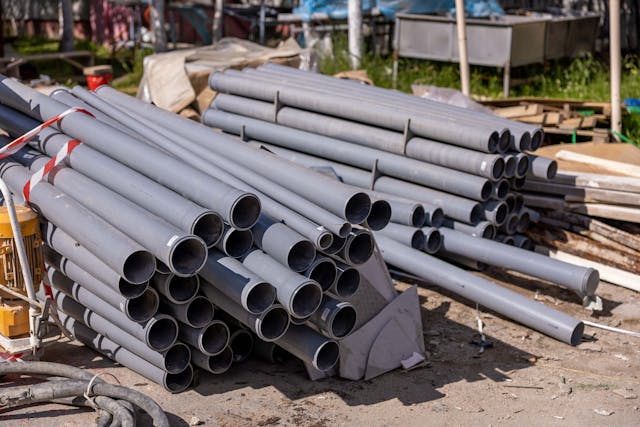
Construction input prices climbed 2.2% month over month in March, according to an analysis of new economic data released by the Associated Builders and Contractors. Nonresidential input prices rose slightly higher, increasing 2.3% during the same period, largely driven by a spike in crude petroleum costs.
The surge in oil prices has been linked to ongoing geopolitical tensions surrounding the conflict involving Iran, which has disrupted global energy markets and created ripple effects across construction supply chains.
Crude petroleum prices jumped 20.2% in March alone, putting upward pressure on “virtually every construction material,” said Anirban Basu, chief economist for Associated Builders and Contractors.
He noted that while the immediate impact has been significant, the longer-term trajectory for input prices remains uncertain.
On a year-over-year basis, construction material costs are now up 4.8%, marking the largest annual increase since January 2023. Additionally, input prices rose at an 18% annualized rate during the first quarter of 2026, underscoring the rapid pace of cost escalation.
“The rapid increase in diesel prices since late February, for instance, will raise shipping costs,” said Basu. “It will be interesting to see if that optimism persists in the event of prolonged oil market strife.”
Despite rising costs, contractor sentiment showed signs of resilience. Profit margin expectations ticked up again in March, according to ABC data, suggesting some firms remain cautiously optimistic about demand and pricing power.
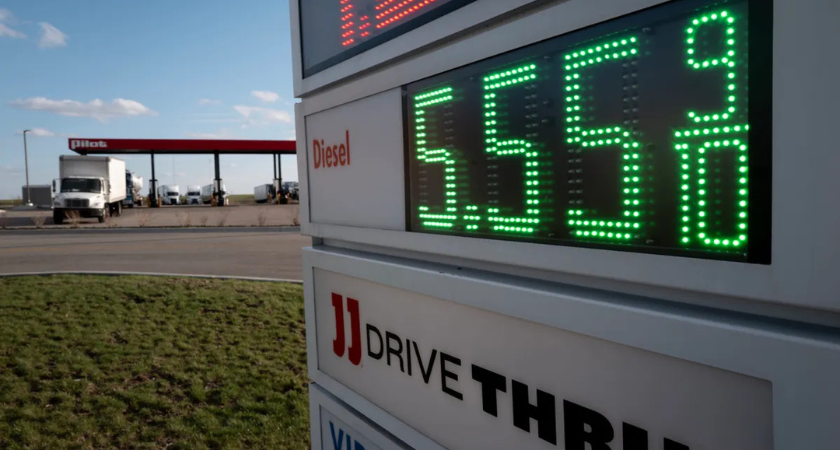
The most immediate impact has been felt in fuel markets, particularly diesel. Prices surged 37.8% from February to March, marking the largest one-month increase since the Gulf War in 1990, according to an analysis by the Associated General Contractors of America.
“The staggering jump in fuel costs only reflects prices as of mid-March,” said Ken Simonson, AGC chief economist. “Diesel fuel prices have continued to rise sharply since then, while the destruction of aluminum facilities and blockage of ship movements due to the Middle East war is driving costs still higher.”
Contractors report being hit with rapidly rising fuel surcharges on thousands of material and equipment deliveries to jobsites. These increases come on top of higher direct fuel expenses for operating trucks and heavy machinery.
Because many construction contracts are fixed-price agreements, firms often struggle to pass rising costs onto project owners.
“Because contractors can seldom pass along cost increases after committing to a project, these extreme, sudden jumps are causing major hardship,” said AGC CEO Jeffrey Shoaf. “In addition, uncertainty over future costs and demand for structures may cause owners to delay or cancel previously planned projects, adding to contractors’ woes and slowing economic growth.”
As volatility in global energy markets continues, industry experts warn that sustained increases in oil prices could further strain construction budgets and delay project timelines in the months ahead.
Originally reported by Sebastian Obando, Reporter in Construction Dive.