As regulatory requirements surrounding per- and polyfluoroalkyl substances (PFAS) continue to evolve, engineering and environmental firms are investing in technologies that help owners address contamination across industrial, municipal and defense facilities. Parsons has expanded its integrated remediation offerings to support projects involving contaminated soil, water and infrastructure.
Parsons has broadened its environmental remediation capabilities with an expanded suite of technologies designed to investigate, remove and destroy PFAS contaminants.
The company's integrated approach combines proprietary treatment methods, internal research and development, and environmental engineering services to support remediation projects across North America. The expanded portfolio is intended to help public and private sector clients comply with increasingly stringent environmental regulations while managing long-term remediation costs.
Parsons' primary PFAS offerings include Hot In Situ Chemical Oxidation (Hot ISCO), ultraviolet-based PFAS destruction, thermal desorption technology and aqueous film-forming foam (AFFF) cleanout services.
The technologies are designed to address PFAS contamination across multiple environmental media and infrastructure applications.
Hot ISCO is used to destroy PFAS contaminants within soil and groundwater while also supporting treatment of contaminated water and industrial waste streams. Thermal desorption removes PFAS from contaminated soils using controlled heating before treating emissions generated during the process.
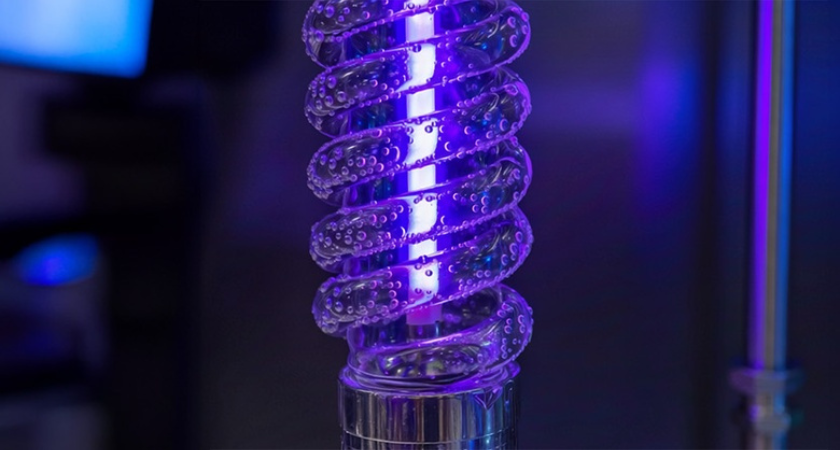
Parsons' ultraviolet treatment technology targets PFAS in wastewater, groundwater and other liquid waste streams through catalytic reactions intended to break down persistent compounds. The company also provides AFFF cleanout services for firefighting systems, reducing residual PFAS contamination in fire suppression equipment.
Parsons has applied these technologies on projects that include soil remediation at Joint Base Elmendorf-Richardson in Alaska, PFAS investigations and cleanout programs at airports, and pilot-scale treatment initiatives in Canada.
Demand for PFAS remediation services continues to grow as federal, state and provincial regulators implement stricter standards for emerging contaminants. For construction owners, environmental contractors and infrastructure operators, expanding remediation technologies provide additional options for addressing contaminated sites, maintaining regulatory compliance and reducing long-term environmental liabilities across industrial, municipal and transportation facilities.
Source: Parsons.