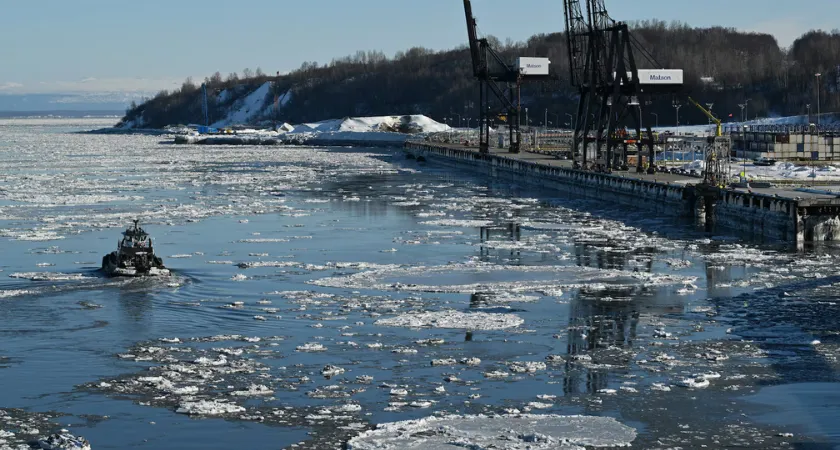
Work has officially begun on a sweeping modernization effort at the Don Young Port of Alaska in Anchorage, marking the start of the largest infrastructure upgrade in the port’s history.
Crews initiated construction this week on the replacement of Cargo Terminal 1, a key component of the long-term Port of Alaska Modernization Program. The multibillion-dollar initiative is designed to stabilize and rebuild the state’s primary cargo hub, which handles the majority of inbound goods for Alaska.
Once spring conditions improve, workforce levels are expected to ramp up significantly, with as many as 300 workers anticipated on site.
Local officials say the need for modernization is widely recognized, despite the project’s high cost, currently estimated at $2.75 billion over the next decade.
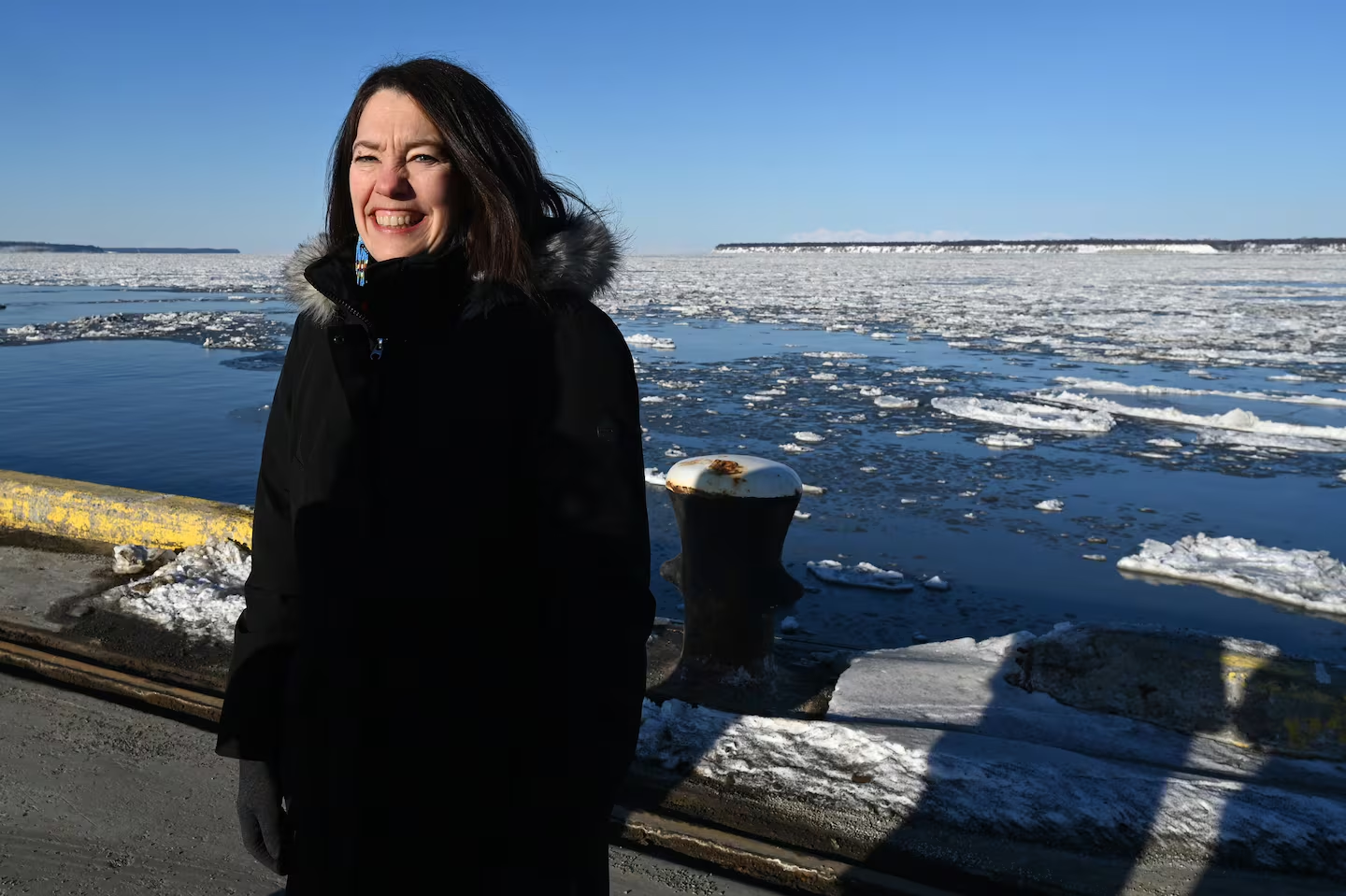
Suzanne LaFrance stressed the importance of the project during a recent site visit.
“With a large program like this, (and) big pieces of infrastructure, there are questions around how will we fund it,” she said. “I would say most everyone agrees that this is a priority and something that must be modernized and rebuilt.”
Originally constructed in the 1960s, the port has endured decades of wear due to harsh environmental conditions in Cook Inlet. Constant exposure to saltwater, ice movement and extreme tidal fluctuations has significantly weakened structural components.
Port Director Terry Umatum described the deteriorating conditions.
“It is a really difficult place to have iron and steel sitting in salt water for 67 years and not expected to start to collapse and fall,” he said. “That’s kind of where we’re at right now.”
To finance the massive overhaul, Anchorage officials approved the use of revenue bonds, which will be repaid through fees on goods entering the port. This funding approach shifts costs indirectly to consumers through higher prices on everyday goods.
“Every single Alaskan is going to pay for this. ... Think about what your eggs, milk and what a vehicle would cost in Alaska, it’s going to go up exponentially,” Umatum said.
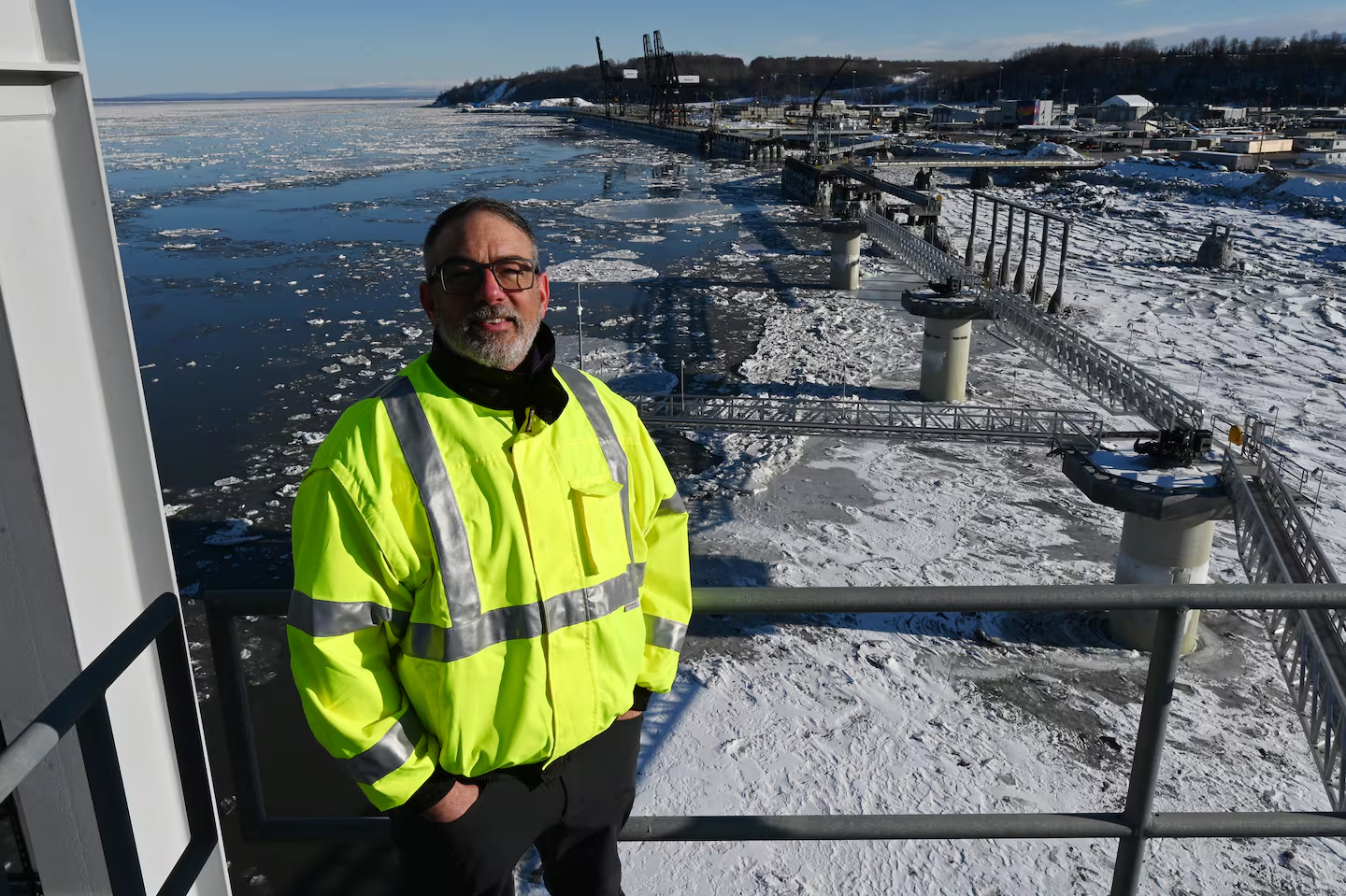
The replacement of Terminal 1 alone is expected to cost roughly $807 million and could continue through 2029. Additional upgrades include new pilings, crane replacements and expanded infrastructure to support future cargo demands.
Despite construction, officials say daily port operations will continue with minimal disruption, although nearby communities may experience increased noise and vibrations as crews install new structural supports.
The Port of Alaska plays a critical role in the state’s supply chain, handling an estimated 90% of consumer goods entering Alaska. As such, the modernization effort carries statewide implications beyond Anchorage, affecting food prices, fuel costs and overall economic stability. The project also highlights the challenges of maintaining infrastructure in extreme environments, where corrosion, seismic risk and climate factors accelerate deterioration. By investing in long-term resilience, officials aim to safeguard not only the port’s operational capacity but also Alaska’s economic lifeline. However, balancing infrastructure investment with affordability will remain a key concern, especially as rising surcharges may place additional pressure on residents already facing high living costs.
Originally reported by Bella Biondini in ADN.



.png)