As construction activity expands across Florida, workforce availability is becoming an increasingly important factor in the industry’s ability to deliver new housing, infrastructure and commercial projects. Power Design recently brought construction workforce concerns to state political leaders during a visit from U.S. Rep. Byron Donalds and Bryan Avila.
Donalds, who is running for governor of Florida, visited Power Design’s St. Petersburg facility with Avila, his recently selected running mate. Power Design executives discussed the challenges contractors face in developing and retaining skilled workers, including the need for stronger education and apprenticeship pathways.
The discussions focused on how Florida can strengthen pathways into skilled-trades careers as demand for construction workers continues across the state.
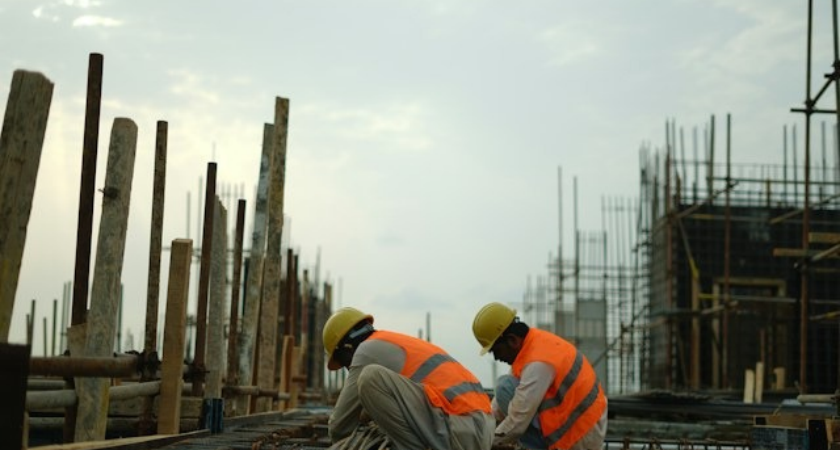
For contractors, shortages in electrical, mechanical, plumbing and other skilled occupations can affect project schedules, labor costs and the ability to pursue additional work. Expanding apprenticeship opportunities can provide contractors with a structured way to develop entry-level workers while building longer-term workforce capacity.
Power Design has made workforce development part of its broader business strategy. Its PowerU registered apprenticeship program provides training for workers entering skilled construction careers, while the company's Build the Nation initiative promotes greater awareness of construction occupations.
The company also has hosted local and state leaders at its St. Petersburg operations to demonstrate its workforce training efforts and discuss labor needs.
Power Design's engagement with government and community leaders comes as construction employers continue to seek alternatives to traditional workforce recruitment. Apprenticeships can help address this challenge by combining classroom instruction with hands-on experience and jobsite training.
For construction owners and contractors, stronger workforce pipelines can improve access to qualified labor and reduce dependence on short-term recruiting as project demand changes. Education partnerships and direct engagement with policymakers can also help align training programs with the skills employers need.
The meeting underscores the growing role of collaboration among contractors, educators, communities and government in addressing construction labor requirements.
Florida's continued development will require a steady supply of electricians, plumbers, mechanical workers, supervisors and other skilled professionals. Workforce shortages can create schedule risks and increase competition for qualified labor, particularly in markets experiencing rapid development.
For contractors and developers, investments in apprenticeship programs and early-career training can provide a longer-term strategy for building labor capacity. For policymakers, industry input can help shape workforce programs around the practical requirements of construction projects.
Power Design's discussions with Florida leaders highlight how workforce development is increasingly becoming a business and project-delivery issue, rather than solely a recruitment concern.
Source: Power Design Inc.