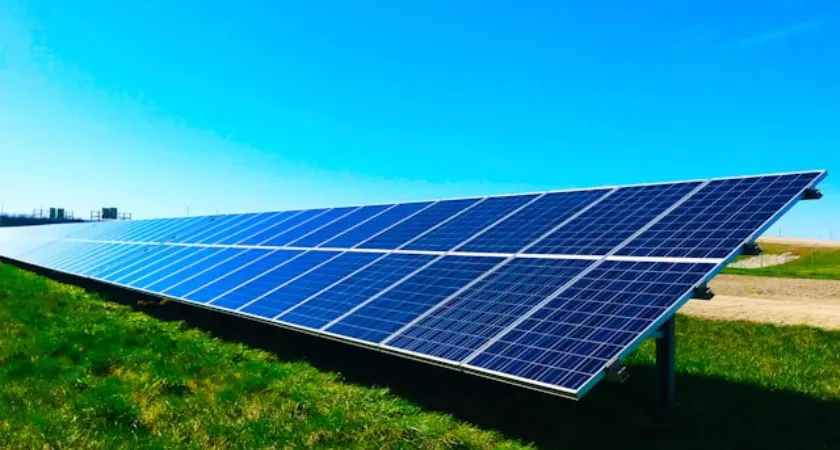
PowerBank Corporation has announced the spring mobilization of nine renewable energy projects across New York State, marking a significant step forward in its expanding clean energy portfolio.
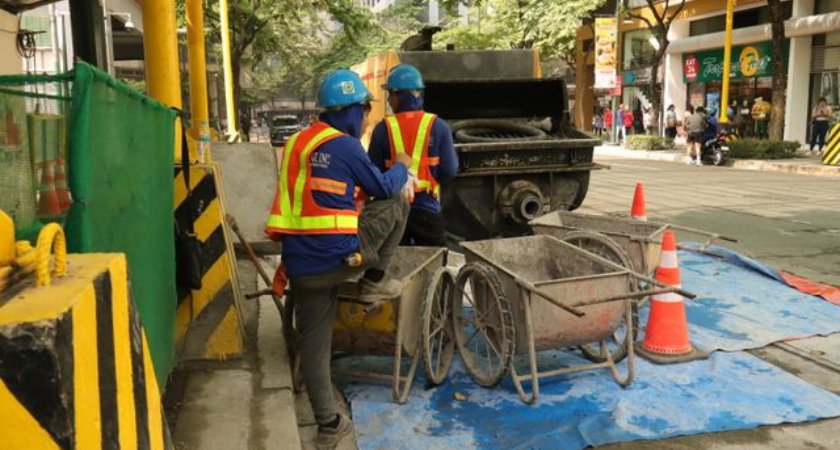
The mobilization phase, which represents the initial stage of construction, includes site preparation activities for projects such as Jordan Road 1 and 2, Elmira, Newark and Camp Smith, among others. Together, these developments will deliver a combined 42.24 megawatts (MW) of solar generation capacity and 21.76 megawatt-hours (MWh) of battery energy storage.
The portfolio includes a mix of rooftop, carport and ground-mounted solar installations, reflecting a diversified approach to renewable energy deployment. Once operational, the projects are expected to generate enough electricity to power approximately 5,280 homes annually.
Several of the developments will function as community solar projects, allowing residents and businesses to benefit from solar energy without installing panels on their own properties. These systems feed electricity directly into the local grid, enabling subscribers to receive credits on their utility bills and reduce overall energy costs.
This model continues to gain traction across New York, which has emerged as a national leader in community solar adoption. The projects also align with the state’s clean energy targets under its climate legislation, further reinforcing the transition toward renewable power sources.
PowerBank’s growing footprint is supported by its track record of delivering more than 100 MW of completed projects and maintaining a development pipeline exceeding 1 gigawatt (GW), positioning the company for continued growth in the sector.
The company is pursuing a flexible strategy for these projects, which may include retaining ownership as independent power producer (IPP) assets, selling them to third parties, or a hybrid approach combining both ownership and engineering, procurement and construction (EPC) services.
However, the projects remain subject to several key risks, including securing financing, obtaining final permits and navigating regulatory requirements. Market conditions such as changes in government incentives, policy frameworks and financing availability could also impact project viability.
Additionally, broader industry challenges—including supply chain disruptions, inflation, tariffs and labor constraints—continue to influence the pace and cost of renewable energy development.
Despite these uncertainties, the projects are expected to play a meaningful role in advancing New York’s clean energy goals. The state currently accounts for a significant share of the United States’ installed community solar capacity, and continued investment is critical to meeting long-term targets.
Community solar remains one of the fastest-growing segments within the renewable energy sector, particularly in states with supportive policy environments. By lowering barriers to entry, these programs enable a wider range of consumers—including renters and small businesses—to participate in the clean energy transition.
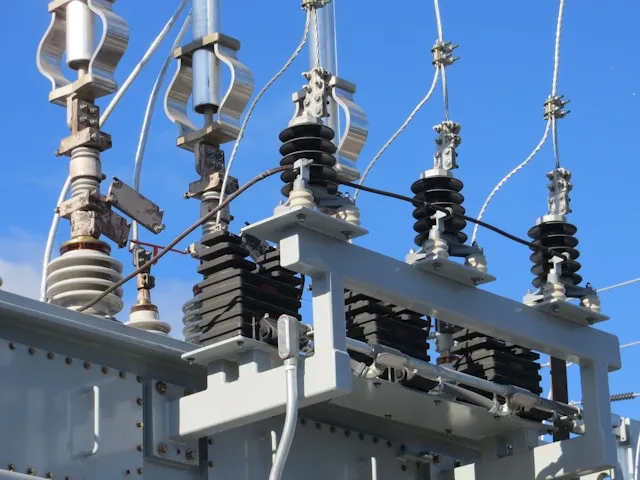
Battery storage integration further enhances the value of these projects by improving grid reliability and enabling better management of energy supply and demand.

For PowerBank, the current mobilization signals not only project execution but also strategic positioning within a competitive and rapidly evolving energy market.
As construction progresses, the successful completion of these projects will strengthen PowerBank’s presence in New York and contribute to broader decarbonization efforts.
While risks remain, the combination of solar generation and energy storage is expected to play a central role in shaping the future of energy infrastructure across North America.
Originally reported by PowerBank Corporation in PR News Wire.



.png)