.webp)
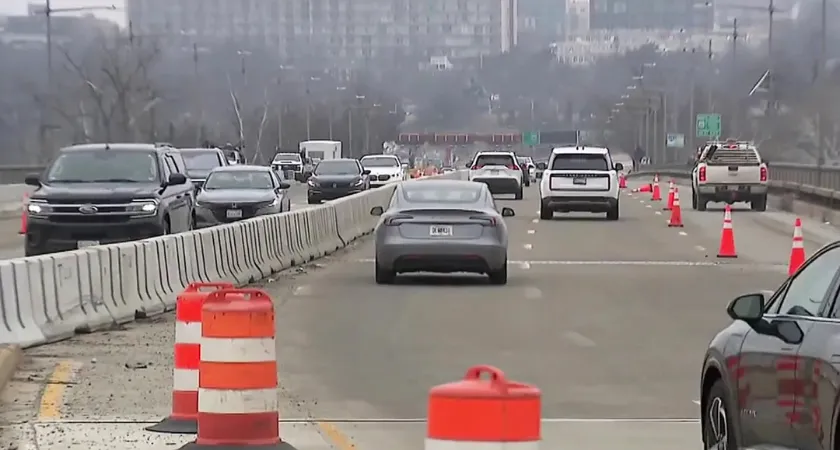
Major traffic restrictions are now in place on the Theodore Roosevelt Bridge, reducing capacity for thousands of daily commuters traveling between Arlington and Washington.
The bridge, which carries Interstate 66 across the Potomac River, has shifted from three lanes in each direction to just two. In addition, the key Route 50 ramp from the Rosslyn area to the bridge is now closed. Transportation officials say these restrictions will remain in place through June.
Tuesday marked the first full commuting day under the new traffic pattern, and early signs point to mounting congestion, particularly during rush hours.
When traffic volume is compressed from three lanes to two, bottlenecks are almost inevitable. Delays have already begun building during peak morning and evening commutes, with some drivers opting to avoid the bridge altogether.
Nearby crossings, including the Key Bridge and Memorial Bridge, are seeing increased traffic as motorists search for alternate routes. The closure of the Route 50 ramp on the Virginia side has further complicated access, especially for commuters traveling from the Rosslyn corridor.
Transportation planners are urging drivers to allow extra travel time, remain alert in merging areas and consider staggered work hours or public transportation where possible.
The District Department of Transportation previously classified the bridge as being in poor condition. The structure, which handles nearly 100,000 vehicles daily, has shown visible wear and aging infrastructure concerns.
Inspections revealed exposed steel dating back about 60 years, standing water and mud accumulation, as well as deteriorating pipes. Officials say these issues underscore the urgency of the rehabilitation effort.
The total cost of repairs is projected at approximately $130 million. While lane reductions will last through June, the broader construction project is expected to continue for at least another two years.
Once completed, the improvements are expected to extend the bridge’s lifespan by 20 to 30 years, strengthening a critical transportation artery in the D.C. region.
.webp)
Infrastructure experts note that aging bridges across the country are increasingly requiring large-scale rehabilitation, particularly those built during the mid-20th century. The Theodore Roosevelt Bridge, a vital commuter and freight corridor, is part of a broader regional effort to modernize transportation systems while maintaining traffic flow.
For now, commuters should prepare for continued congestion and shifting traffic patterns. Officials emphasize that while the short-term inconvenience may be frustrating, the long-term goal is to ensure the bridge remains safe and structurally sound for decades to come.
Originally reported by Adam Tuss in NBC Washington.