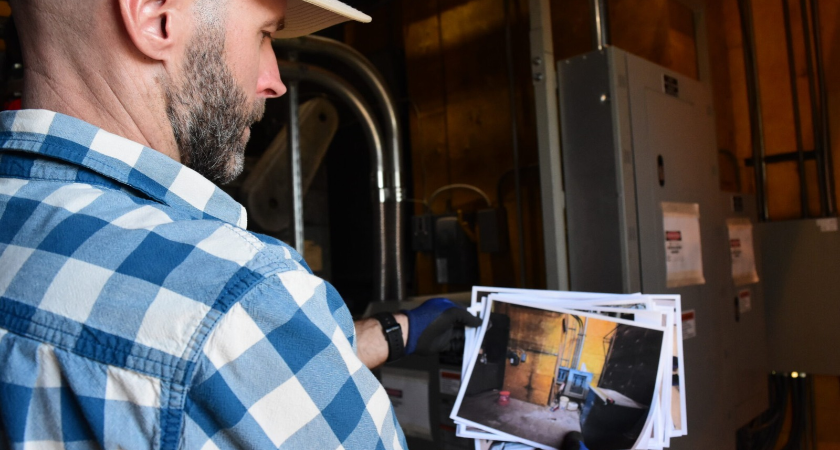
Developing skilled professionals for engineering and project delivery requires more than short-term workplace exposure. Samuel Engineering's Samuel Academy Apprenticeship Program (SAAP) is designed to give students and emerging professionals practical experience, industry mentorship and opportunities to contribute to real projects.
The programme aims to establish a longer-term career pathway rather than operate as a conventional internship. Participants work alongside experienced professionals, gain exposure to multiple disciplines and develop technical and professional skills while learning how engineering and consulting projects are delivered.
The company describes its objective as helping apprentices build careers within the organisation beyond their initial summer experience.
SAAP is organised into three stages, beginning with a summer programme that introduces participants to Samuel Engineering's projects, departments and working environment.
During this stage, apprentices contribute to project teams, develop foundational skills and gain exposure to different engineering and business functions. Participants also receive opportunities to learn from experienced professionals.
The second stage focuses on continued development and potential full-time employment. Apprentices entering their senior year can access flexible opportunities to balance academic commitments with additional training and project experience. Graduates who successfully complete the programme may move into full-time positions while continuing to receive professional development support.
The final career-track stage emphasises long-term growth and leadership. Full-time team members can mentor incoming apprentices, support training activities and work with company leadership on individual career development plans.
The apprenticeship programme covers a range of functions supporting Samuel Engineering's multidisciplinary project delivery activities.
Available career paths include engineering, design and drafting, project controls, business development, marketing, procurement, accounting and administration. This structure gives participants opportunities to explore different professional interests and identify where their skills can contribute to project and business operations.
The programme also places emphasis on mentorship and practical learning. Participants are encouraged to build relationships with experienced colleagues, contribute to team activities and develop both technical knowledge and workplace skills.
Samuel Engineering's apprenticeship initiative reflects an approach to workforce development that connects education, practical project experience and career progression. By combining flexible opportunities for students with potential full-time roles and continuing mentorship, the programme is intended to support talent development across several business functions.
For engineering and construction-related organisations, structured early-career programmes can help build a pipeline of professionals familiar with project delivery processes and multidisciplinary collaboration. Samuel Engineering's model places that development within a longer-term career framework, with opportunities for participants to progress into mentoring and leadership responsibilities.
The company invites students and recent graduates interested in engineering, design, consulting and related business functions to explore its apprenticeship and internship opportunities.
Source: Samuel Engineering.