Historic preservation and adaptive reuse projects continue generating construction activity across higher education campuses as universities modernize aging facilities while maintaining architecturally significant structures.
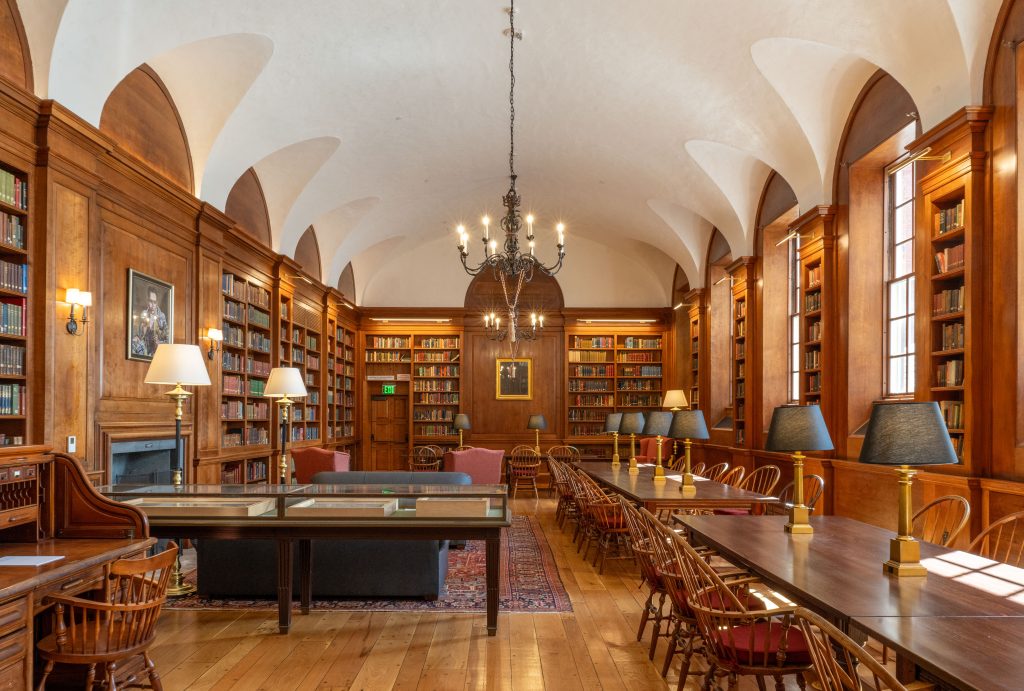
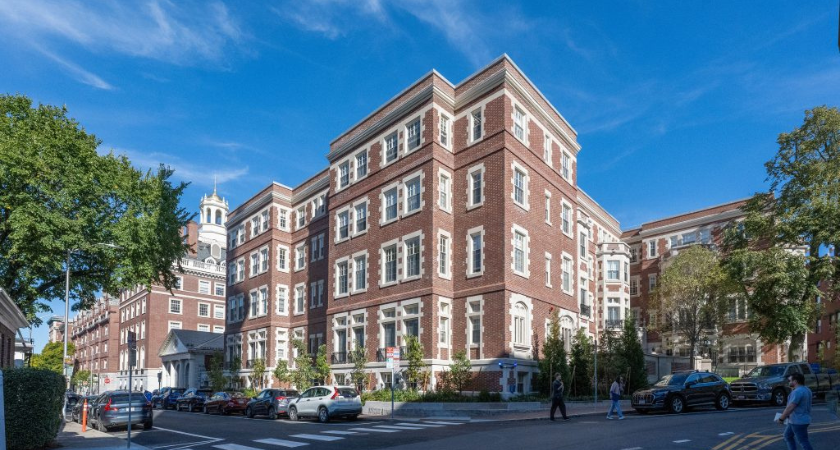
The renewal of Harvard University’s Adams House recently earned two preservation honors recognizing the rehabilitation and modernization of the historic residential complex in Cambridge, Massachusetts. The project received the 2026 Paul & Niki Tsongas Award from Preservation Massachusetts and a 2026 Cambridge Preservation Award from the Cambridge Historical Commission.
Shawmut Design and Construction completed the work in partnership with Harvard University and architect Beyer Blinder Belle.
The Adams House project involved restoration and renewal work across Russell Hall, the Library Commons Building and Westmorly Court, all part of Harvard University’s residential housing system.
Construction activities included masonry restoration, repointing, slate roof replacement, chimney reconstruction and restoration of exterior wood components. The project team also repaired and upgraded historic window systems while integrating new high-performance glazing assemblies designed to align with existing architectural profiles.
At Westmorly Court, historic leaded-glass components were incorporated into new insulated window systems to preserve the original appearance while improving energy performance.
Interior work focused on updating residential areas to support current building code requirements, accessibility standards and student housing needs while maintaining historically significant interior spaces.
The project also included integration of new mechanical, electrical, plumbing and life safety systems within the historic structures. Circulation and accessibility upgrades were incorporated as part of the broader modernization effort.
Adams House, originally established in 1930 through the adaptive reuse of several nineteenth-century apartment buildings near Harvard Square, is recognized for its mix of Colonial, Romantic Revival and Neo-Georgian architectural styles.
Universities across the Northeast continue investing in preservation-focused renovation programs as institutions seek to extend the life of historic campus buildings while improving operational performance and occupant experience.
Higher education renewal projects often require coordination between preservation standards, modern building systems and occupied-campus construction logistics. Contractors and construction managers working in this sector increasingly balance sustainability objectives with long-term preservation requirements.
For owners, developers and contractors, historic campus renewal projects require specialized expertise in restoration, adaptive reuse and systems integration within occupied institutional environments.
The Adams House project demonstrates continued demand for preservation-focused construction programs that modernize academic and residential facilities while maintaining historic architectural character and supporting long-term campus planning objectives.
Source: Shawmut.