Federal agencies continue to invest in modernization of civic, defense, research and transportation infrastructure as long-term facility resilience and mission readiness remain central priorities across multiple sectors. Engineering and construction firms with longstanding federal experience are increasingly positioning historical project portfolios alongside ongoing infrastructure delivery capabilities.
.webp)
STV recently highlighted its historical involvement in federal infrastructure programs spanning civic landmarks, scientific research facilities, military campuses and aerospace projects across the United States.
STV cited work performed by predecessor firms on several prominent civic and institutional projects in Washington, D.C., including engineering contributions tied to the Thomas Jefferson Memorial and restoration activities at the U.S. Capitol Dome.
The company also referenced involvement in projects associated with the Library of Congress Annex, the Smithsonian Institution’s Freer Gallery of Art and Constitution Hall.
These projects required coordination between engineering, preservation and architectural teams to support modernization and structural work within historically significant facilities.
STV also highlighted historical work supporting federal aerospace and research infrastructure programs.
The portfolio includes project involvement at Kennedy Space Center, including facilities associated with NASA’s Vehicle Assembly Building and Orbiter Processing Facility. The company noted those facilities supported launch preparation and maintenance operations tied to the Space Shuttle program.
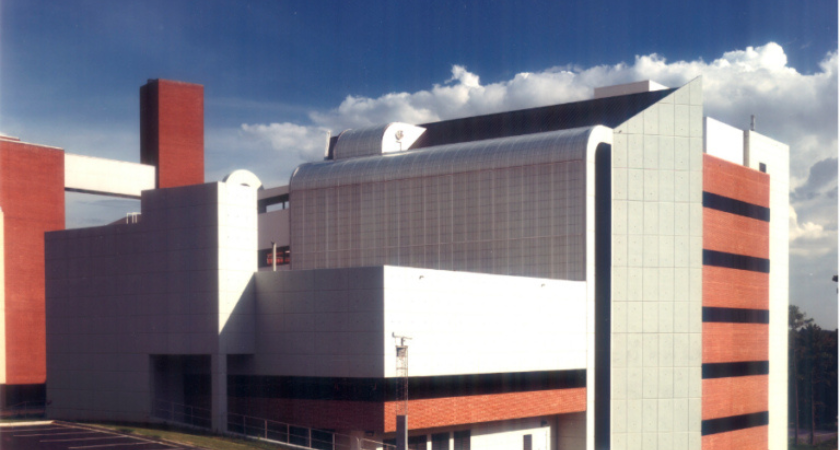
In the public health sector, STV referenced laboratory design work completed for the Centers for Disease Control and Prevention during the early stages of the AIDS epidemic. The project involved development of a high-containment research laboratory in Atlanta.
The company additionally pointed to modernization and expansion projects at the U.S. Military Academy at West Point, including academic facilities and cadet infrastructure.
Federal research infrastructure highlighted by STV included work for the U.S. Department of Agriculture and other government research organizations.
Projects referenced by the company include biosafety and agricultural research facilities in Ames, Iowa, as well as modernization efforts at the Beltsville Agricultural Research Center.
High-containment laboratories, engineering testing environments and federal research campuses continue to represent specialized segments of the institutional construction market requiring advanced mechanical systems, biosafety controls and mission-specific design coordination.
For construction owners and federal contractors, long-term infrastructure modernization remains a significant source of project activity across defense, healthcare, aerospace and research sectors.
The range of projects highlighted by STV reflects continued demand for firms with experience in complex institutional delivery, historic preservation coordination and specialized federal facility requirements. As federal agencies continue upgrading aging infrastructure assets, contractors with expertise in secure facilities, laboratories and mission-critical systems are expected to remain active participants in public-sector construction programs.
Source: STV.