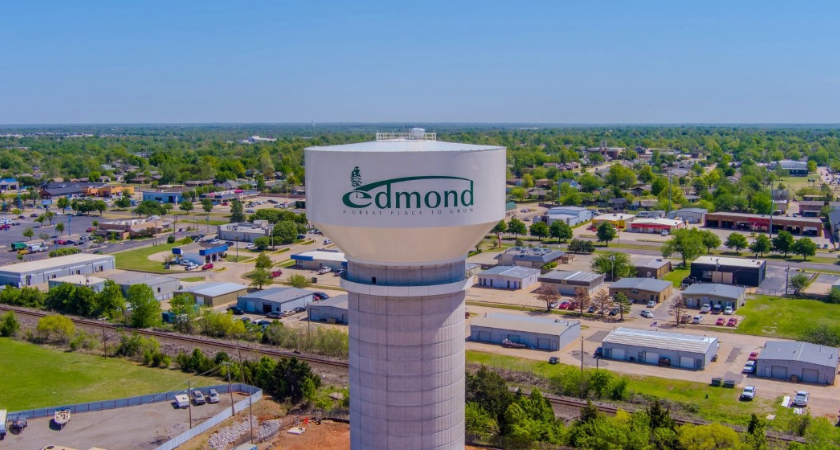
A major water infrastructure initiative in Edmond, Oklahoma, will target aging lead service lines serving nearly 100,000 residents, with STV selected to lead planning, program management and public engagement over a three-year period beginning in 2026.
The program will cover approximately 40,000 water supply connections as the city works to advance lead pipe replacements under the U.S. Environmental Protection Agency’s 2024 Lead and Copper Rule Improvements (LCRI). STV will work with Carollo Engineers on replacement planning, sampling updates and community education.
The initiative builds on Edmond’s service line inventory completed in October 2024. STV will use geographic information system mapping and predictive modeling to identify areas for prioritized replacement.
The planning process will consider factors including pipe age, material type, neighborhood characteristics and historical water quality information. These tools will help establish replacement priorities while coordinating work across the city’s water service area.
Updated sampling procedures will strengthen monitoring at locations serving vulnerable populations. Edmond’s service area includes more than 80 childcare facilities and 27 schools, requiring additional attention to water quality monitoring at schools, childcare locations and residential properties.
The replacement strategy will also account for historic neighborhoods and underserved areas, with the goal of limiting disruption as construction activities move forward.
Public communication will be a major component of the program. STV will coordinate outreach with affected households, schools and childcare facilities while providing updates on service line inventories and replacement schedules.
Residents are expected to have access to multilingual information, neighborhood workshops and a digital platform providing updates on program progress.
The work will support Edmond’s preparation of a lead service line replacement plan targeted for submission by 2027. Under the LCRI framework described in the announcement, communities must begin replacing qualifying lead service lines by 2027 and complete removals by December 2037.
Funding for the initiative will include federal support provided through the Infrastructure Investment and Jobs Act, along with allocations from Oklahoma’s Drinking Water State Revolving Fund.
The Edmond program represents a significant water infrastructure effort focused on replacing aging service connections while strengthening water quality monitoring and community communication.
For construction and infrastructure stakeholders, the project highlights the role of data-driven asset management, regulatory planning and public engagement in large-scale utility replacement programs. The combination of GIS analysis, predictive modeling and phased replacement planning will help establish priorities across thousands of individual water connections while maintaining service to residents and community facilities.
Source: STV.