Public transportation agencies are investing in lower-emission vehicles to modernize aging fleets, improve service reliability and support regional sustainability goals. Westchester County, New York, has begun receiving new hybrid-electric buses as part of its ongoing transit modernization program, with STV providing technical and program management support.
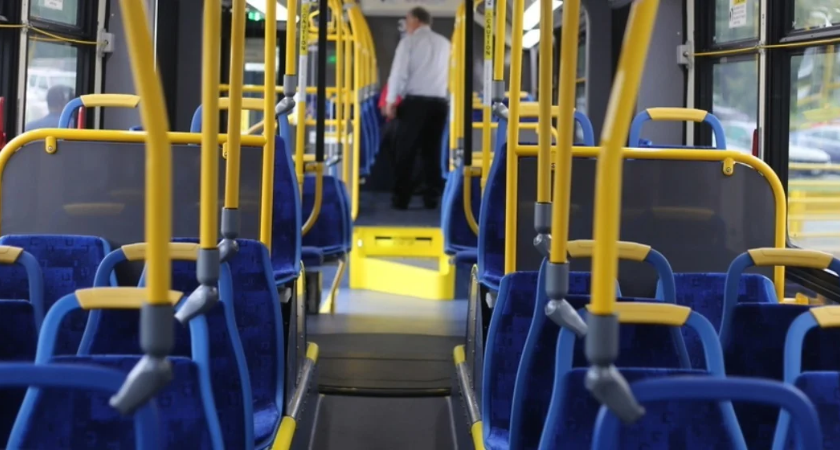
The first New Flyer XDE35 and XDE40 hybrid-electric buses were introduced through a collaboration involving Westchester County, Liberty Lines Transit and STV.
The new vehicles are intended to replace older buses while improving passenger accessibility, comfort and service reliability. The procurement also supports the county's broader efforts to reduce emissions from public transportation.
STV has supported Westchester County's fleet modernization program through an ongoing program management contract dating to 2022.
The scope includes developing vehicle specifications, preparing procurement documentation, supporting the competitive bidding process and overseeing manufacturing and delivery activities.
During the 2022 and 2023 procurement cycles, STV assisted the county in procuring 106 hybrid-electric buses. The latest order extends that investment and moves the program into additional manufacturing and delivery stages.
STV's responsibilities continue through factory inspections, vehicle acceptance testing and warranty support. These activities are intended to ensure that procured vehicles meet technical and operational requirements before entering service.
Production of additional buses is expected to increase in the coming months. The broader program aims to replace approximately one-third of the county's existing fleet with cleaner and more efficient vehicles.
The new hybrid-electric buses will complement Westchester County's expanding battery-electric fleet. Together, these investments are intended to move the transit system toward a fleet consisting almost entirely of hybrid-electric and battery-electric vehicles.
The county's fleet modernization efforts have also received recognition from the New York League of Conservation Voters for investments in cleaner transportation technologies.
The initiative connects vehicle procurement with wider regional priorities involving emissions reduction, transit reliability and public mobility.
Transit fleet replacement programs involve more than purchasing new vehicles. Specifications, procurement processes, manufacturing oversight, inspections and acceptance testing all influence whether agencies receive vehicles that meet operational requirements.
Westchester County's program illustrates how technical consultants and program managers can support public transportation agencies through multiple stages of fleet modernization while advancing lower-emission transit investments.
Source: STV.