Design-build construction places design and construction responsibilities under a single contract, enabling project teams to coordinate decisions earlier in the delivery process. As owners pursue more integrated project approaches, developing professionals who can manage cross-disciplinary relationships has become an important industry consideration.
Sundt Construction is emphasising mentorship and practical experience to prepare emerging professionals for the collaborative demands of design-build projects. The approach focuses on stakeholder alignment, open communication and evaluating decisions against overall project objectives rather than treating individual issues in isolation.
Design-build teams bring together owners, architects, estimators, builders and other project participants, each with distinct priorities. Project leaders must identify essential requirements, understand competing interests and negotiate trade-offs that support the project's broader objectives.
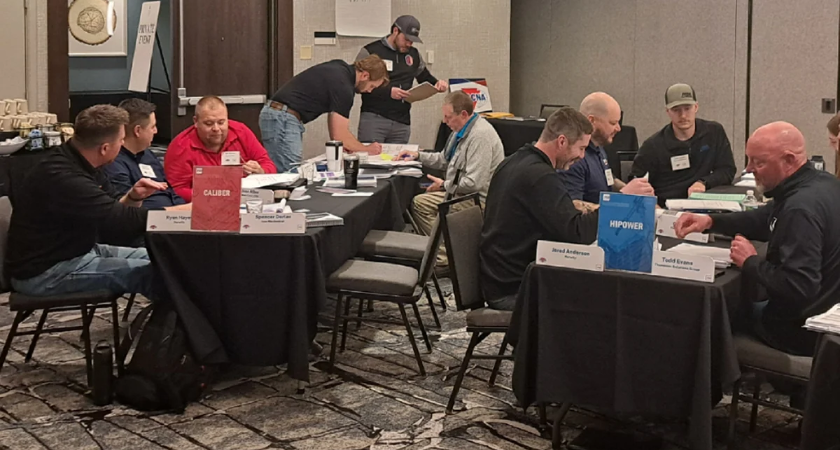
Training in design-build fundamentals provides a starting point, but practical experience also helps professionals develop the communication and decision-making skills needed to manage complex project relationships.
The Design-Build Institute of America offers foundational training through its boot camp programme. On-the-job guidance and discussions about project challenges can complement formal instruction by showing developing professionals how collaborative decisions work in practice.
An example from Sundt's work on the Ernest E. Tschannen Science Complex at California State University, Sacramento, illustrates the distinction between traditional and integrated project delivery approaches.
During the project, a project manager transitioning from design-bid-build initially handled relatively minor issues through separate change orders. Collaborative discussions helped redirect the approach toward evaluating changes in relation to the overall scope and identifying solutions among project partners.
The experience demonstrated how early communication can help teams address disagreements before they affect working relationships. It also highlighted the importance of considering cost and scope across the wider project rather than assessing each change independently.
For construction owners and contractors, design-build performance depends on more than contract structure. Project teams also need personnel who can coordinate disciplines, resolve competing priorities and maintain productive relationships throughout delivery.
Sundt's emphasis on mentorship highlights the role experienced leaders can play in developing those capabilities. Giving early-career professionals opportunities to participate in collaborative decision-making can help prepare them for the coordination and leadership responsibilities associated with increasingly complex construction projects.
Source: Sundt.