Sustainability requirements are becoming more detailed across construction projects, increasing the need for contractors to manage certification requirements, material impacts and emissions data during project delivery. Swinerton is responding by expanding internal sustainability resources and integrating project-level analysis into construction planning.
The approach combines training for project teams, collaboration with trade partners and owners, and data collection intended to identify opportunities for reducing environmental impacts.
Swinerton's sustainability program includes workshops and technical support designed to help project executives, engineers and other team members understand sustainability requirements and apply them during construction.
The contractor's national sustainability resources assist local teams with requirements associated with programs such as LEED and ILFI Net Zero Carbon. Swinerton has also added a project sustainability management role focused on helping building teams address project-specific requirements and coordinate with owners, consultants and trade partners.
The approach was used on the UCSF Health Peninsula Outpatient Center in San Francisco, which is targeting LEED Gold certification. The project team reviewed certification credits and identified additional opportunities that could strengthen its path toward the targeted rating.
Swinerton is also developing a broader understanding of its environmental footprint. In 2025, the contractor completed an initial greenhouse gas accounting baseline covering direct and indirect emissions.
The company has begun tracking relevant value-chain impacts and plans to publish its first comprehensive accounting of those impacts in 2027, including emissions associated with subcontractors and the supply chain.
Swinerton also participates in industry organizations focused on climate and sustainable construction, including the Associated General Contractors of America Climate Change Working Group, the Sustainable Construction Leaders Group and the Carbon Leadership Forum.
Swinerton is working with T-Mobile to analyze embodied carbon associated with construction materials and processes. The collaboration involves a retrospective review of two Swinerton-built projects to identify how material sourcing, quantities and product selections affected overall project emissions.
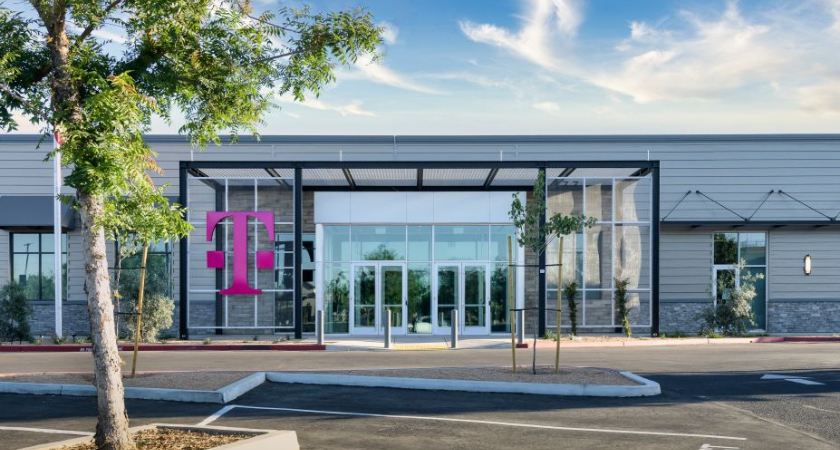
One analysis of the T-Mobile Kingsburg Call Center found that finishes, including flooring, represented about half of the project's embodied carbon. The teams are using the findings to examine high-impact material categories and evaluate potential alternatives for future projects.
For construction owners and contractors, project-level sustainability data can provide a basis for evaluating material choices and construction processes against environmental targets. Swinerton's approach combines workforce training, certification support and emissions accounting with project-specific analysis, giving project teams additional information for sustainability decisions during construction planning and delivery.
Source: Swinerton.