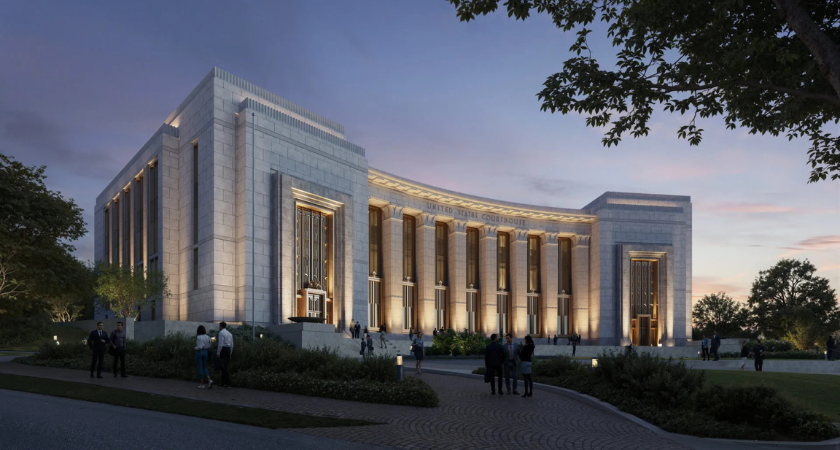
Texas A&M University is pushing ahead with plans for a major new biology research facility, underscoring the institution’s continued expansion and growing investment in life sciences.
.webp)
The $165 million project, to be built on the university’s College Station campus, is designed to meet rising demand for both academic instruction and advanced scientific research.
Global construction firm Skanska has been selected to deliver the project, marking a key milestone as the university advances its long-term infrastructure strategy.
University officials say the biology program has rapidly expanded in recent years, becoming one of the largest and fastest-growing disciplines on campus. The new facility is intended to support that growth while modernizing teaching and research environments.
"This state-of-the-art building will have a transformational impact on research and education for the Department of Biology and continue the tremendous upward trajectory of the program," Simon North, Interim Dean of the College of Arts and Sciences and the John W. Bevan Professor of Chemistry, said in the initial announcement.
The building will serve both undergraduate and graduate students, offering space for instruction, laboratory research, and collaboration. It is expected to play a central role in advancing scientific innovation at the university.
Although the project has been in planning for years, its timeline has shifted. Earlier estimates placed construction at 2026 with a higher projected cost of $220 million. Updated plans now set groundbreaking for Spring 2027, with completion anticipated in Spring 2029.
"This was 30 years in the making," Dr. Alex Keene, biology professor and department head, who is co-leading the project, added. "The building is being designed to be the heart of life sciences at Texas A&M—a one-of-a-kind facility that integrates research and teaching in ways few universities can match."
The revised schedule reflects both planning refinements and broader construction market conditions, including cost adjustments and coordination with other campus projects.
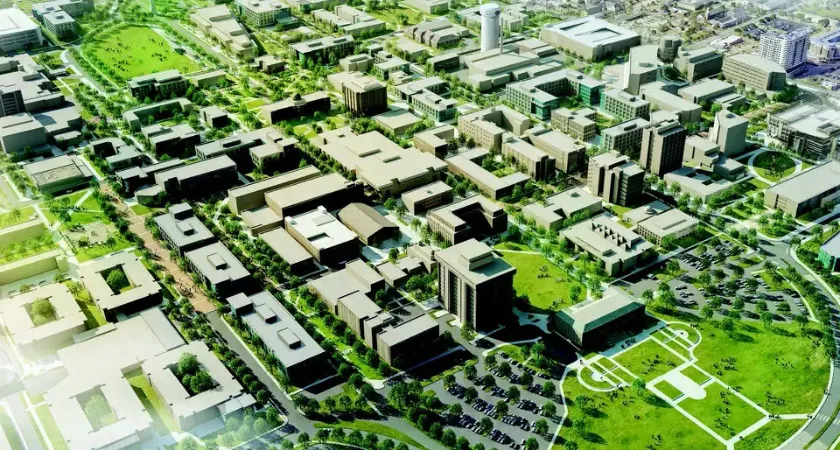
The biology building is part of a wider wave of development across Texas A&M, as the university continues to expand its academic footprint and research capabilities.
Recent initiatives include plans for a new space institute focused on aerospace and defense research, signaling a strategic push into emerging and high-demand fields.
At the same time, growth is extending beyond campus boundaries. The surrounding College Station area is experiencing increased development activity, including new housing, research facilities, and commercial projects tied to the university’s expansion.
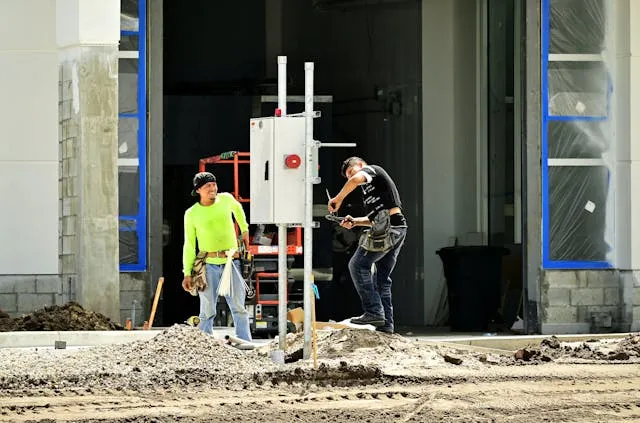
Large-scale academic construction projects like this reflect a national trend among major research universities investing heavily in STEM infrastructure. As student enrollment rises and competition for research funding intensifies, institutions are prioritizing facilities that integrate teaching, innovation, and industry collaboration.
The selection of a global contractor like Skanska also highlights the increasing complexity of modern university projects, which often require advanced design, sustainability integration, and flexible lab environments to support evolving research needs.
Once completed, the biology building is expected to significantly enhance Texas A&M’s ability to attract top-tier faculty, researchers, and students, further strengthening its position as a leading research institution in the United States.
Originally reported by Texas A&M University in Chron.



.png)