A fatal incident at a North Texas infrastructure project is drawing renewed attention to excavation safety and contractor risk management as municipalities continue expanding utility and roadway upgrades.

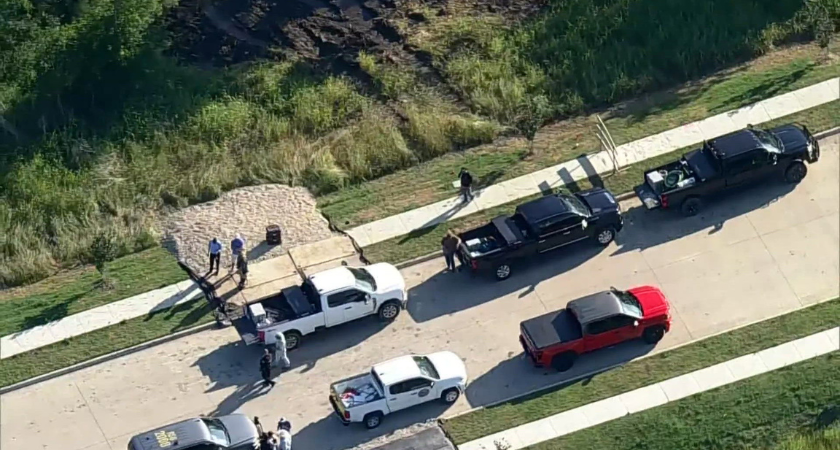
Emergency responders in McLendon-Chisholm, Texas, confirmed that a worker died Monday during construction activity connected to the Edwards Road improvement project. Local officials said the worker was part of a utility contracting crew performing sewer installation operations in the Sanoma Verde area.
Authorities identified the deceased worker as 52-year-old William Werner of Kaufman, Texas. According to preliminary information released by local officials, Werner was found unresponsive after reportedly being run over by an excavator operating at the site.
The incident prompted a joint response involving McLendon-Chisholm Fire-Rescue and the Rockwall County Sheriff’s Office. Investigators continue to review the circumstances surrounding the accident while the Dallas County Medical Examiner’s Office determines the official cause and manner of death.
Federal workplace safety regulators have also been notified. The Occupational Safety and Health Administration is expected to review whether excavation procedures, equipment operation protocols and site safety controls complied with applicable standards.
The Edwards Road project is part of a broader municipal infrastructure initiative intended to reconstruct approximately 1.17 miles of roadway while supporting underground utility improvements in the growing Rockwall County area. Public infrastructure work involving trenching, sewer installation and heavy machinery remains one of the more hazardous segments of the construction industry due to equipment blind spots, confined work areas and worker proximity to moving machinery.
Construction safety experts have increasingly emphasized the importance of spotter programs, equipment exclusion zones and operator visibility technologies as contractors face rising pressure to accelerate infrastructure schedules. Municipal utility projects frequently involve multiple subcontractors operating simultaneously within constrained corridors, increasing coordination and communication demands on site supervisors and project managers.
The fatality also arrives as contractors nationwide continue grappling with workforce shortages and an influx of less-experienced labor entering physically demanding infrastructure sectors. Industry groups have warned that rapid project expansion tied to public works investment may heighten safety challenges unless training and field oversight keep pace with workload demands.
For construction owners and developers, the incident serves as another reminder of the financial and operational consequences associated with serious jobsite accidents. Fatal workplace events can trigger project delays, regulatory scrutiny, insurance impacts and reputational risks for contractors and public agencies overseeing capital improvement programs.
Industry stakeholders are likely to monitor the findings of the investigation closely as agencies determine whether additional safety measures or procedural changes may be warranted for excavation and utility construction operations.
Original Source: Paul Wedding, Jacob Vaughn in WFAA.