Rising demand for artificial intelligence infrastructure and high-density computing is increasing the need for advanced cooling technologies in data center construction. To strengthen its thermal management capabilities, Vertiv has completed the acquisition of ThermoKey S.p.A., a provider of heat rejection and heat-exchange systems for critical infrastructure applications.
.jpg)
The acquisition adds manufacturing and engineering capabilities to Vertiv's operations in Europe, the Middle East and Africa and broadens its portfolio of cooling technologies used in high-performance data center environments.
ThermoKey develops heat-exchange technologies used by original equipment manufacturers and system integrators. Its product lineup includes heat rejection systems, dry coolers and technologies designed to operate with low-global-warming-potential and natural refrigerants.
Vertiv already incorporates some of ThermoKey's technologies into select cooling products. The acquisition is expected to enhance Vertiv's ability to provide integrated thermal management systems that support increasingly dense computing environments and large-scale AI facilities.
Founded in 1991, ThermoKey brings more than three decades of engineering experience and maintains in-house design and manufacturing capabilities.
ThermoKey's facility in Rivarotta, Italy, will remain a key center for manufacturing, engineering and customer support activities. Giuseppe Visentini will continue leading the ThermoKey business following the transaction.
The acquisition also expands Vertiv's production footprint in EMEA at a time when data center developers are seeking scalable cooling solutions capable of supporting higher computing loads and evolving infrastructure requirements.
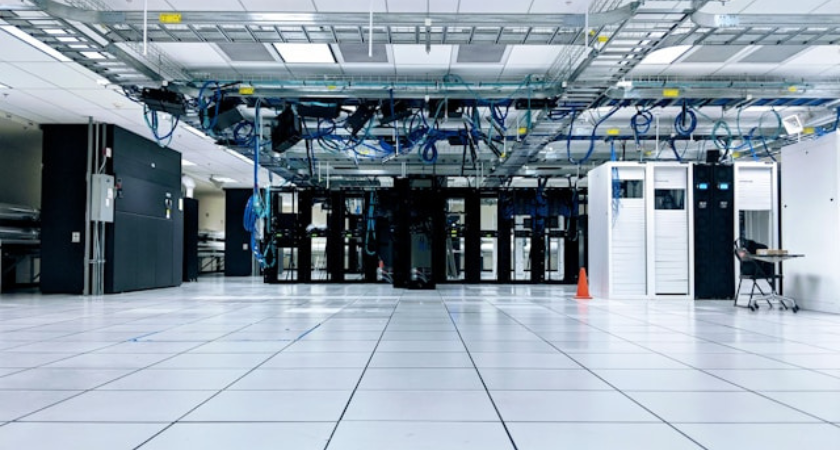
The rapid expansion of AI workloads and high-density computing has increased demand for advanced thermal management systems throughout the data center sector. Owners and developers are investing in cooling technologies that can improve energy efficiency, accommodate greater rack densities and support future computing requirements.
As data center campuses become larger and more complex, integrated cooling systems and heat rejection technologies are becoming increasingly important components of facility design and construction.
For construction owners, developers and design-build teams involved in data center projects, the acquisition highlights the growing importance of thermal infrastructure in AI-driven facilities. Expanded manufacturing capacity and broader cooling technology portfolios may help support the delivery of increasingly sophisticated data centers that require advanced heat management and higher-performance infrastructure systems.
Source: Vertiv.