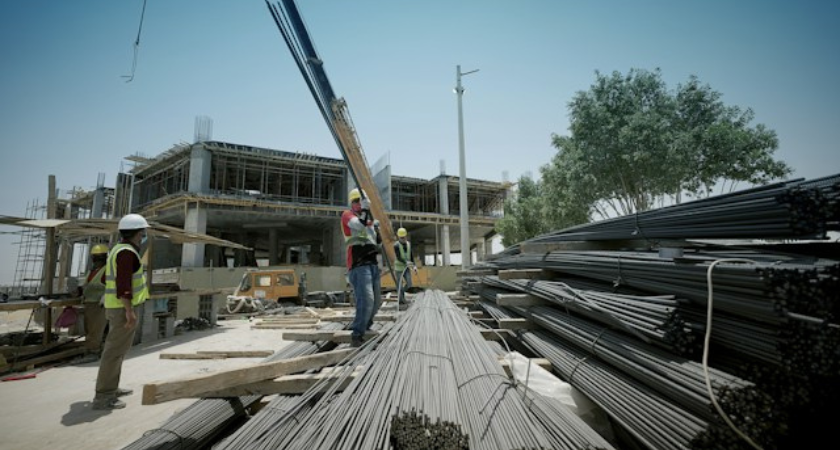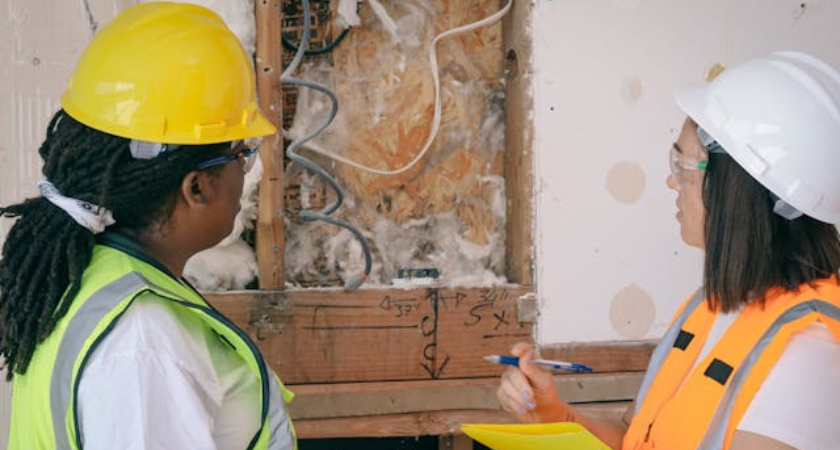
As construction firms continue facing heightened scrutiny around jobsite risk management, workforce safety remains a defining operational priority across the industry. During Construction Safety Week 2026, W.E. O’Neil Construction expanded its national safety engagement efforts through coordinated training activities, leadership outreach and field-level hazard awareness programs spanning multiple regions.
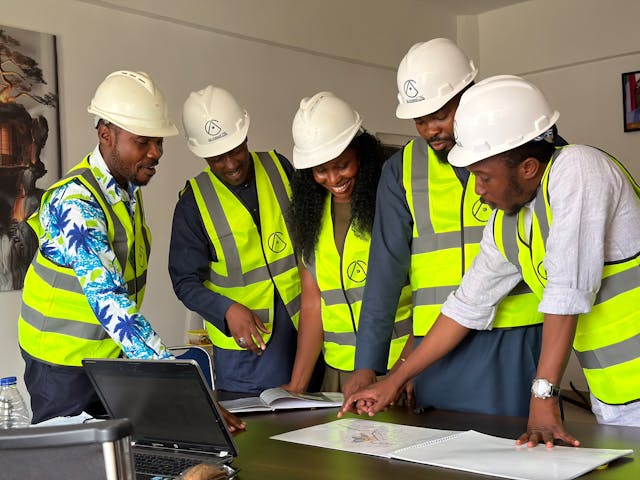
The employee-owned contractor reported participation from more than 4,100 trade partners and employee-owners during this year’s initiative, which centered on the theme “Plan It. Own It. Do It Safely.” Activities were conducted across active jobsites and offices throughout the company’s operating footprint, including projects in Colorado, California, Texas, Arizona, Tennessee and Illinois.
For construction owners and contractors, large-scale safety initiatives increasingly serve as both workforce protection measures and operational risk management strategies. Industry-wide concerns over labor shortages, insurance costs and regulatory compliance have pushed many contractors to invest more heavily in training, hazard prevention and safety culture development.
W.E. O’Neil said this year’s program focused on reinforcing shared accountability for jobsite safety through stand downs, field demonstrations and practical training exercises. Topics addressed during the week included fall prevention, excavation safety, electrical hazards, confined spaces, heat illness prevention, heavy equipment awareness and silica dust exposure.
Company leadership also participated throughout the week, highlighting the growing emphasis contractors are placing on executive involvement in safety culture. Executives and regional leaders shared field insights and operational perspectives intended to strengthen communication between project teams, subcontractors and management.
The company’s safety programming extended across a broad mix of project types, including aviation, higher education, retail, infrastructure, multifamily and municipal construction assignments. Several training exercises were conducted on active projects involving complex logistics and elevated risk conditions, including airport renovations, utility infrastructure work and institutional construction sites.
In parallel with its training efforts, W.E. O’Neil recognized project teams, employees and trade partners through regional safety awards programs. The company honored jobsite teams for strong safety planning and execution while also recognizing subcontractors and field personnel who demonstrated proactive hazard identification and accountability practices.
Safety performance continues to play a growing role in contractor selection and project procurement across both public and private sectors. Owners increasingly evaluate contractors based not only on experience and pricing, but also on safety records, workforce development programs and demonstrated risk mitigation capabilities.
Construction Safety Week has evolved into a broader industry platform for reinforcing standardized best practices and encouraging collaboration between contractors, subcontractors and owners. Many firms now use the initiative to strengthen workforce engagement, improve retention and reduce operational disruptions associated with jobsite incidents.
For contractors operating in labor-constrained markets, maintaining strong safety performance can also provide a competitive advantage in recruitment and workforce stability. Industry leaders have increasingly tied safety culture to productivity, employee retention and long-term project performance.
For construction owners and developers, stronger safety programs are increasingly tied to overall project outcomes. Firms with mature safety cultures often experience fewer disruptions, lower insurance exposure, improved workforce stability, and stronger schedule performance. Safety metrics are also playing a larger role in contractor prequalification and procurement decisions across both public and private sectors.
Large contractors are continuing to invest in safety technology, workforce education, and field coordination as project complexity rises nationwide. Industry leaders say integrated safety planning early in project delivery can help reduce costly delays, improve productivity, and strengthen collaboration among project stakeholders.
W.E. O’Neil said its long-term objective remains advancing toward zero-injury jobsites through continuous improvement, communication and field accountability, reflecting a broader construction industry shift toward proactive safety management rather than compliance-driven enforcement alone.
Source: W.E. O'Neil.