
Small and emerging construction businesses often need to navigate complex requirements before they can compete effectively for subcontracting opportunities. W. M. Jordan Company is addressing that challenge through its Trade Partner Mentorship Program, which provides practical guidance on working with the general contractor and preparing for future projects.
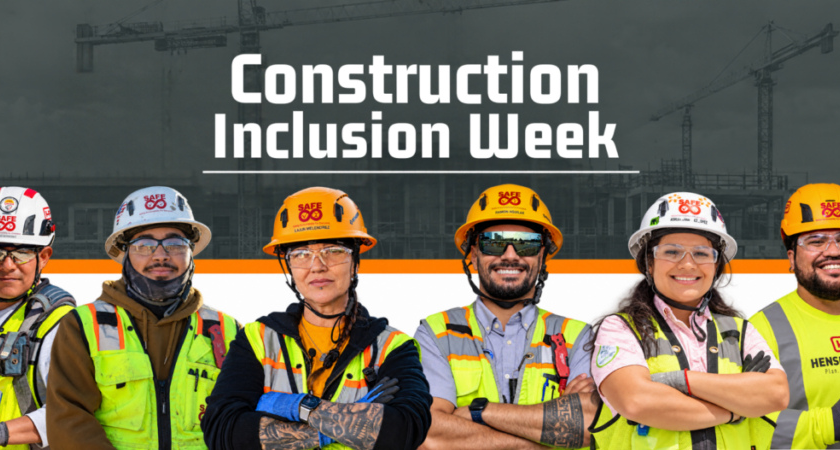
Highlighted on Oct. 12, 2026, the initiative brought together regional trade partners for a day of sessions with department leaders across the business. The program was featured as part of the company's activities for Construction Inclusion Week.
Participants engaged with representatives from marketing, business development, accounting, information technology, operations, safety, human resources and estimating. The sessions were designed to explain internal processes, clarify expectations and help businesses strengthen their readiness to work with a general contractor.
The format gave participating businesses opportunities to ask questions about practical issues affecting their operations and their ability to pursue construction contracts.
The sessions addressed several areas that influence subcontractor performance and qualification.
Accounting leaders discussed the importance of understanding operating costs, insurance obligations and financial management. Estimating representatives covered scope evaluation, proposal completeness and the need to submit clear bids that allow project teams to assess value beyond price alone.
Operations guidance focused on early communication and thorough documentation. Safety representatives emphasised developing consistent safety practices rather than treating safety solely as a compliance requirement.
Technology sessions addressed cybersecurity and digital credibility, while human resources and leadership development discussions covered recruitment, workforce pipelines and aligning business growth with long-term staffing needs.
Marketing and business development leaders also explained how consistent communication, professional visibility and sustained relationship-building can help trade partners develop stronger connections with clients and general contractors.
Together, the sessions addressed both the technical requirements of construction procurement and the business practices that support reliable project delivery.
The mentorship initiative reflects W. M. Jordan's approach to engaging small and emerging businesses through knowledge-sharing and direct access to company personnel. By explaining departmental expectations, the program gives participants a clearer understanding of the processes involved in pursuing and executing construction work.
For trade partners, greater familiarity with bidding requirements, documentation, safety, financial obligations and technology systems can help identify operational gaps before they affect project participation.
For W. M. Jordan, the programme provides a structured opportunity to build relationships with regional businesses and communicate expectations across multiple functions.
General contractors depend on trade partners to deliver specialised work, maintain safety standards and meet project schedules. Supporting smaller businesses with practical guidance can help improve communication and prepare potential subcontractors to navigate procurement and project requirements.
W. M. Jordan's mentorship program illustrates how contractor-led education can strengthen trade partner relationships while helping emerging businesses develop the operational capabilities needed to pursue construction opportunities.
Source: W.M. Jordon.