The Hudson Tunnel Project has reached a major construction milestone with the start of simultaneous excavation for its two new rail tunnel tubes beneath the New Jersey Palisades. The development advances a critical component of the regional rail infrastructure program, which is intended to improve Northeast Corridor capacity and reduce vulnerabilities in the existing rail network.
The second tunnel boring machine began mining the southern tube in November 2026, following the launch of the first machine in October. The first TBM is excavating the northern tube, with approximately 400 feet completed and more than 60 concrete lining rings installed as of the November 20 announcement.
Both single-shield machines are designed for excavation through hard, dry rock. Each features a 28-foot, 8-inch-diameter cutterhead and installs precast concrete segments to create the permanent tunnel lining as work advances.
The machines will excavate the first 5,100 feet of the two rail tunnels, extending from North Bergen to the Hudson County Access Shaft.
The Palisades Tunnel Project also includes six cross passages connecting the two tunnel tubes and construction of a 120-foot-deep Hudson County Access Shaft. The shaft will provide a means to remove the TBMs after excavation is complete.
The Schiavone Lane Dragados JV is delivering the work for the Gateway Development Commission, the bi-state authority responsible for the broader Hudson Tunnel Project. The joint venture comprises SPC Construction Co. LLC, The Lane Construction Corporation and FlatironDragados.
The Palisades section forms part of a larger effort to create a modern rail connection beneath the Hudson River while enabling rehabilitation of the existing tunnel, which entered service in 1910.
The new tunnel infrastructure is intended to improve rail reliability and resilience while expanding capacity along the Northeast Corridor. By adding a second rail tunnel connection, the project will also address a critical single point of failure in the existing network.
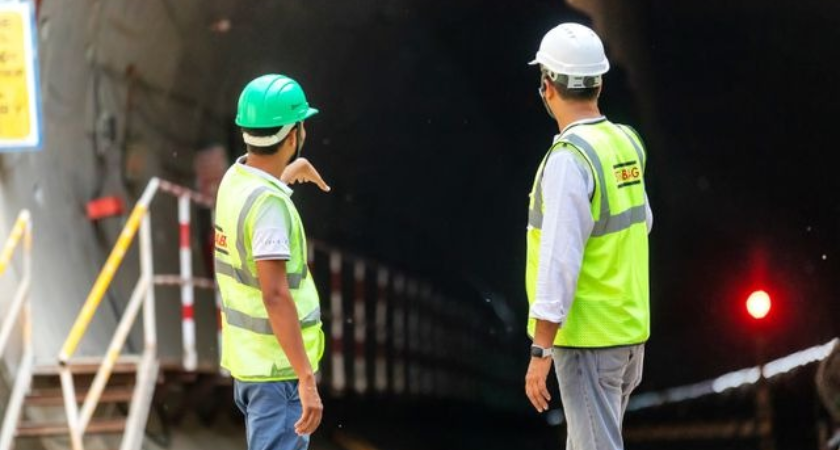
For construction stakeholders, the simultaneous TBM operations represent an important phase in delivering complex underground transportation infrastructure, requiring coordinated excavation, tunnel lining installation and supporting civil works.
Source: Lane.