A massive grid-scale energy storage project is underway in Daly City, signaling continued momentum in California’s push toward renewable energy reliability.

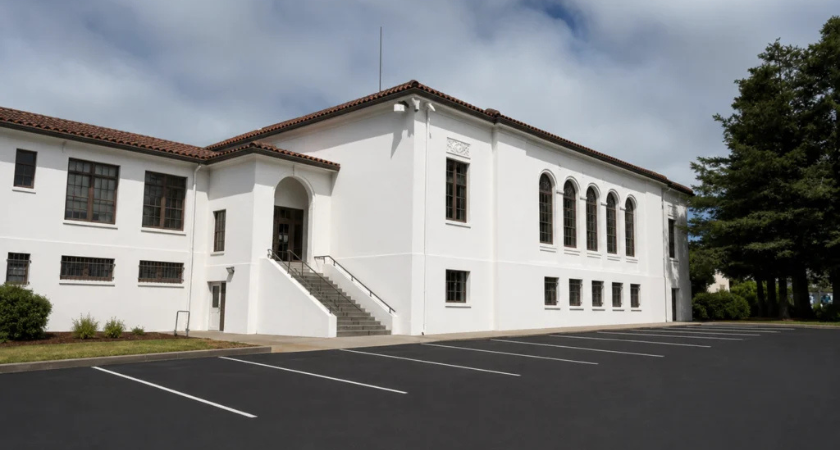
Arevon has begun construction on the Cormorant Energy Storage Project, a 250-megawatt (MW) / 1,000-megawatt-hour (MWh) facility located just south of San Francisco. Once operational in 2027, the $600 million installation will be capable of powering approximately 321,000 homes for up to four hours during periods of peak electricity demand.
The project comes as California continues to expand its renewable energy capacity, particularly solar and wind, which require balancing mechanisms to maintain grid stability.
The battery system will store excess electricity generated during periods of high production — such as sunny or windy conditions — and release it when demand spikes. This ability to shift energy availability in real time is increasingly critical for modern power grids.
The facility will operate under a long-term agreement with MCE, which serves more than 1.8 million residents and businesses across multiple Bay Area counties.
Originally proposed at a smaller scale, the Cormorant project has been significantly expanded to meet growing energy needs.
The system increased from 188 MW / 752 MWh to its current 250 MW / 1,000 MWh capacity, with the additional output already contracted. This expansion reflects the accelerating demand for large-scale battery storage as utilities work to integrate more renewable energy sources.
The facility will utilize lithium iron phosphate (LFP) batteries, a widely adopted chemistry known for its enhanced safety, durability and long lifecycle, making it ideal for grid-scale applications.
Engineering, procurement and construction responsibilities are being handled by Primoris Services Corporation through its renewables division. The construction phase is expected to create approximately 175 jobs, contributing to both the energy and construction sectors.
Beyond energy reliability, the project is expected to deliver meaningful local economic benefits.
Construction activity will support nearby businesses — including hotels, restaurants and service providers — while the facility is projected to generate more than $73 million in property tax revenue over its lifetime. These funds are expected to support schools, infrastructure and public services in the surrounding community.
Additionally, Arevon has invested in local engagement efforts, partnering with regional organizations through donations, sponsorships, scholarships and volunteer programs.
The Cormorant project is part of Arevon’s broader footprint in California’s energy transition.
The company currently operates more than 3.7 gigawatts (GW) of energy projects across the state, representing over $5 billion in capital investment, with an additional 550 MW under construction.
For contractors, developers and infrastructure stakeholders, the project underscores a major shift in construction demand toward energy storage and grid modernization.
Battery storage facilities are emerging as a critical complement to renewable energy development, creating new opportunities in specialized construction, electrical infrastructure and advanced energy systems integration.
As utilities continue to prioritize reliability and decarbonization, projects like Cormorant highlight how large-scale storage is becoming a cornerstone of future energy infrastructure — not just in California, but across the United States.
Originally reported by Michelle Lewis in Electrek.