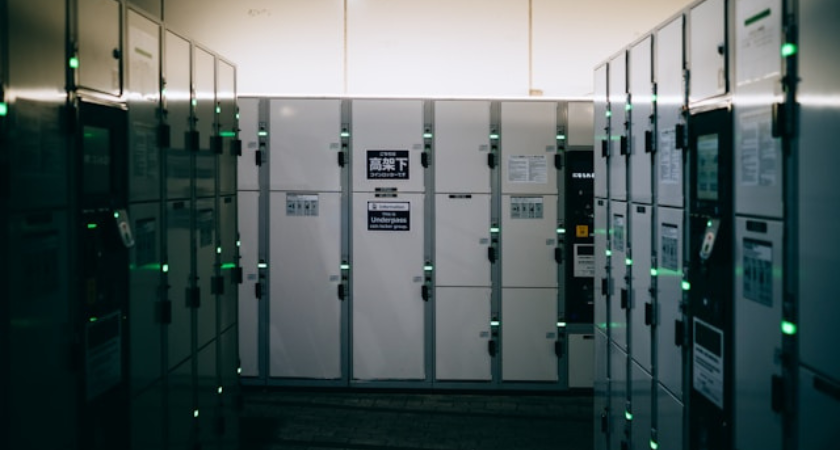
The U.S. construction industry’s AI-driven data center surge may be entering a more politically complex phase as new public opinion data suggests local opposition could become one of the sector’s biggest non-financial obstacles.
.jpg)
Gallup’s March 2026 environmental survey indicates that while artificial intelligence continues to drive billions in planned digital infrastructure investment, most Americans are uncomfortable with large-scale AI data center projects being built near their communities. The poll found nearly half of respondents strongly oppose local AI data center construction, with broader opposition reaching more than seven in 10 adults.
For contractors, developers and construction owners, that sentiment matters because hyperscale campuses increasingly depend on local government approvals, utility coordination and community acceptance long before vertical construction begins. Public resistance can directly influence entitlement schedules, environmental reviews, site design requirements and project carrying costs.
AI data centers are among the fastest-growing segments of nonresidential construction, fueled by demand for cloud computing, machine learning and digital infrastructure. But these projects also bring highly visible local concerns, including land consumption, power loads, water use for cooling systems, transmission upgrades and emissions tied to electricity generation.
Gallup’s findings suggest those environmental concerns are not marginal. Nearly half of Americans said they worry “a great deal” about AI data centers’ environmental effects, signaling that future project sponsors may need more aggressive public engagement strategies and stronger sustainability positioning to secure approvals.
This shift could reshape how owners approach site selection. Regions with streamlined industrial zoning, existing grid capacity and politically favorable development climates may become increasingly valuable compared with jurisdictions where public hearings or environmental litigation create delays.
The data also raises broader infrastructure questions for construction leaders. AI facilities require extraordinary energy resources, yet communities may also oppose the generation assets — including power plants, substations and transmission corridors — needed to support them. That creates a layered challenge for developers balancing speed-to-market with social license to build.
For the construction sector, this may mark the next evolution of the data center boom: not just building faster, but building smarter around public acceptance, infrastructure transparency and environmental mitigation.
Click here to download the report
AI data centers remain a powerful construction growth engine, but local opposition could materially affect project execution. Owners and developers may need to expand preconstruction strategy beyond land acquisition and utility access to include political feasibility, environmental communication and community benefit planning. In practical terms, future competitive advantage may depend as much on entitlement and stakeholder strategy as on design, cost control or speed.
Originally reported by Gallup News.