As labor constraints continue to pressure construction schedules and specialty contractors across the Southeast, McKenney’s is positioning workforce development as a core business strategy through its long-running co-op program.
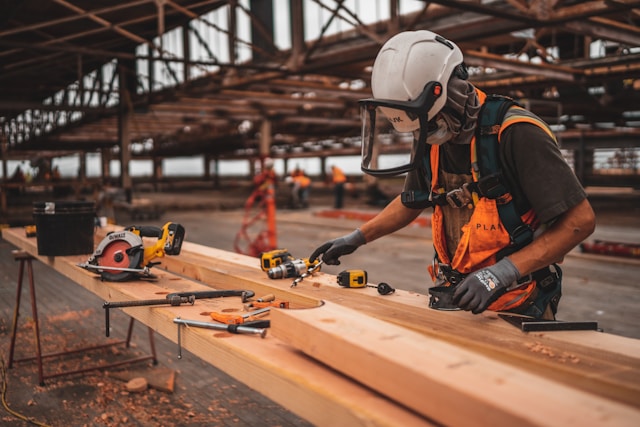
The Atlanta-based mechanical contractor, which has partnered with regional co-op education programs for roughly four decades, is using its student recruitment platform not simply as an internship track but as an operational pipeline designed to identify and develop future project leaders. The initiative requires participants to complete three full-time alternating co-op rotations prior to graduation, blending classroom education with field, engineering and professional development exposure.
For construction firms facing persistent shortages in technical labor, project management talent and specialized systems expertise, this type of structured co-op model represents a more deliberate approach to succession planning than traditional seasonal internships.
McKenney’s program focuses on preparing students through direct project exposure, including real-world facility construction experience, skill development beyond classroom instruction, industry networking and presentation requirements. Participants are also integrated into field days, industry outings and community outreach programs, including charitable initiatives such as Habitat for Humanity.
That approach aligns with broader shifts in contractor strategy, where recruitment increasingly begins earlier in the education cycle as firms compete for mechanical, electrical and construction management talent. Specialty contractors in HVAC, plumbing, controls and mission critical systems are under particular pressure as increasingly complex projects demand technically sophisticated teams.
McKenney’s broader corporate scale reinforces the significance of the effort. Since its founding in 1948, the company has expanded from local operations into a major Southeastern specialty contractor with capabilities spanning BIM, engineering, commissioning, HVAC, plumbing, energy analysis and systems integration. Its portfolio spans sectors critical to regional development, including data centers, healthcare, industrial facilities, higher education and commercial campuses.
For owners, developers and general contractors, programs like this may carry strategic value beyond hiring. Early talent cultivation can improve workforce reliability, reduce leadership gaps and help stabilize delivery performance in an era where labor volatility remains one of construction’s biggest business risks.
McKenney’s emphasis on co-op education also reflects a larger industry recalibration: contractors are increasingly investing in workforce ecosystems rather than relying solely on external hiring. As project complexity rises and competition for specialized labor intensifies, companies that institutionalize talent development may gain an edge in execution capacity, safety culture and long-term scalability.
For construction owners, the takeaway is increasingly clear — contractors with stronger internal talent pipelines may be better positioned to manage schedule certainty, technical demands and operational resilience on tomorrow’s projects.
Originally reported by McKenney's.