An Alabama-based construction firm has secured a major federal contract to deliver new housing for U.S. military personnel, reinforcing its role in large-scale government infrastructure projects.
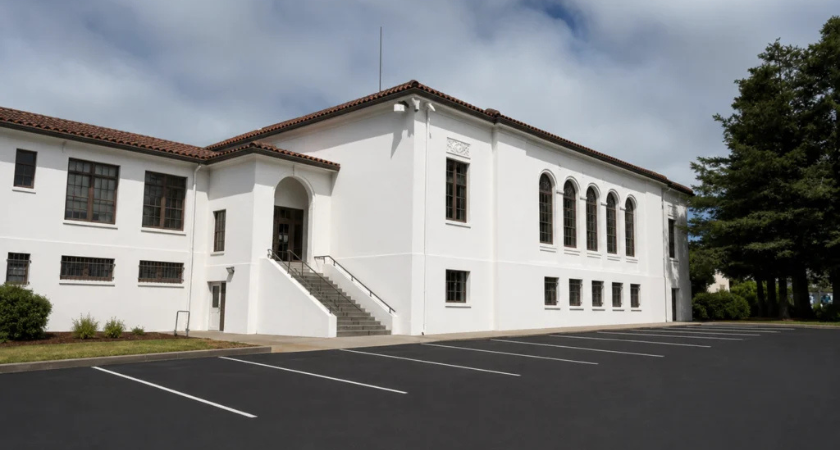
BL Harbert International LLC, headquartered in Birmingham, was awarded a $124.8 million contract to construct barracks for single enlisted troops at Fort Stewart.
The award followed a competitive bidding process involving five other firms, according to a March 30 notice from the U.S. Department of Defense. The project is expected to be completed by April 5, 2029, forming part of a broader slate of defense contracts totaling $5.7 billion announced the same day.
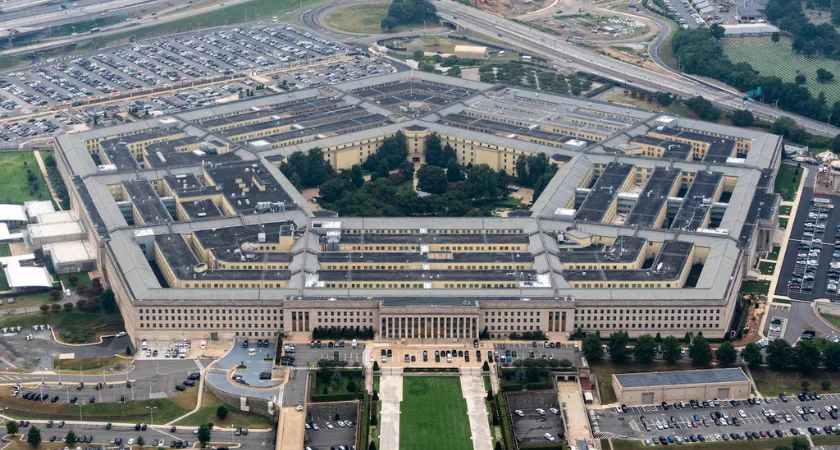
In addition to the Fort Stewart housing project, several other contracts were issued to support military infrastructure and operations both domestically and internationally.
Hexagon US Federal Inc. received a $34.7 million contract to provide hardware, software and services for emergency response systems at Marine Corps installations. This work will span multiple locations, including 11 sites across seven U.S. states and two locations in Japan, with completion scheduled for March 31, 2027.
Meanwhile, Range Generation Next LLC was awarded a $14 million contract to support operations at the Ronald Reagan Ballistic Missile Defense Test Site, located at the Kwajalein Atoll in the Central Pacific.
“Work will be performed in Huntsville, Alabama, with an estimated completion date of Oct. 1, 2028,” the notice said.
“The modification brings the total cumulative face value of the contract to $546,696,690.”
The latest round of awards highlights continued federal investment in military infrastructure, creating steady opportunities for contractors specializing in housing, defense systems and mission-critical facilities.
.webp)
For firms like BL Harbert, the Fort Stewart project underscores the ongoing demand for modernized barracks and improved living conditions for service members. Military housing projects often involve strict design standards, security requirements and accelerated timelines, making them a key niche within the broader construction industry.
At the same time, the additional contracts for technology integration and missile defense support signal growing overlap between construction, engineering and advanced systems deployment. Contractors operating in these spaces are increasingly expected to collaborate across disciplines, blending traditional construction capabilities with high-tech infrastructure delivery.
With billions in defense spending continuing to flow into infrastructure and operations, industry stakeholders can expect sustained pipeline activity — particularly in regions tied to military bases, testing facilities and federal installations.
Originally reported by Kayode Crown | kcrown@al.com in Al. Com.