Alliance Building Solutions is encouraging organizations across the United States to rethink how they manage and consume energy as extreme weather events, rising electricity demand and aging infrastructure place increasing pressure on the nation’s power grid.
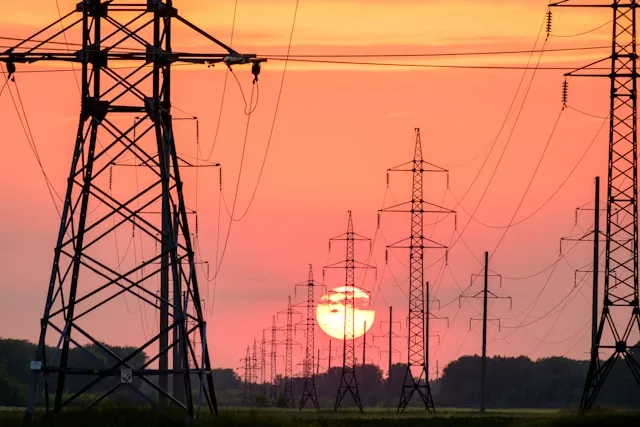
The Alliance Building Solutions warning comes as recent winter storms have strained regional electricity systems in multiple states, highlighting vulnerabilities in power infrastructure and the need for improved energy management strategies.
“Energy reliability is no longer just a weather issue, it is an infrastructure issue,” said John DeMaio. “These winter storms highlight the necessity for power reliability and serve as a warning sign for everyone. Whether in the Midwest, on the East Coast, or here in California, the national and regional grids are under growing strain, and costs are rising as a result.”
Energy experts say multiple trends are simultaneously increasing demand on electricity networks. Rapid expansion of data centers, electrification initiatives, population growth and climate-related disasters are all contributing to the strain on energy systems.
In particular, data center development has become a major factor in electricity consumption growth, as digital services and artificial intelligence technologies require massive computing infrastructure.
“These forces are converging at the same time,” DeMaio explained. “Natural disasters, data centers, aging equipment, and rising utility rates are all competing for limited grid capacity. That makes responsible and efficient energy use not just an environmental priority, but a critical budget issue.”
Businesses, municipalities, schools and healthcare systems are increasingly facing higher energy costs as demand rises and grid capacity becomes more constrained.
Alliance leaders say many organizations underestimate how much energy is lost through inefficient buildings and outdated infrastructure.
Older HVAC systems, inefficient lighting, aging mechanical equipment and poor building controls can significantly increase energy demand and operating costs.
“Most organizations don’t realize how much energy they’re wasting until they see the data,” DeMaio said. “When buildings operate more efficiently, they do more than save money, they reduce demand on the grid and improve reliability during peak events.”
To address these issues, the company focuses on performance-based infrastructure upgrades that allow organizations to modernize facilities while minimizing upfront capital costs.
Typical modernization projects carried out by Alliance include high-efficiency HVAC upgrades, advanced building automation systems, lighting modernization, renewable energy integration and water conservation improvements.
These upgrades can help reduce operating costs while also improving energy resilience and minimizing equipment failures that can disrupt operations.
By replacing aging systems and implementing continuous performance monitoring, organizations can reduce maintenance expenses and improve long-term operational stability.
The company promotes a strategic framework for managing energy resources that focuses on reducing consumption first before expanding energy generation.
“We promote an energy strategy we call Reduce, Produce, Procure, Protect whereby our partner organizations first reduce their overall energy consumption as much as possible, then produce onsite renewable energy to offset as much of the remaining consumption as possible, then optimize their energy procurement strategies, and finally monitor and maintain systems to protect the efficiencies achieved. As energy costs rise, efficiency becomes one of the few tools organizations can fully control,” DeMaio added.
“While many costs are going up, there is still tremendous opportunity to build efficiencies that save money, improve reliability, and protect budgets for years to come.”
Industry leaders say the growing strain on the electricity grid highlights the importance of long-term planning and proactive infrastructure upgrades.
Extreme weather events such as winter storms, heat waves, wildfires and flooding are becoming more frequent, increasing risks for power systems nationwide.
“The grid strain we’re seeing today is a preview of what the future looks like if nothing changes,” DeMaio said. “Organizations that act before the next crisis will be far better positioned to manage risk, control costs, and maintain reliable operations.”
As demand for electricity continues to grow, energy efficiency strategies and infrastructure modernization are expected to play a key role in helping organizations manage costs and maintain reliable operations in an increasingly complex energy landscape.
Originally reported by EIN Presswire in Metro West Daily News.