

Indigenous leaders and environmental advocates are intensifying calls to halt construction of Enbridge’s Line 5 reroute project in northern Wisconsin, citing environmental risks and ongoing legal disputes tied to tribal treaty rights.
.jpg)
The renewed push follows an April 21 rally outside the U.S. Army Corps of Engineers district headquarters in St. Paul, Minnesota, where water protectors and tribal representatives urged federal officials to intervene. The demonstration comes after Enbridge announced in late February that it had begun work on a 41-mile pipeline reroute around the Bad River Reservation, despite pending litigation.
The Bad River Band of Lake Superior Chippewa, along with environmental organizations, is seeking a legal stay to stop construction, arguing the project could cause irreversible ecological damage.
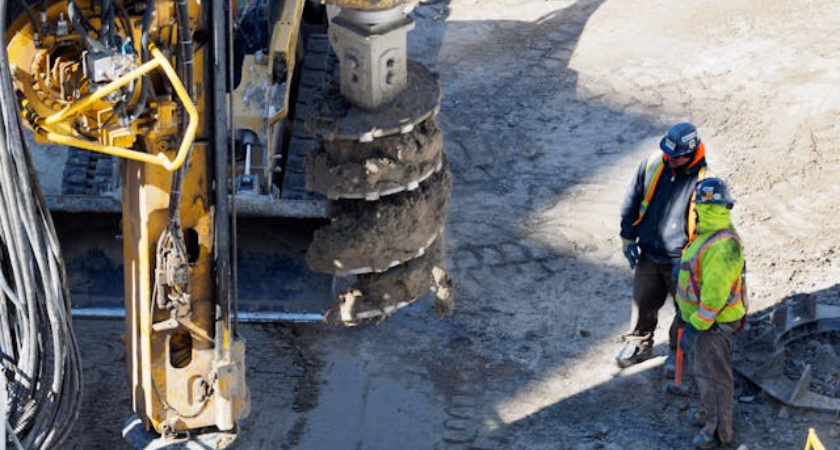
Enbridge’s plan involves drilling, blasting and trenching across hundreds of waterways that feed into the Bad River Reservation. Tribal leaders warn the construction could threaten sensitive ecosystems, including wild rice beds and walleye spawning habitats that are central to the tribe’s culture and subsistence.
Crow Bellecourt, executive director of the Indigenous Protector Movement and a member of the Bad River Chippewa Tribe, emphasized the broader implications during the rally.
“We want to protect the land, we want to protect our hunting and fishing rights, and we want to be able to preserve what we have. And not just for us, but for our non-Native allies that live in the area, too, it’s going to affect everybody,” Bellecourt said.
Speakers at the rally also linked the pipeline dispute to broader geopolitical and environmental concerns. Annie, a representative of the Anti-War Committee, called for changes in U.S. foreign policy alongside domestic environmental protections.
“We demand that the US government honors the treaties here, and the ceasefires abroad. We demand that all US aid to Israel end. No war on Iran, no more blood for oil,” Annie said.
The Line 5 pipeline, which has operated for more than 70 years, transports up to 23 million gallons of oil daily through the Great Lakes region. In 2019, the Bad River Band filed suit against Enbridge for trespassing on tribal lands, citing concerns over a potential rupture near Lake Superior.
A federal judge ruled in favor of the tribe in 2023, ordering the pipeline removed from the reservation by June 2026. However, in March, the same judge allowed Enbridge to continue operating Line 5 temporarily while completing the reroute.
Earlier this month, tribal leaders and environmental groups filed for an additional stay on construction, arguing the reroute itself presents significant environmental risks. A Bayfield County judge is currently considering that request.
Meanwhile, Enbridge has moved forward with early construction activities, including clearing trees along much of the planned corridor. The company has not yet secured all required state permits, with the Wisconsin Department of Natural Resources still reviewing approvals for several key water crossings.
Mark Tilsen, an organizer with the Indigenous Environmental Network, drew parallels between the Line 5 dispute and earlier pipeline protests.
“Like a lot of people, I became aware of the pipeline issue on Indigenous lands at Standing Rock, during the No DAPL fight… Oglala Lakota people, we look to our Ojibwe, Anishinaabe, our Chippewa relatives, and we want to say, you’re not alone,” Tilsen said.
State regulators are continuing to accept public comments on pending permits, as the legal and political battles surrounding Line 5 intensify.
Originally reported by Devon Cupery, Contributor in Unicorn Riot.
.png)


.png)


