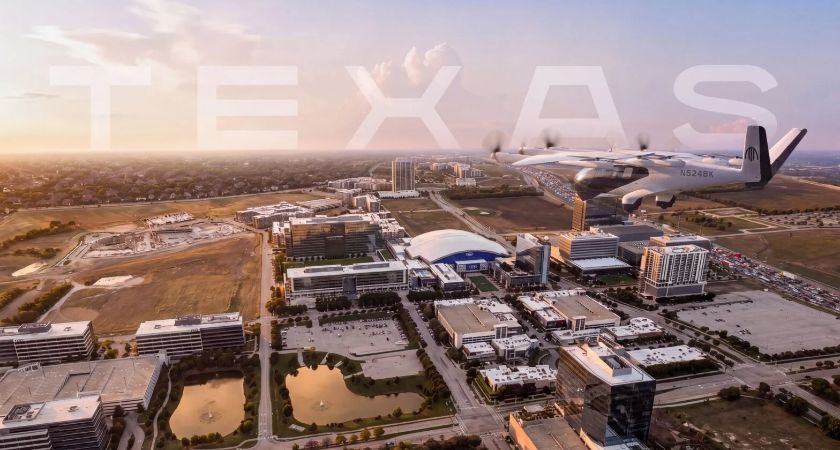
Electric air taxi service could add a new transportation option across Texas’ largest metropolitan areas under plans announced by Archer Aviation on Oct. 23, 2026.
In Dallas-Fort Worth, the proposed network would connect Dallas Fort Worth International Airport, Dallas Love Field, Arlington Municipal Airport, Fort Worth Meacham International Airport, Perot Field-Fort Worth Alliance Airport, Addison Airport and Frisco Station.
The Austin network would include Austin-Bergstrom International Airport, Austin Executive Airport and a helipad at Circuit of The Americas. In Houston, proposed destinations include George Bush Intercontinental Airport, William P. Hobby Airport, Sugar Land Regional Airport, Galveston and a helipad at The Thompson Hotel.
The proposed connections are intended to link airports with commercial centres and other destinations across the three metropolitan areas. Archer has not provided a confirmed launch schedule or detailed operating timetable in the announcement.
Archer plans to use its Midnight aircraft, a piloted, all-electric air taxi designed to carry four passengers. The company lists a maximum speed of 150 mph and a range of 100 miles for the aircraft.
The proposed network is intended to shorten airport transfers and other trips affected by road congestion. Archer estimates that journeys taking 60 to 90 minutes by ground transportation could be completed in approximately 10 to 20 minutes by air on selected routes.
Actual travel times would depend on route distance, operating conditions and access to departure and arrival points. The announcement does not establish when individual routes will begin carrying passengers.
The proposed network would operate across airports and specialised landing locations, creating potential demand for facilities that support electric aircraft operations. Depending on implementation, these could include passenger access areas, charging infrastructure, aircraft staging space and ground transportation connections.
In Dallas-Fort Worth, the planned links between DFW International Airport, Love Field and regional destinations would also need to fit within an established aviation environment serving substantial commercial airline traffic.
The announcement does not detail site development requirements, construction contracts, infrastructure investment or regulatory milestones for the planned network.
If implemented, electric air taxi networks could influence future planning around airports, business districts and mixed-use developments. Developers and infrastructure owners may need to consider how vertiports, passenger facilities and ground access could fit into existing sites and transportation systems.
For contractors, any resulting construction opportunities would depend on confirmed routes, facility plans, approvals and project funding. Archer’s announcement establishes a proposed network across three Texas markets, but specific construction scopes and schedules have not yet been disclosed.
Source: Hillwood.