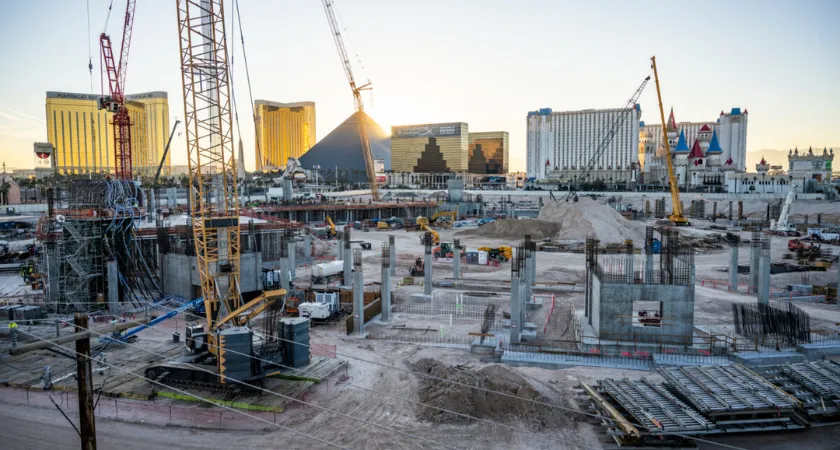
The Oakland Athletics plan to roll out a limited personal seat license (PSL) program as part of their strategy to finance a portion of their $2 billion stadium currently under construction on the Las Vegas Strip.
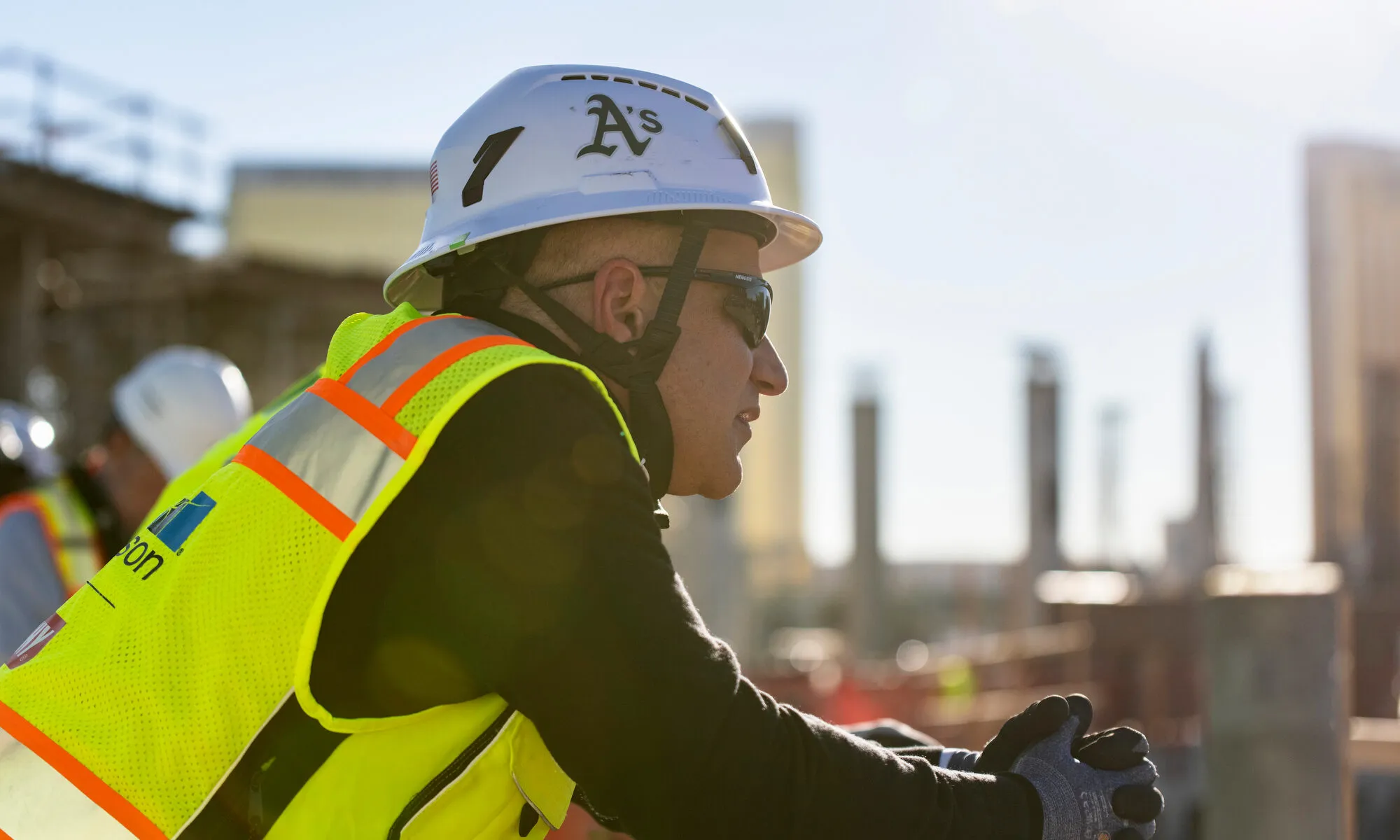
Team officials say the initiative will apply to fewer than 20 percent of the ballpark’s anticipated 30,000 seats and will focus primarily on premium seating areas.
A’s President Marc Badain shared details of the plan Thursday during a meeting of the Las Vegas Stadium Authority, the public body overseeing the project.
“We have a [season ticket] deposit list of over 20,000 people,” Badain said. “We researched the market and the demand was there.”
The team expects to unveil PSL pricing and seat locations ahead of its spring training games at Las Vegas Ballpark on March 7-8.
Personal seat licenses require fans to pay a one-time fee for the right to purchase season tickets for specific seats. In many cases, PSL holders also receive priority access to non-baseball events held at the venue, such as concerts and special sporting events.
While PSLs are common in the NFL, they are less typical in Major League Baseball. Currently, five MLB franchises — the Arizona Diamondbacks, Minnesota Twins, San Diego Padres, San Francisco Giants and St. Louis Cardinals — utilize limited PSL models.
Badain told the authority board that only premium areas, such as seats behind home plate, would require a PSL. General seating throughout the stadium will not carry the additional license cost. The ballpark will also include standing-room sections accommodating up to 3,000 fans.
The concept of PSLs was permitted under SB1, the 2023 legislation approved during a special session that allocated up to $380 million in public financing toward the stadium project.
Jeremy Aguero, principal analyst with Applied Analysis who represented the A’s during legislative hearings, noted that while PSL authority was written into the bill, formal plans to implement the program were not specifically outlined during those discussions.
The Las Vegas ballpark, which broke ground nearly a year ago, is funded through a mix of private investment, public financing and loans.
The stadium authority previously expressed confidence in the financing structure, which includes $1.1 billion from the family of team owner John Fisher and a $300 million loan from U.S. Bank and Goldman Sachs. In addition, the team secured a $175 million equity investment from Aramark Sports + Entertainment last year as part of a food and beverage partnership.
However, rising construction expenses have pushed the overall project cost above its original estimate. Fisher told The Nevada Independent last July that the total had climbed beyond $2 billion.
A’s Vice Chairman Sandy Dean said the team has already invested $300 million into construction over the past year, with those funds coming directly from Fisher. Plans for drawing on the loan funds and tapping into public financing remain in development.
The stadium authority — a 13-member public-private board — continues to monitor progress and financing milestones as the project advances.
Badain also revealed the team is actively pursuing corporate partnerships tied to the venue.
“We’re in discussions with hundreds of companies” on naming rights for the stadium, he said, adding that talks are also underway regarding sponsorship opportunities throughout the ballpark.
“When we have some deals prepared, we’ll announce them,” Badain said.
.webp)
The use of PSLs mirrors a strategy employed by the Las Vegas Raiders, who sold licenses for the majority of seats at Allegiant Stadium to help finance their $1.9 billion facility. Raiders PSL prices ranged from $3,900 to $15,000 per seat.
Industry observers note that PSLs are generally more prevalent in football due to the NFL’s shorter home schedule, which creates higher per-game demand. Baseball teams, with 82 regular-season home games, often rely more heavily on season ticket volume and corporate sales.
Still, the A’s appear confident that Las Vegas’ tourism base, corporate presence and strong early ticket deposit numbers can support the limited program.
With construction steadily progressing and new revenue streams coming into focus, the franchise is aiming to solidify its financial footing well ahead of its planned move into the Strip-side stadium — a venue team executives say will anchor a new era of Major League Baseball in Southern Nevada.
Originally reported by Howard Stutz in The Nevada Independent.