Austin, Texas, took a major step toward building its first light-rail line last week, moving the long-planned transit investment closer to construction.
.webp)
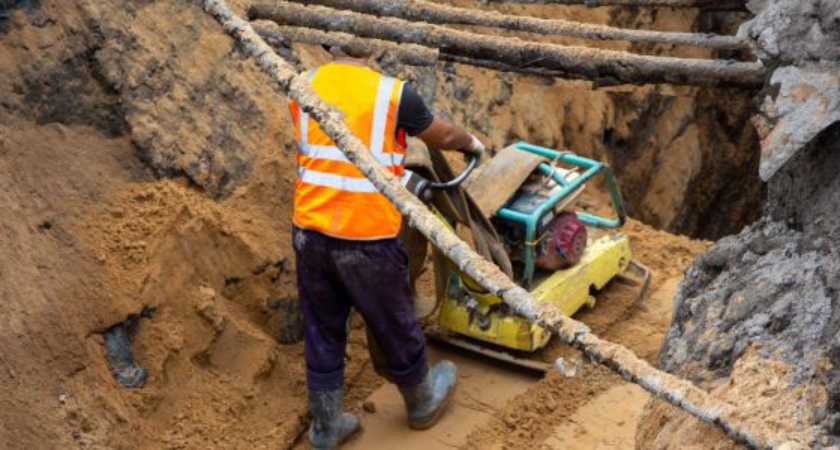
The Austin Transit Partnership, the local government corporation overseeing the project, awarded a $60 million contract to Austin Rail Constructors, a joint venture between Stacy Witbeck and Sundt Construction, to begin pre-construction activities.
The multibillion-dollar initiative will create a 10-mile rail line with 15 stations, linking the University of Texas at Austin to downtown Austin before crossing Lady Bird Lake on a newly built bridge that will also include pedestrian and bicycle paths. Construction is expected to begin in 2027 and wrap up in 2033.
The light-rail project stems from a 2020 ballot proposition in which Austin voters approved a property tax increase to fund expanded transit by a 58% majority. The approval marked a turning point for a fast-growing metro area grappling with congestion, housing expansion and increased commuter demand.
“Austin is building the transportation system our growing city demands,” Austin Mayor Kirk Watson said in a statement.
The new line is designed to serve major employment centers, dense residential areas and the university campus, while also offering multimodal connectivity through bike and pedestrian infrastructure. Officials say the lake crossing will become both a transportation link and a civic landmark.
In addition to local funding, the project is expected to pursue federal transit support and other financing tools as it advances into final design and construction phases.
Austin Rail Constructors brings experience from large-scale transportation projects, including work at Austin-Bergstrom International Airport and rail systems in Arizona, Hawaii and Utah.
“We’re bringing together the best local builders and designers alongside international experts,” ARC Project Manager Armando Tiscareño said in a statement.
Pre-construction activities will include early engineering, cost refinement, scheduling, risk analysis and coordination with utilities and stakeholders. The team will also focus on outreach to local and statewide businesses, creating opportunities for subcontractors, suppliers and small firms to participate in the project.
Meanwhile, the Austin Transit Partnership is negotiating with a prospective vendor for the line’s operations and maintenance facility and has issued a request for proposals to procure the light-rail vehicles. Those parallel efforts are intended to streamline implementation once full construction begins.
Austin’s move places it among a select group of North American cities continuing to invest in rail transit infrastructure. Canadian cities such as Montreal, Ottawa and Toronto are advancing light-rail expansions, while Seattle expects to open a 7.5-mile extension this year.
However, not all U.S. regions are choosing rail. Some municipalities are opting for bus rapid transit systems, which typically require lower upfront capital costs and offer greater route flexibility.
Still, for Austin — one of the nation’s fastest-growing metropolitan areas — leaders argue that a fixed rail line offers long-term reliability and development certainty. By anchoring transit-oriented development around its 15 stations, the city aims to shape future growth patterns, reduce congestion pressures and support climate goals.
With a construction team now selected and early work underway, Austin’s first light-rail line has shifted from vision to implementation — a milestone in the city’s evolving transportation strategy.
Originally reported by Dan Zukowski, Senior Reporter in Construction Dive.