Baltimore City Public Schools is facing scrutiny after investing millions of dollars into renovating a facility that is expected to be demolished shortly after its temporary use ends.
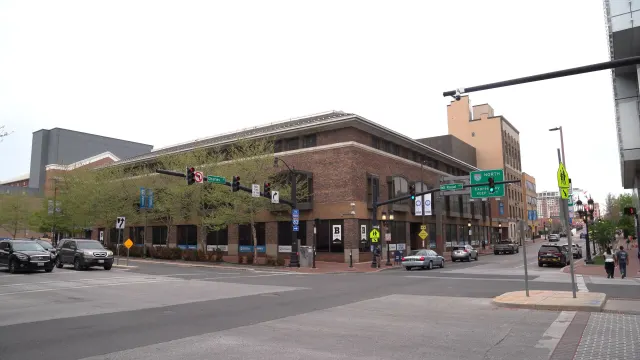
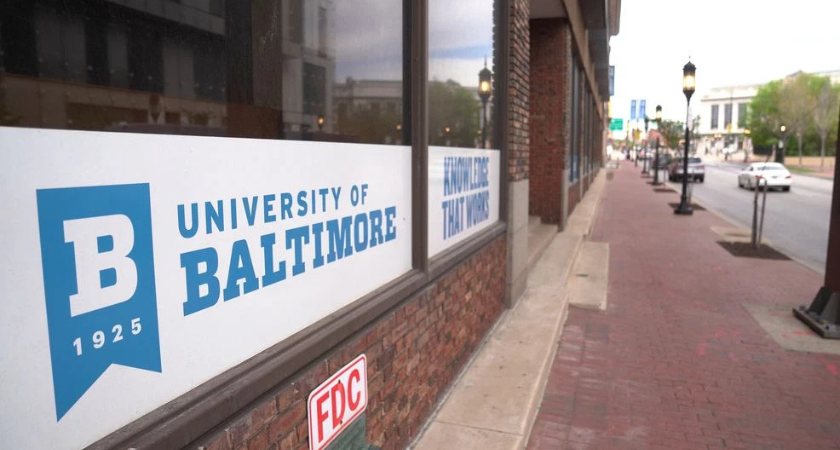
The district is upgrading the Academic Center at the University of Baltimore to house students from Baltimore City College while their primary campus undergoes renovations. However, the building will only be used for three years before the university plans to demolish it, raising concerns about the use of taxpayer funds.
Initial project estimates placed the total cost at $9.8 million in 2024. That figure has since increased to approximately $11.17 million, including $7.14 million in construction costs. Additional expenses cover transportation, security, move-related costs and temporary facilities.
Local officials and education advocates have raised concerns about whether the investment represents responsible spending.
“I know they built a new cafeteria, they renovated 30 classrooms, they knocked down some walls, they installed an entirely new security system and then they also have 14 hall monitors,” said James Torrence, who questioned whether the district could have pursued a longer-term lease arrangement.
Torrence also highlighted equity concerns, noting that some schools across the district are facing reductions in support staff while funds are being directed toward a short-term facility.
“That is definitely a waste of taxpayer funds,” said Brian Robertson, a former teacher in the district. “I could easily think of many, many things that could be done with that money that would benefit the city and benefit the children,” he added, citing ongoing needs such as air conditioning and access to drinking water in other schools.
Domonique Flowers also questioned the decision-making process, stating, “It does seem like it could be a potential waste of tax dollars used to renovate the building and then tearing it down. But I guess I’m curious as to what other options they explored before they came to that decision.”
School officials defended the decision, stating that alternative facilities were either unavailable or would have required even higher renovation costs. The only comparable option, the former Thurgood Marshall Middle School building, was already in use as a swing space and would have cost an estimated $11.5 million or more to adapt for high school use.
Additionally, officials noted that the Thurgood Marshall building is expected to be transferred to city ownership in the near future, limiting its long-term availability for school use.
Supporters of the plan also point to logistical and experiential benefits. The University of Baltimore’s central location reduces commute times for students and offers access to a college campus environment.
City Council Member Odette Ramos supported the move, stating that the university setting allows students to “get the college experience” while their primary school undergoes improvements.

The controversy is compounded by the university’s long-term plans for the Academic Center. According to university officials, demolition could begin as early as 2030, following the end of the school system’s lease in 2028.
The building currently represents a significant portion of the university’s deferred maintenance backlog, and its replacement with a smaller, more energy-efficient facility is part of a broader campus plan.
Despite these plans, critics argue that the short-term use of a soon-to-be-demolished building highlights broader challenges in long-term infrastructure planning and funding allocation within public education systems.
As construction progresses and students prepare to transition into the renovated space, the debate continues over whether the investment strikes the right balance between immediate needs and long-term value.
Originally reported by Brooke Conrad in Fox Baltimore.