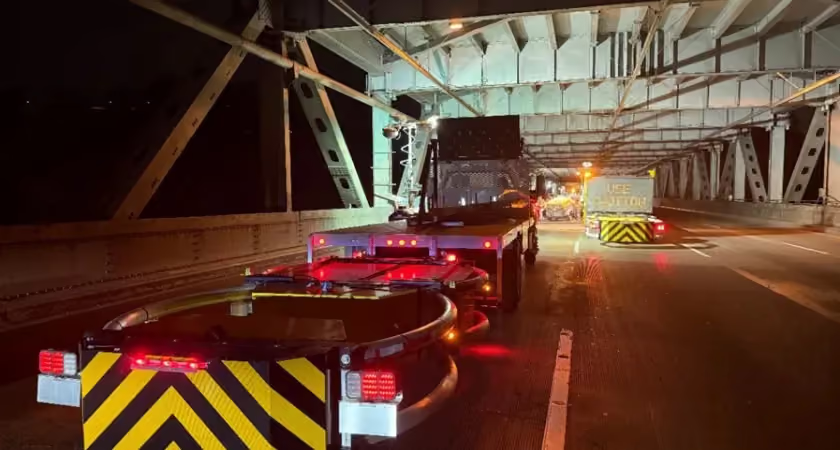
Work on the rehabilitation of the San Francisco–Oakland Bay Bridge continues to move forward as California Department of Transportation (Caltrans) prepares to begin the next stage of improvements on the structure’s west span.
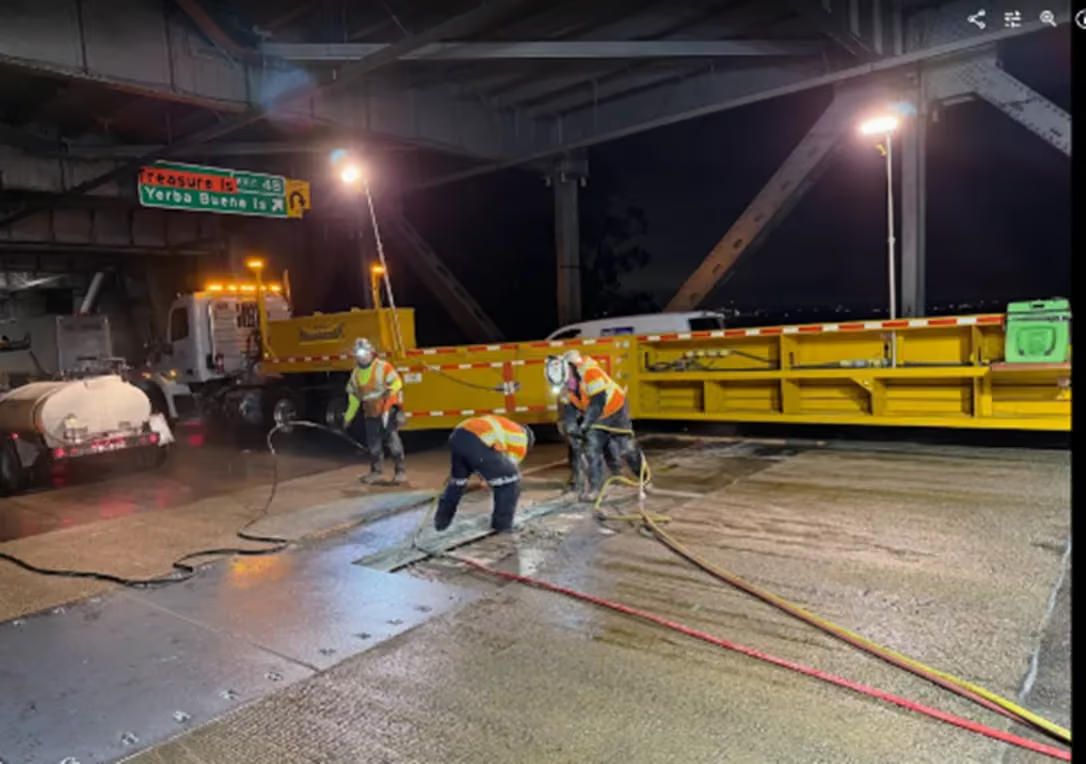
Officials recently confirmed the completion of Phase 2 of the West Span Expansion Joint Rehabilitation project, marking a significant milestone in the long-term effort to maintain and upgrade one of California’s most heavily used transportation corridors.
The construction initiative, which began in August 2025, focuses on repairing and reconstructing key bridge joints on both the upper and lower decks of the span connecting San Francisco and Oakland.
Following the completion of approximately two-thirds of the lower deck reconstruction, Caltrans is set to launch Phase 3 of the project on March 8, 2026.
This phase will involve removing temporary platforms used during the previous stage and installing temporary deck plates along the west end of the bridge near San Francisco. The plates will be positioned between the W2 and W3 towers to support ongoing structural work.
Construction crews will also install temporary platforms beneath the lower deck before placing the deck plates. Once installed, the platforms will reduce shipping channel clearance by approximately 2.8 feet.
The temporary deck plates are expected to remain in place through May 2026 while rehabilitation work continues.
The Bay Bridge is a vital component of the transportation network in the San Francisco Bay Area, carrying hundreds of thousands of vehicles each day between San Francisco and the East Bay.
Because of the bridge’s heavy use and aging infrastructure, periodic maintenance and structural upgrades are necessary to ensure long-term reliability and safety.
The West Span Joint Rehabilitation Project specifically targets finger joints and expansion joints, which allow the bridge structure to expand and contract with temperature changes and traffic loads. Over time, these components can wear down and require reconstruction.
Most of the construction work for this project takes place during nighttime hours to minimize traffic disruptions for daily commuters.
Caltrans expects the overall rehabilitation project to continue through June 2027.
The work is designed not only to repair existing structural components but also to extend the lifespan of the bridge and improve the driving experience for motorists.
When completed, the upgrades will deliver several benefits for drivers and surrounding communities.
Transportation officials say the project will help maintain the structural integrity of the bridge while improving roadway conditions.
Key benefits include:
These upgrades are part of a broader statewide effort by Caltrans to modernize and maintain California’s highway and bridge infrastructure.
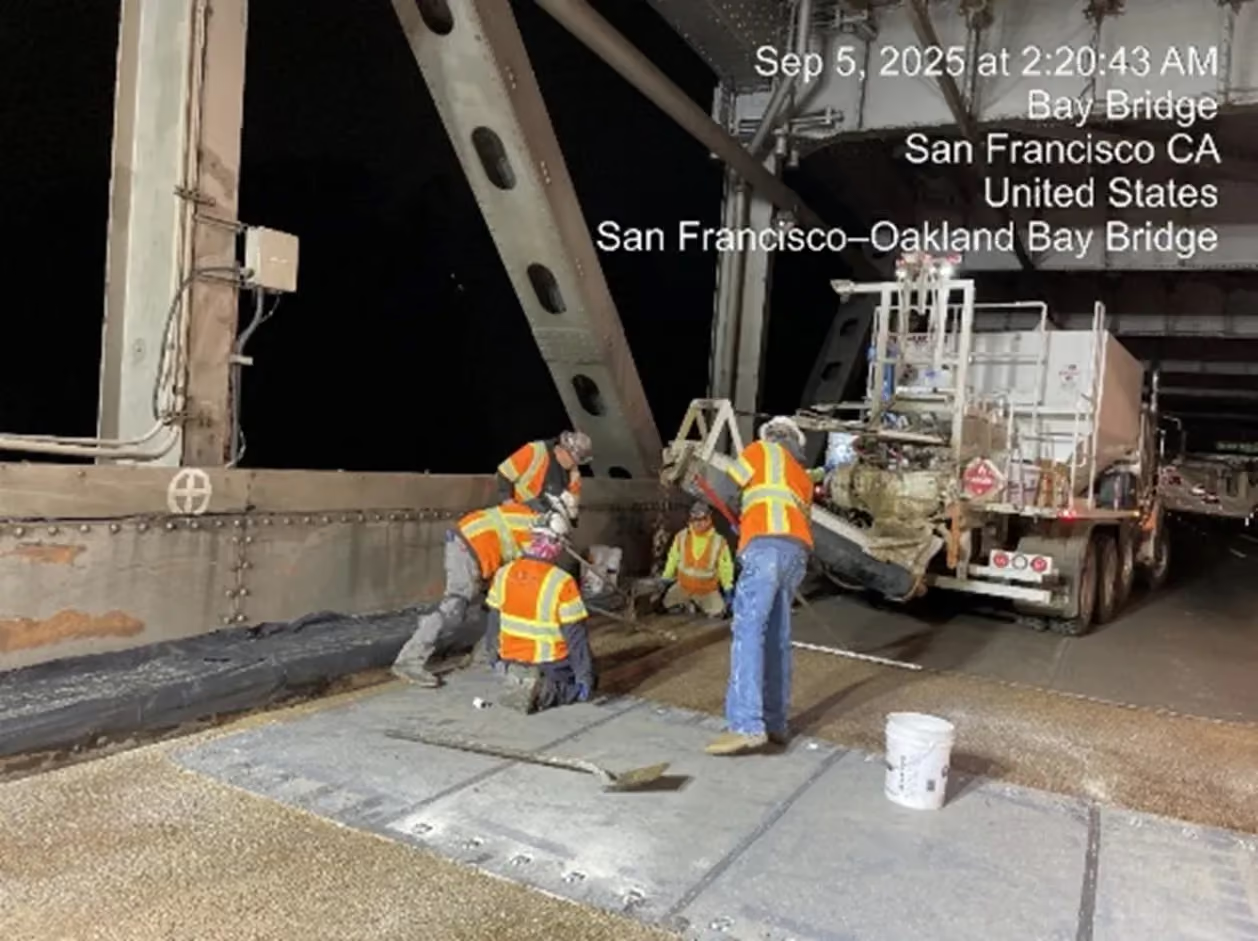
Because portions of the work take place above active shipping routes in the San Francisco Bay, Caltrans is also coordinating closely with maritime stakeholders.
Officials emphasized the importance of cooperation from the maritime community during construction activities that may temporarily affect shipping channel clearance.
“Caltrans appreciates the cooperation of the maritime community during this essential safety and rehabilitation work.”
Transportation officials encourage drivers to stay informed about construction updates and potential traffic impacts throughout the project timeline.
Motorists traveling through the corridor can monitor real-time road conditions using Caltrans QuickMap or regional traffic services such as 511 SF Bay.
Caltrans also noted that construction schedules remain weather dependent, meaning adjustments may occur if conditions change.
As rehabilitation work continues over the next year, the project will play a key role in maintaining the safety and reliability of one of California’s most iconic and heavily traveled bridges.
Originally reported by DOT California Government.