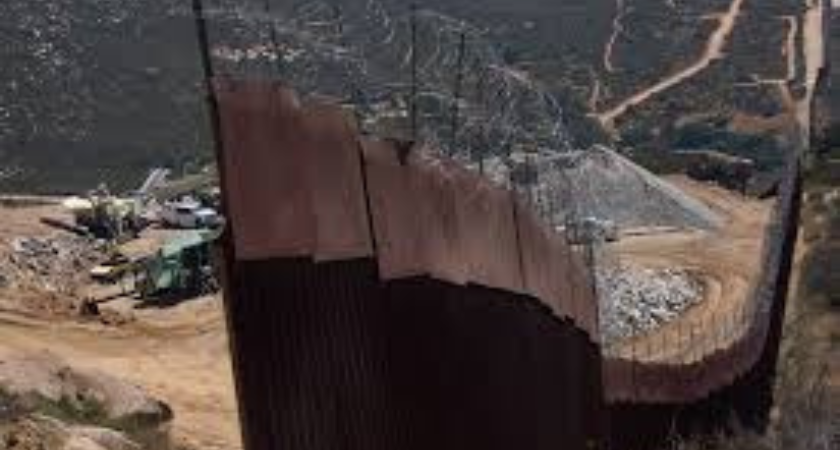
Large-scale border infrastructure construction across the U.S.-Mexico corridor is intensifying debate within the construction and public infrastructure sectors over how fast-tracked federal projects interact with cultural preservation laws, environmental protections, and contractor risk management.
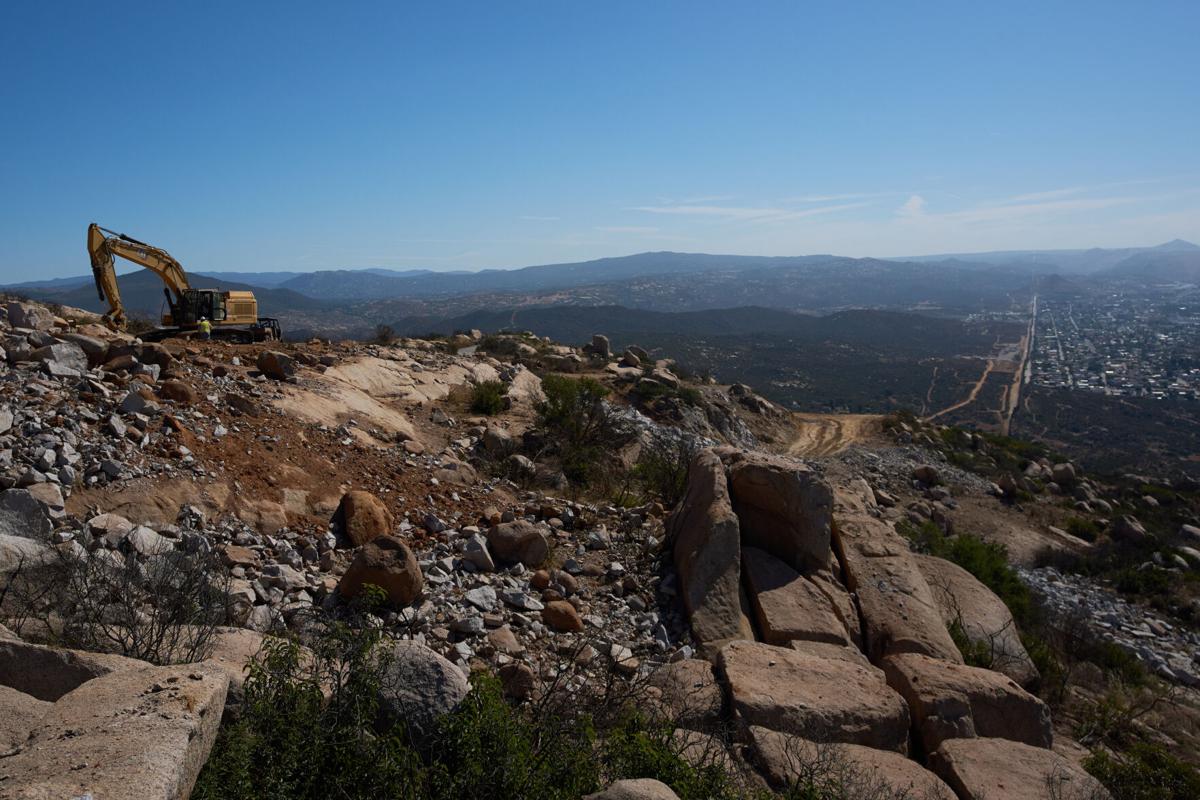
The expansion effort, overseen by agencies including U.S. Customs and Border Protection and coordinated through the U.S. Department of Homeland Security, includes new wall segments, access roads, and surveillance infrastructure across multiple southwestern states.
While the program is positioned as a national security initiative, construction activity is increasingly intersecting with land considered culturally and spiritually significant by Indigenous communities. Reports from affected regions indicate that heavy machinery, blasting operations, and grading work are occurring in sensitive terrain where cultural and archaeological resources are present.
For contractors engaged in federal infrastructure work, the situation highlights a growing compliance challenge: projects operating under expedited environmental review processes may face downstream disputes related to cultural resource protection and land disturbance accountability.
Federal authorities have authorized accelerated construction timelines in certain areas, allowing work to proceed under environmental and cultural review exemptions. These waivers are intended to streamline project delivery but have drawn scrutiny from legal experts and tribal representatives who argue that historic preservation safeguards are being weakened in practice.
Construction firms working under federal contracts in these regions are operating in an increasingly complex risk environment. In addition to typical schedule and cost pressures, contractors must navigate evolving requirements tied to archaeological monitoring, consultation obligations, and land-use restrictions that can shift during active construction phases.
Legal exposure is also becoming a central concern. Disturbance of protected cultural or archaeological sites on federal or tribal lands can trigger regulatory penalties, project delays, or litigation, depending on site classification and permitting conditions. This introduces uncertainty into procurement planning and field execution for both prime contractors and subcontractors.
From a broader industry perspective, the border infrastructure program reflects a shift in how large-scale public works are being delivered—favoring speed and volume over traditional phased environmental clearance in certain jurisdictions. This approach can accelerate project awards and mobilization but may increase long-term project risk profiles.
At the same time, portions of the program are incorporating surveillance-based solutions rather than continuous physical barriers in select terrain. This hybrid approach signals a diversification of infrastructure scope that includes technology integration alongside conventional civil construction work.
For contractors, this evolving model requires stronger coordination between field operations, compliance teams, and government oversight agencies. It also increases the importance of early-stage risk assessment when bidding on federally directed infrastructure programs in environmentally and culturally sensitive regions.
Owners and contractors participating in federally funded infrastructure work may face heightened scrutiny around cultural resource protection, environmental compliance, and community impact. Projects moving under expedited approvals can carry additional uncertainty, particularly where field conditions reveal previously unidentified cultural or ecological constraints.
For the construction industry, the situation underscores the need for stronger pre-construction due diligence, adaptive project planning, and tighter integration between legal, environmental, and field execution teams—especially on high-profile public infrastructure programs where reputational and regulatory exposure is elevated.
Originally reported by JULIE WATSON and MORGAN LEE in AP News.