Expanding municipal wastewater capacity is becoming increasingly important for communities experiencing population growth and commercial development. In Republic, Missouri, a major treatment facility upgrade increases daily processing capacity while addressing regulatory requirements and providing additional infrastructure for future development.
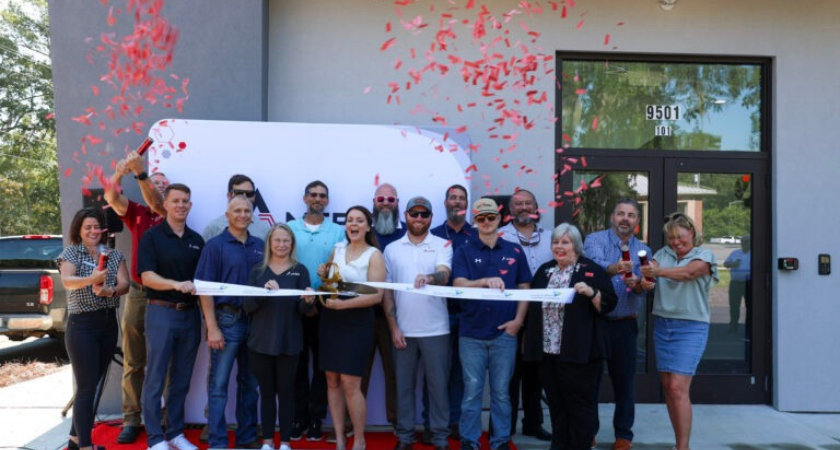
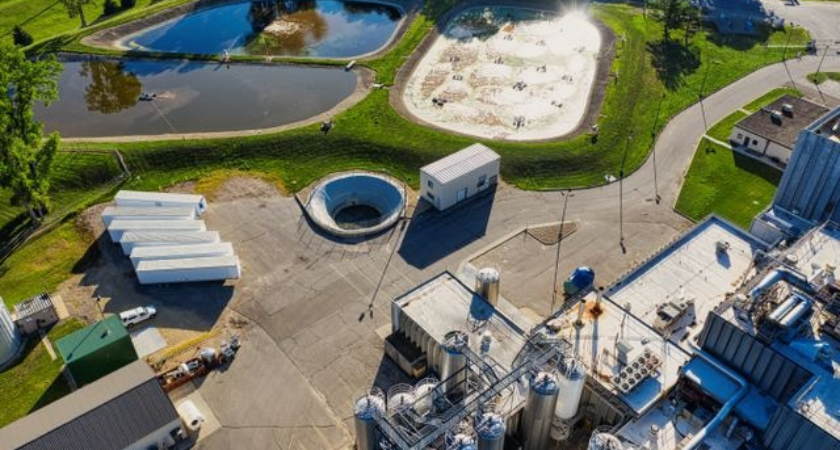
Burns & McDonnell worked with the City of Republic to deliver the Water Reclamation Facility expansion, which was marked by a ribbon-cutting ceremony on Oct. 29, 2026. The upgraded facility can now treat up to 5 million gallons of wastewater per day and incorporates Missouri's largest membrane bioreactor (MBR) system.
The facility expansion forms part of a broader $145 million wastewater improvement program covering treatment capacity, wet-weather performance and collection system infrastructure.
The infrastructure investment includes five coordinated projects across Republic's wastewater network.
Beyond the treatment plant expansion, the program includes peak wet-weather improvements and three collection system projects. Planned infrastructure improvements include approximately 13,000 feet of new gravity sewer along the Brookline corridor, along with upgrades to the McElhaney and Lift Station 4 facilities.
Republic began developing its long-term water and wastewater infrastructure strategy with Burns & McDonnell in 2017 through a comprehensive master planning process. The planning effort established priorities for infrastructure investment as the city experienced increased economic activity and development.
The city has added more than 3,000 jobs over five years and attracted more than $700 million in capital investment. Its population is projected to double over the next two decades.
Funding for the wastewater program combines direct municipal allocations, state revolving fund loans and revenue bonds. Coordination with the Missouri Department of Natural Resources also helped align treatment technology, permitting requirements and financing.
Republic used a progressive design-build procurement model for the first time on the project, integrating design, procurement and construction activities under a coordinated delivery structure.
When initial cost estimates exceeded the available budget, the project team applied value engineering to adjust costs while retaining the required treatment objectives.
Early procurement of critical equipment helped support the construction schedule. The team also used phased commissioning to bring new treatment systems online while maintaining operations at the existing facility.
Operational preparation formed another part of the delivery process, with Republic's wastewater staff receiving training on the new treatment systems during startup.
The Republic expansion demonstrates how municipal infrastructure programs can combine treatment plant modernization with collection system improvements to address development pressures and regulatory obligations.
For construction owners and contractors pursuing water and wastewater projects, the development also highlights the role of progressive design-build, early equipment procurement and phased commissioning in delivering complex upgrades while existing public infrastructure remains operational.
Source: Burns & McDonnell.