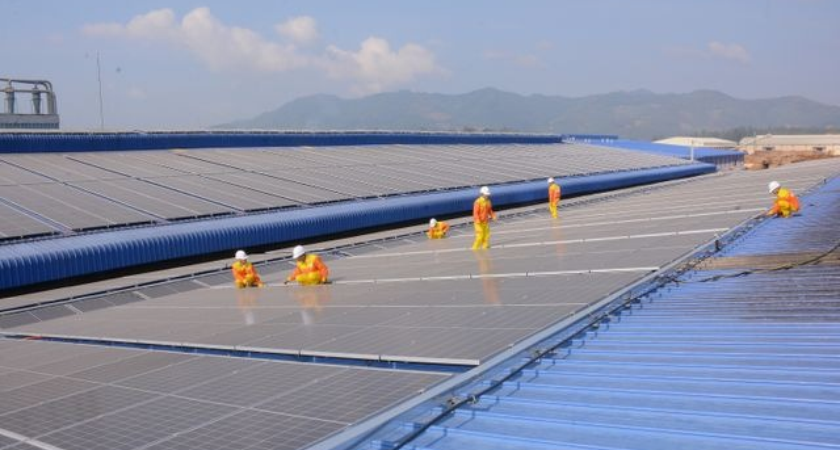
The Solar Energy Industries Association (SEIA) and Current Energy Group have introduced a policy framework designed to help electricity regulators and grid operators meet rising power demand through distributed energy resources, including solar energy systems and battery storage. The proposal outlines procurement strategies intended to expand available capacity, improve grid reliability and control electricity costs without relying exclusively on traditional utility infrastructure.
The Distributed Capacity Procurement (DCP) Framework white paper sets out three procurement pathways to help regulators respond to growing electricity loads and infrastructure constraints. It also identifies 10 principles and policy tools intended to help policymakers implement the approach using existing regulatory mechanisms.
The framework comes as energy leaders face increasing pressure from rising electricity demand, higher power prices and ageing grid infrastructure. Distributed energy resources could provide additional capacity while offering an alternative to some conventional infrastructure investments.
Two central principles guide the proposed approach: regulators should use the least restrictive procurement pathway that meets a specific capacity need, and customer-owned or third-party-owned distributed energy resources should be the default option. Utility-owned resources would be considered in limited circumstances.
The report argues that competitive procurement of independently owned resources can help reduce electricity costs, including by limiting utilities’ dependence on more expensive wholesale market purchases to meet capacity requirements.
Community solar programmes, battery storage and virtual power plants are among the distributed energy approaches that states are pursuing to expand available resources and coordinate capacity across multiple systems.
For construction and infrastructure stakeholders, broader deployment of distributed energy resources could create opportunities in solar installations, battery storage, electrical systems and grid integration. These resources may also offer utilities and communities additional options for addressing capacity constraints as electricity demand increases.
The framework provides regulators with a proposed approach to evaluating and procuring distributed resources. Its impact will depend on how states and grid operators implement the recommendations, structure competitive procurement and integrate these resources into existing electricity systems.
SEIA released the report with Current Energy Group on October 26, 2026. The work builds on policy efforts by SEIA’s Distributed Power Project team following the integration of the Coalition for Community Solar Access into SEIA.
Source: SEIA.