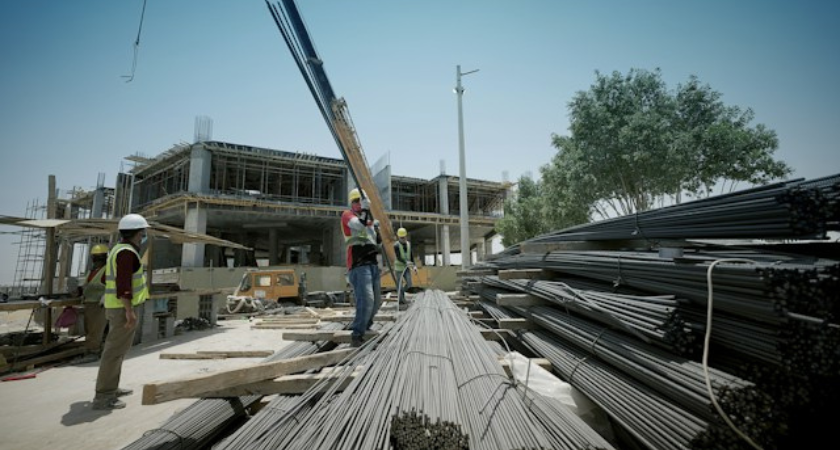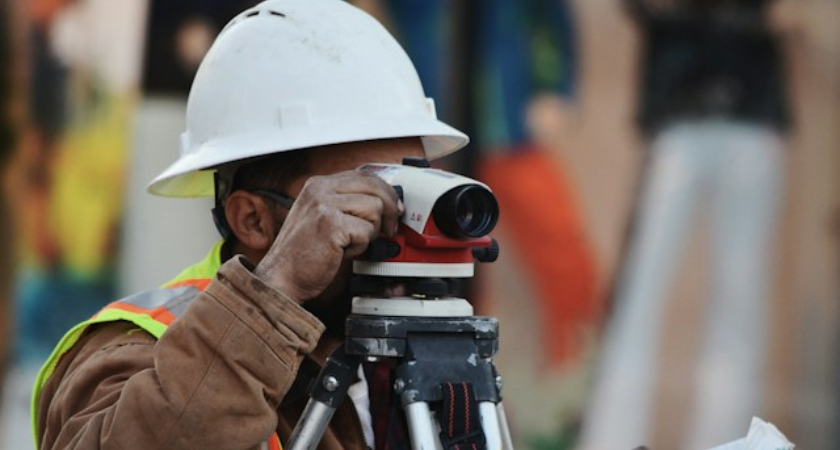
California construction employers are facing heightened heat-related safety risks as temperatures are forecast to exceed 100 degrees across several parts of the state. Cal/OSHA is reminding employers to maintain required protections for workers at outdoor and indoor jobsites as heat advisories and extreme heat warnings remain in effect.
The Sept. 9 advisory covers areas including Southern California, the Central Valley, the Bay Area and Central Coast, with some locations forecast to reach temperatures above 110 degrees.
California’s outdoor heat illness prevention rules require employers to provide workers with fresh water, access to shade and cool-down rest breaks when requested. Shade must be available when temperatures exceed 80 degrees.
Construction is among the industries subject to additional requirements when temperatures reach or exceed 95 degrees. During high-heat conditions, employers must implement procedures that include regularly observing workers for signs of heat illness and maintaining effective communication methods.
Employers are also required to provide training so supervisors and workers can identify heat illness symptoms and understand emergency procedures.
Cal/OSHA’s heat illness standards extend beyond outdoor construction sites. The indoor requirements apply to most indoor workplaces, including warehouses, manufacturing facilities and restaurants.
When indoor temperatures reach 82 degrees, employers must take specified measures to protect workers. These include access to water, rest, cool-down areas and appropriate training.
The requirements can apply to employers operating both indoor and outdoor workplaces, meaning construction companies with office, warehouse or fabrication operations may need to address heat risks across multiple work environments.
Extreme heat can create significant operational and safety challenges for contractors, particularly on projects involving physically demanding outdoor work. Compliance with California’s heat standards requires employers to plan for changing conditions rather than relying solely on scheduled breaks or normal site procedures.
Contractors should monitor local forecasts, maintain required water and shade provisions, communicate heat procedures to crews and ensure supervisors are prepared to identify signs of heat illness. Written prevention plans and worker training are also central to maintaining compliance as conditions change.
With temperatures expected to remain elevated across several California regions, heat preparedness remains an immediate jobsite management priority for construction employers.
Source: DIR State Of California.