The state of California is highlighting new efforts to expand career opportunities for women in construction as part of Women in Construction Week, an annual initiative recognizing women working in one of the nation’s most essential industries.
.webp)
The California Labor & Workforce Development Agency (LWDA) and its partner departments are using the week to spotlight women contributing to the construction workforce while promoting programs designed to increase access to high-demand, high-wage careers.
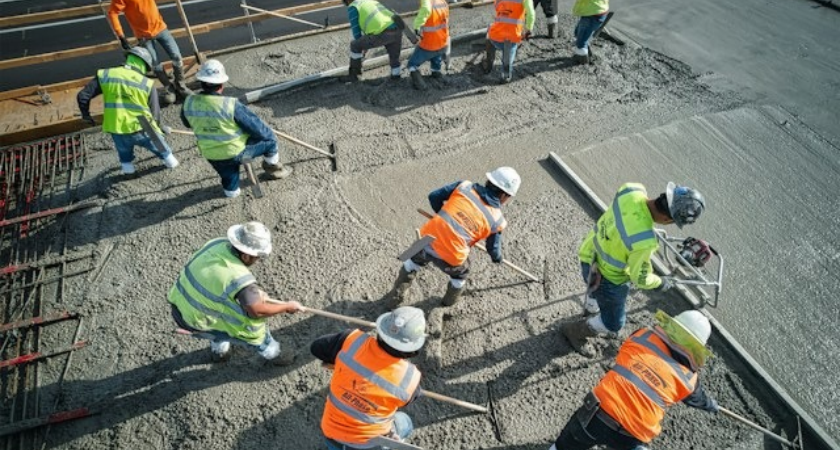
Across job sites in California, women are playing a growing role in building critical infrastructure, including homes, transportation systems and community facilities that support the state’s economic growth.
Although women remain underrepresented in the industry, their participation continues to increase. According to the U.S. Bureau of Labor Statistics, women currently represent about 11 percent of the construction workforce nationwide.
State leaders say expanding those numbers is a key part of California’s broader workforce development strategy.
“California’s construction workforce should reflect the full strength and diversity of our state,” said LWDA Secretary Stewart Knox. “Through targeted investments and strong partnerships, we are expanding equitable pathways that help more women enter and thrive in good-paying construction careers.”
One of the primary tools supporting women entering the construction trades is the state’s apprenticeship system.
The California Department of Industrial Relations, through its Division of Apprenticeship Standards, recently launched a Women in Construction campaign highlighting female apprentices and connecting job seekers with training programs across the state.
Registered apprenticeships allow participants to earn wages while gaining practical training, offering an alternative to traditional college education while helping reduce student debt.
California operates one of the largest apprenticeship systems in the United States, with construction trades representing a significant portion of the active programs.
These programs help workers gain specialized skills in fields such as electrical work, carpentry, heavy equipment operation and other skilled trades that remain in high demand.
Women are also playing an increasingly important leadership role within California’s construction ecosystem.
Amy Rohrer, executive director of Valley Contractors Exchange, is one example of a leader helping support workforce development and training for construction professionals.
The California Employment Training Panel awarded Valley Contractors Exchange $107,820 in funding to help upskill construction workers and address labor shortages in communities affected by wildfire damage.
The training initiative focuses on counties including:
Rohrer’s connection to the construction industry became deeply personal following the devastating Camp Fire 2018 in Northern California.
“In the aftermath of the fire, I was also unexpectedly let go from my job, something that at the time felt devastating, but in hindsight was one of the best things that could have happened,” said Amy. “It gave me the opportunity to return to construction in a very personal way. I worked alongside my family to rebuild our home, and that experience was incredibly empowering.”
Today, Rohrer leads an organization focused on strengthening the construction sector and supporting small businesses in the industry.
“My goal is for Valley Contractors Exchange to be an indispensable partner to our members,” she said. “Through workforce initiatives, training programs, and advocacy, we want to help them stay competitive and sustainable.”
The California Workforce Development Board is also investing in regional initiatives designed to help women enter construction careers through specialized training and mentorship programs.
Several programs highlighted during Women in Construction Week include:
Sistas with Tools – In partnership with the San Francisco Building and Construction Trades Council, this program provides hands-on pre-apprenticeship training tailored for women of color in the Bay Area. Participants are connected with union jobs offering strong wages, benefits and long-term career opportunities.
ValleyBuild – A Central Valley training program focused on expanding construction career pathways for women and other underserved communities. The program recently celebrated its fourth all-female training cohort.
.webp)
San Diego Workforce Partnership – Through its Apprenticeship Readiness Program and High Road Construction Careers initiative, the organization is working to increase women’s participation in the skilled trades. The program’s current cohort is 31 percent women, reflecting targeted recruitment and support strategies.
California’s construction sector is expected to require thousands of skilled workers in the coming years as the state expands housing development, transportation projects and climate-resilient infrastructure.
Programs focused on training and workforce development are designed to ensure more residents — including women and other historically underrepresented groups — can access these career opportunities.
By aligning education programs, job training initiatives and economic development strategies, state officials aim to build a more diverse and resilient construction workforce.
Officials say these efforts will not only strengthen the labor pipeline but also help ensure the construction industry reflects the communities it serves.
Originally reported by Labor California Government.