California’s long-debated Delta tunnel project has cleared a key regulatory hurdle, but significant legal, financial and community challenges continue to cast uncertainty over its future as Gavin Newsom approaches the end of his term.
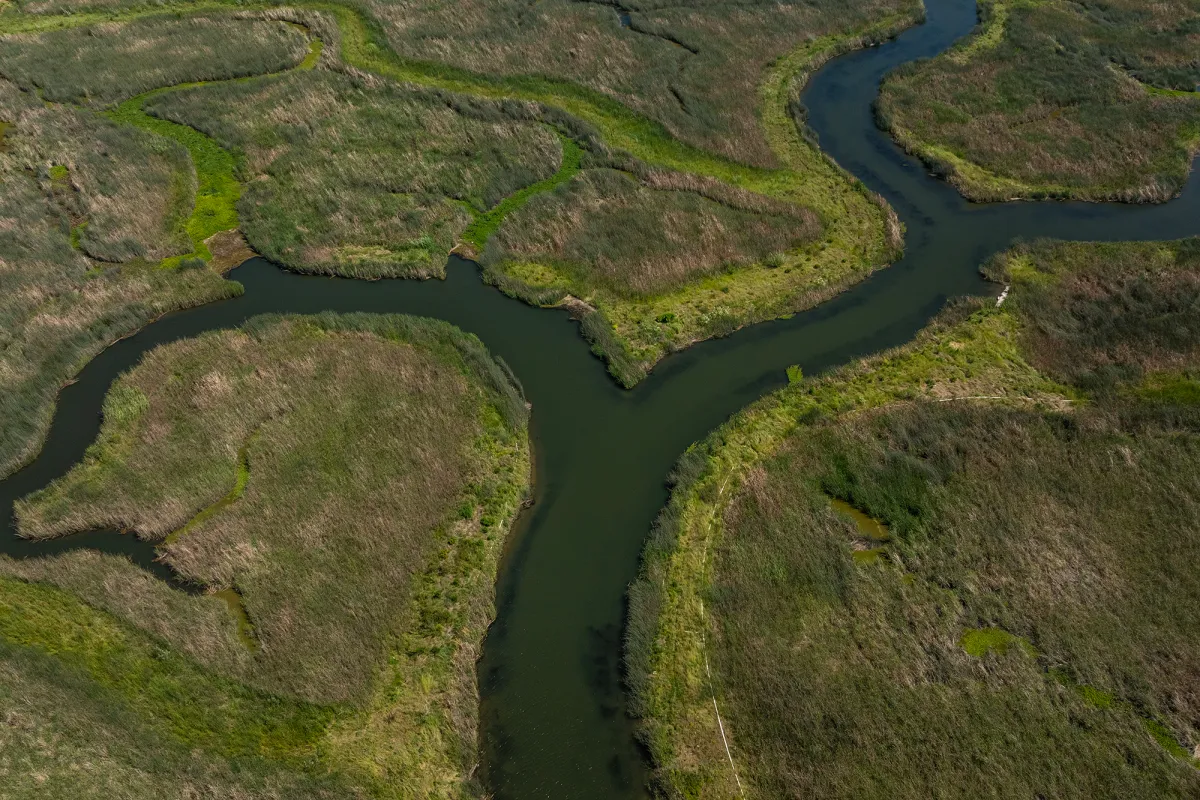
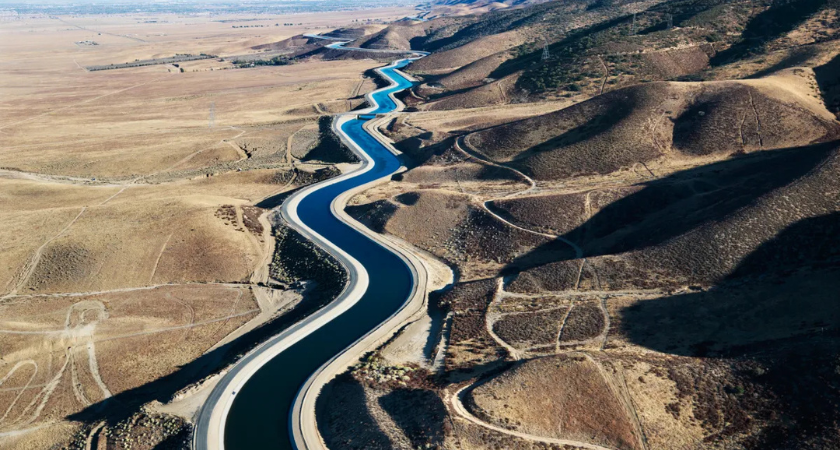
The proposed Delta Conveyance Project — a roughly $20 billion effort — would divert water from the Sacramento River through a 45-mile tunnel to connect with the California Aqueduct, helping move water to cities and farms across the state. State officials argue the project is essential to secure water supplies for millions of residents amid climate change and increasing environmental pressures.
However, critics say the plan threatens the fragile ecosystem of the Sacramento-San Joaquin Delta and could disrupt communities, agriculture and wildlife that depend on the region.
The Delta Stewardship Council recently voted 6-1 to require the California Department of Water Resources to address only two remaining challenges to the project, a move seen by supporters as a step forward.
Newsom hailed the decision, stating “we are closer than ever to seeing this important piece of infrastructure completed.”
Despite that progress, experts warn that far greater obstacles remain. Legal rulings have already complicated the state’s financing strategy, while key water rights decisions are still pending before regulators.
“These are all existential,” said Jeffrey Mount. “You’ve got some pretty tough hurdles ahead.”
Opponents continue to frame the project as a major environmental risk. The Delta — a critical hub in California’s water system — is already under strain from declining water quality, algal blooms and habitat loss. Environmental advocates fear that diverting freshwater could accelerate ecosystem collapse.
Beyond environmental concerns, the project faces uncertainty over how it will be funded. State officials had planned to rely on revenue bonds repaid by water agencies, but courts ruled that the proposed financing structure exceeded legal authority. The California Supreme Court declined to review the case, leaving funding plans unresolved.
At the same time, no water agency has formally committed to covering construction costs, further delaying progress.
Local resistance is also intensifying. Residents in Delta communities worry about the project’s impact on farmland, businesses and daily life. Duane Martin Jr., a third-generation cattleman, said the proposed construction could disrupt land he has used for decades.
“It’s the community that they’re going to impact — those of us that have lived here most of our lives,” Martin said. “They’re going to change the Delta area forever.”
One of the next battlegrounds involves land that overlaps with a major recycled water initiative known as Harvest Water, a project aimed at irrigating farmland and creating wildlife habitat. The potential conflict underscores the complexity of balancing infrastructure development with environmental and agricultural priorities.
State officials estimate construction could begin as early as 2029 and take more than a decade to complete. But with Newsom nearing the end of his administration, the project’s future may depend on the priorities of the next governor.
Supporters argue that, despite the challenges, the tunnel is inevitable.
“If you don’t build it in this generation, you’ll build it in the next,” Mount said. “Build a tunnel, or start a very painful process of really cutting back on water supplies from the Delta.”
For now, the project remains in limbo — advancing incrementally while facing a complex web of legal disputes, funding gaps and community opposition that could ultimately determine whether it moves forward.
Originally reported by Rachel Becker in Cal Matters.
.png)


.png)