Planning activity for U.S. nonresidential construction declined for the second consecutive month at the start of 2026, reflecting cautious sentiment among builders and developers.
.webp)
According to new data from Dodge Construction Network, the Dodge Momentum Index, which tracks nonresidential projects entering the planning phase, dropped 7.3% in February compared with the previous month.
The decline follows a 6.3% drop in January, suggesting a cooling in early-stage project activity after a surge in planning activity during the second half of 2025.
Despite the slowdown, analysts say long-term construction demand remains strong, supported by large-scale projects in sectors such as data centers, healthcare facilities and public infrastructure.
Industry experts say a combination of rising construction costs, workforce challenges and geopolitical uncertainty has dampened near-term confidence among developers.
“Planning momentum continued to normalize in February after a surge in activity in the back half of 2025,” said Sarah Martin. “Elevated risks around costs, labor and geopolitics will continue to constrain builder confidence in the near-term but the robust planning pipeline suggests an acceleration in construction spending in 2027.”
Even with the recent decline, Dodge analysts noted that the overall planning pipeline remains relatively healthy, which could translate into stronger construction activity in the coming years.
Several sectors continued to show strong project planning during February.
Data center developments and healthcare facilities remained among the most active segments of the nonresidential construction pipeline. The growth reflects ongoing investment in digital infrastructure, artificial intelligence and expanded healthcare services.
Retail construction and warehouse developments also posted steady demand, supported by population growth and evolving logistics needs.
However, broader commercial construction planning weakened overall during the month.
Planning for commercial buildings declined 8.9% from January, though the category still stands 12.3% higher than February 2025. Analysts say that growth is largely driven by large-scale data center developments.
Without data center projects, commercial planning would have increased only 4.4% year over year, according to the Dodge report.
Institutional construction — which includes projects such as education facilities and government buildings — also declined slightly during February.
Planning activity in that sector dropped 4% compared with the previous month, though several major public projects still entered the pipeline.
Meanwhile, industrial construction planning increased sharply, rising 34% year over year as companies continue to expand manufacturing facilities and logistics infrastructure.
Overall, Dodge reported that 23 major projects valued at $100 million or more entered the planning phase during February.
.webp)
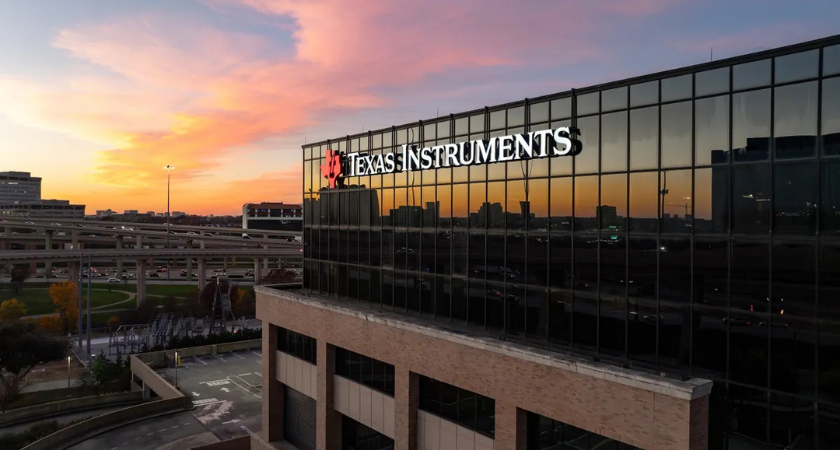
Among the most significant commercial projects entering planning were several large data center developments in Texas.
These included:
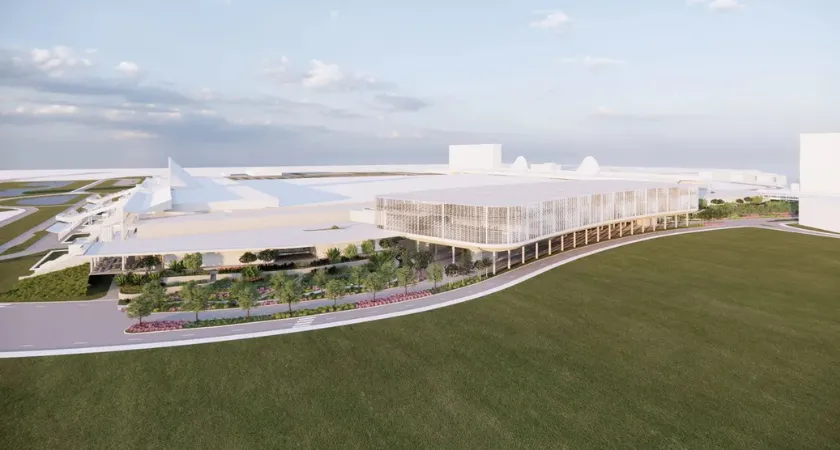
Institutional projects entering planning included several large public developments:
These large projects highlight continued investment in infrastructure, technology and public facilities even as overall planning activity moderates.
While the Dodge Momentum Index shows short-term volatility, economists say the overall outlook for the construction industry remains favorable.
Strong demand for digital infrastructure, manufacturing expansion, logistics facilities and public construction projects is expected to drive new project starts over the next several years.
Industry analysts note that many projects currently in the planning pipeline could translate into construction spending increases later in the decade, particularly as financing conditions stabilize and global economic risks ease.
Originally reported by Sebastian Obando, Reporter in Construction Dive.
.png)


.png)