


U.S. construction groundbreakings increased modestly to start 2026, but underlying data shows the momentum was narrowly concentrated in a few large energy projects, according to Dodge Construction Network.

Total construction starts rose 0.7% month over month in January to a seasonally adjusted annual rate of $1.24 trillion. However, most of that gain stemmed from nonbuilding activity — particularly electric power and utility construction — rather than broad-based expansion across the industry.
Nonbuilding construction delivered the strongest boost to overall figures, with a handful of energy megaprojects significantly skewing the results.
“Nonbuilding construction remained the primary engine of growth in the first month of 2026,” said Eric Gaus, chief economist at Dodge Construction Network. “Three megaprojects in the nonbuilding sector accounted for nearly $20 billion or almost half of the growth in January, which would mean total construction would have been negative without those three projects.”
Groundbreakings in the nonbuilding segment climbed 24.3% month over month, fueled by a 184.8% surge in electric power and utility construction. In contrast, highway and bridge starts declined 42.3% during the same period.
The largest projects breaking ground in January included:
These outsized investments provided the bulk of January’s gains, underscoring the sector’s reliance on energy and utility spending.
Outside of nonbuilding construction, most major categories experienced declines.
Nonresidential groundbreakings — including office and hotel projects — dropped 15.4% month over month. Residential construction fell 6.4% in January, reversing strong activity at the end of 2025.
Warehouse and retail construction posted monthly increases of 10.2% and 6.5%, respectively. However, those gains were overshadowed by a steep 52.2% decline in office and data center starts.
Despite that drop, Gaus maintained a positive outlook for data center development.
“While January levels were soft, they still landed 14% above January 2025,” Gaus told Construction Dive. “This largely reflects normal month-to-month volatility and does not alter our bullish outlook for data center construction in 2026, given strong sector fundamentals and steady projects in the planning pipeline.”
Institutional construction — which includes education and healthcare projects — declined 15.2% month over month. Manufacturing, however, jumped 97.5% after cooling off late last year, suggesting selective strength in industrial investment.
Single-family construction ticked up 1.5% in January, but multifamily starts fell sharply by 17.8%. Over the past 12 months ending in January 2026, total residential starts dropped 6%.
The uneven pattern extends beyond monthly fluctuations.
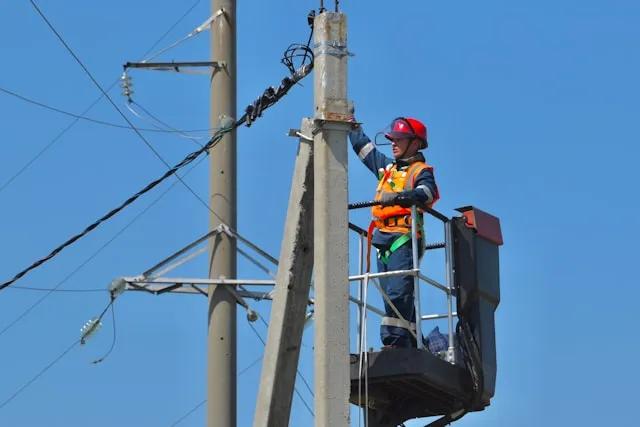
Over the past year, nonresidential and residential starts declined 10.3% and 17%, respectively. A 46.1% increase in nonbuilding construction year over year — largely from utilities and gas projects — kept total construction starts up 5% compared to January 2025.
For the 12 months ending in January, total nonbuilding starts improved 21%, driven by a 67.9% surge in utility and gas construction, with highway and bridge activity up 3.4%.
The data highlights a construction market increasingly dependent on large-scale energy and infrastructure investments, while traditional commercial and housing sectors face ongoing pressure from financing costs, demand uncertainty and market recalibration.
If megaproject momentum continues, total starts could remain stable in the near term. However, broader sector recovery will likely require renewed strength in residential development, office construction stabilization, and sustained institutional investment.
Originally reported by Sebastian Obando, Reporter in Construction Dive.






