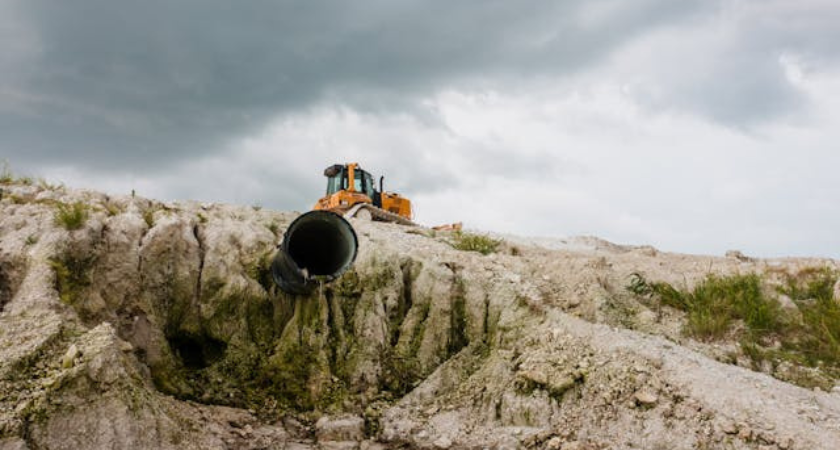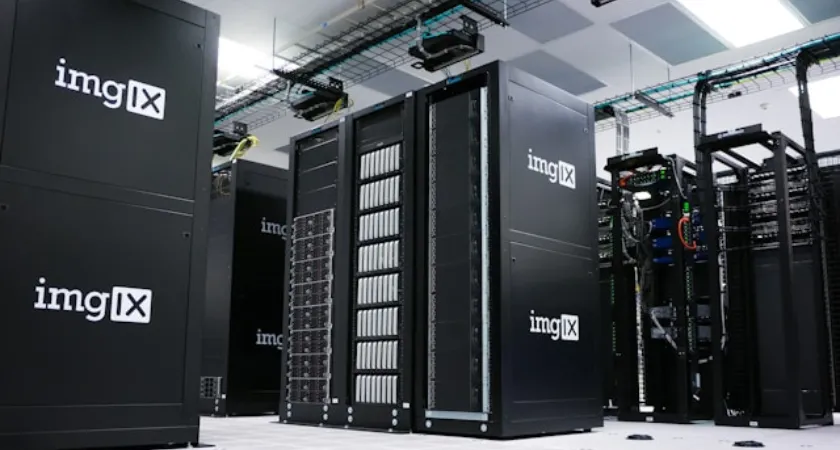
North America’s data center construction surge showed signs of cooling in late 2025, marking the first slowdown in years despite continued explosive demand for AI and cloud infrastructure.
.webp)
According to research from CBRE, capacity under construction declined nearly 6% year over year during the second half of 2025, even as demand indicators remained strong across major markets.
Vacancy rates dropped to a historic low of 1.4%, even as supply expanded by 36%, underscoring the persistent imbalance between supply and demand in the sector.
A range of structural challenges contributed to the slowdown, with power availability emerging as the most critical bottleneck.
“Power and electrical equipment is still the main driver of construction delays,” said Gordon Dolven, CBRE data center research director. “If a new site requires upgrading an existing transmission line, a brand-new transmission line, new generation brought to the grid, it can impact timelines drastically.”
In addition to grid limitations, the industry also faced supply chain pressures tied to memory and storage chip shortages, further complicating project timelines.
These constraints became particularly evident in the final quarter of 2025, when new construction activity dropped sharply.
Data from Wood Mackenzie showed that U.S. data center construction added 25 gigawatts in the fourth quarter — a 50% decline compared to the previous quarter.
“Developers shifted to focusing on the existing pipeline at the end of last year as opposed to new projects, as load queue constraints weighed on the market,” said Ben Hertz-Shargel, global head of grid edge for Wood Mackenzie.
Rather than launching new builds, developers prioritized completing projects already underway, reflecting growing challenges in securing grid connections and approvals for additional capacity.
Despite construction slowdowns, investment in data center infrastructure continued at an unprecedented pace.
Analysis from Dell’Oro Group found that global data center capital expenditures surged 57% year over year in 2025, surpassing $700 billion and on track to exceed $1 trillion.
Spending remained concentrated among major tech firms, including Amazon, Google, Meta and Microsoft, which collectively ramped up investments significantly.
Amazon CEO Andy Jassy said the company plans to double capital spending to $200 billion, while Google signaled it could more than double its own investments to $185 billion.
Meanwhile, Microsoft CEO Satya Nadella reported $37.5 billion in capital expenditures in the final quarter of 2025, with a large portion directed toward GPUs and CPUs needed to power AI workloads.
While the surge in spending reflects confidence in long-term AI growth, it also raises concerns about potential overcapacity.
.webp)
“This heightened level of investment raises the potential for overcapacity in AI infrastructure, although hyperscalers are taking proactive measures to mitigate risks and optimize costs,” said Baron Fung, senior research director at Dell’Oro Group.
The slowdown highlights a growing disconnect between digital demand and physical infrastructure readiness. While AI adoption continues to accelerate globally, the ability to deliver the necessary power, land and equipment is becoming a limiting factor.
Grid modernization, transmission expansion and faster permitting processes are likely to become central priorities for policymakers and utilities aiming to support continued growth in data center development.
At the same time, the industry’s pivot toward completing existing projects suggests a more disciplined phase of growth, where execution and infrastructure readiness may matter more than aggressive expansion.
Originally reported by Matt Ashare, Senior Editor in Utility Dive.