Construction activity across the United States is becoming increasingly diversified in 2026, with strong gains in several sectors even as others retreat, according to new data from ConstructConnect.
.jpg)
Through the first quarter of 2026, data centers and private office construction remain the dominant growth drivers, while hospitality, healthcare and civil infrastructure projects are also posting significant gains. At the same time, manufacturing, airports and large venue projects are experiencing notable declines.
The most significant trend in early 2026 construction starts is the sharp increase in private office projects, largely fueled by data center development.
According to ConstructConnect, private office starts — which include data centers — have surged to nearly four times the average levels seen over the previous two years. This growth far outpaces all other construction categories, underscoring the scale of investment flowing into digital infrastructure and artificial intelligence facilities.
Data center projects require extensive electrical systems, cooling infrastructure and structural work, creating opportunities for contractors specializing in concrete, steel and electrical trades.
This surge highlights how demand for digital infrastructure continues to reshape the construction landscape, positioning data centers as a central focus for owner spending and contractor activity.
Outside of the data center boom, other sectors are also seeing strong performance in early 2026.
Hospitality construction has surged, with hotel and motel projects increasing 149.8% year over year. Healthcare is also expanding rapidly, as hospital and clinic construction starts have risen 116.5% compared to the same period last year.
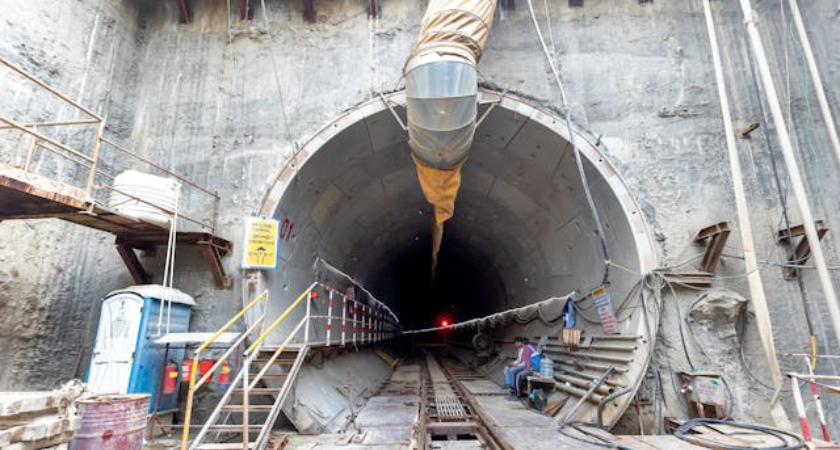
Civil construction remains a steady contributor to industry activity. Categories such as dams, canals and marine projects are up 78.1%, while broader civil work has increased 100.8%. Power infrastructure projects have also climbed 21.3%, reflecting ongoing investment in energy systems and grid upgrades.
These gains suggest that infrastructure-related work continues to provide a stable foundation for contractors, particularly those involved in heavy civil, utility and sitework projects.
.jpg)
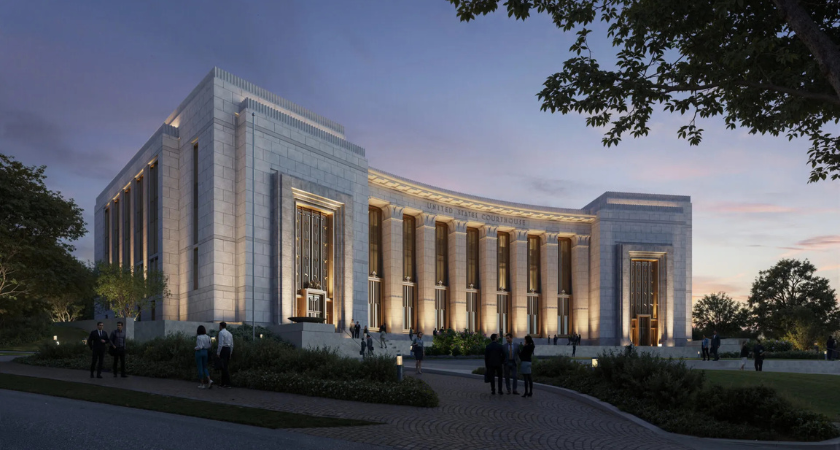
Moderate growth is also occurring in other sectors. Elementary schools are up 15.2%, shopping centers have increased 13.2%, and water and sewage projects have grown 10.9%. Smaller gains are seen in bridges, secondary education facilities, roads and government buildings.
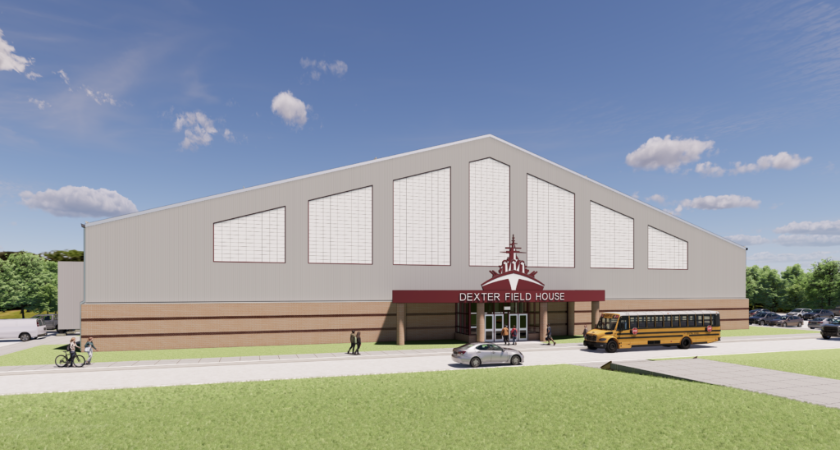
However, not all segments are expanding. Several categories are experiencing sharp declines, including sports and convention centers, which are down 56.6%, and airports, which have dropped 36.8%. Manufacturing construction has decreased 27.2%, while warehouses, higher education and amusement projects have also declined.
The data indicates that after years of heavy investment, some of these sectors are entering a period of contraction.
Overall, the 2026 construction landscape reflects a market that is both uneven and opportunity-rich. While data centers continue to dominate growth, expanding activity in healthcare, hospitality and civil infrastructure is helping to balance the market.
Industry analysts say contractors who align with high-growth segments — particularly digital infrastructure and essential public works — will be best positioned to capitalize on evolving demand throughout the year.
Originally reported by Devin Bell, Associate Economist in Construct Connect News.



.png)