IOWA — The Iowa Department of Transportation is advancing infrastructure innovation by deploying digital twin technology on the replacement of the historic Black Hawk Bridge, achieving significant cost savings and schedule efficiencies before construction is fully underway.
.jpg)
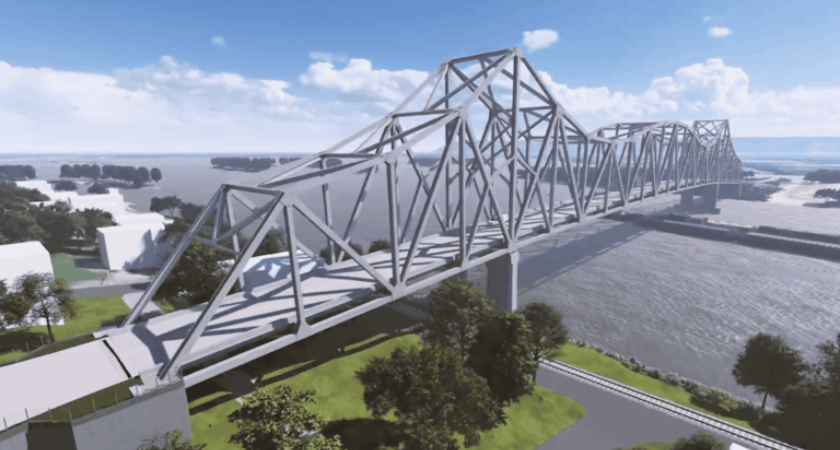
By creating a highly detailed, cloud-based 3D model of the bridge — often referred to as a “digital twin” — engineers have been able to simulate construction processes, identify design conflicts and optimize workflows in a virtual environment. The approach has already reduced the project timeline by six weeks and saved an estimated $3.2 million.
One of the most notable benefits of the digital twin model emerged during the preconstruction phase. Fabricators reviewing the virtual design identified a critical issue involving access holes in truss connections that were too small for tools to pass through.
Under traditional design and construction processes, such an oversight might not have been discovered until field installation, leading to costly rework, delays and increased safety risks. Instead, engineers were able to modify the design digitally within days, ensuring constructability before fabrication began.
This proactive clash detection and design validation highlight how digital modeling tools are transforming project delivery, particularly for complex infrastructure builds.
The project will replace the original Black Hawk Bridge, built in 1931 and known locally as the “singing bridge” due to the hum created by its steel deck. While historically significant, the aging structure had become functionally obsolete, with a narrow roadway and structural concerns that led to its closure in late 2024.
The new bridge is designed to meet modern transportation demands. Plans call for doubling the width to 40 feet, adding proper shoulders and installing a smooth concrete deck to improve safety and driving conditions. Additionally, the updated design will widen the navigation channel, allowing more efficient passage for barge traffic along the Mississippi River.
Beyond construction, the digital twin will continue to deliver value throughout the bridge’s lifecycle. Engineers and maintenance teams are already leveraging the model as a living document to monitor performance and anticipate future maintenance needs.
For example, crews are using the model to predict potential maintenance challenges, such as bird nesting locations that could affect structural components. The digital platform also provides a way for the public to engage with the project through interactive 3D visualizations and virtual fly-throughs.
With a targeted opening in fall 2027, the Black Hawk Bridge project demonstrates how digital-first strategies can enhance efficiency, reduce risk and improve long-term infrastructure management.
As transportation agencies across the country look to modernize aging infrastructure, Iowa’s use of digital twin technology offers a scalable model for delivering smarter, more cost-effective construction projects.
Originally reported by Proeksa Meas in Construction Property.
.png)


.png)