Growing electricity demand from data centers is accelerating investment in utility-scale renewable energy infrastructure across the United States. Google has partnered with Cypress Creek Energy to begin construction of the Steel River Energy Center in Mississippi County, Arkansas, a large-scale solar and battery storage development intended to strengthen regional power supply and support expanding energy needs.
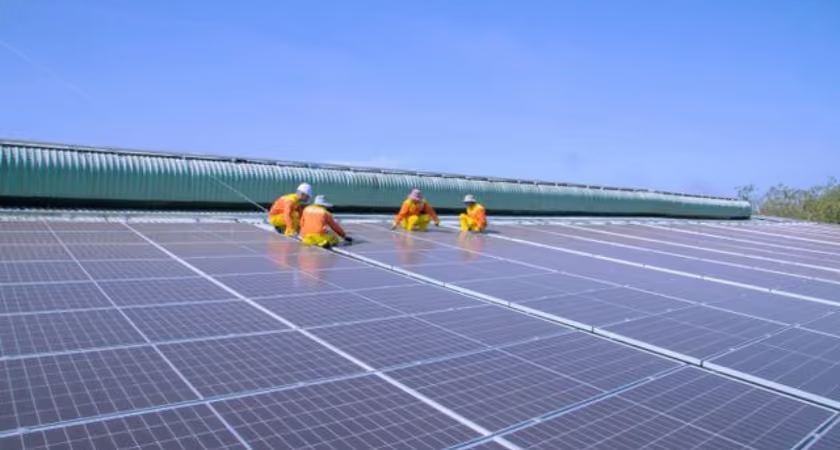
The Steel River Energy Center will be developed in three phases, with the first two phases adding 1.6 gigawatts (GWdc) of solar generation and 1.9 gigawatt-hours (GWh) of battery storage to the regional electric grid.
When fully completed in 2029, the project will provide 2.5 GWdc of solar generation and 2.9 GWh of battery storage, making it one of the nation's largest combined solar and energy storage developments. The facility is expected to generate enough electricity annually to serve more than 315,000 Arkansas homes.
Google will participate as both an anchor investor and an energy offtaker for the project's initial phases.
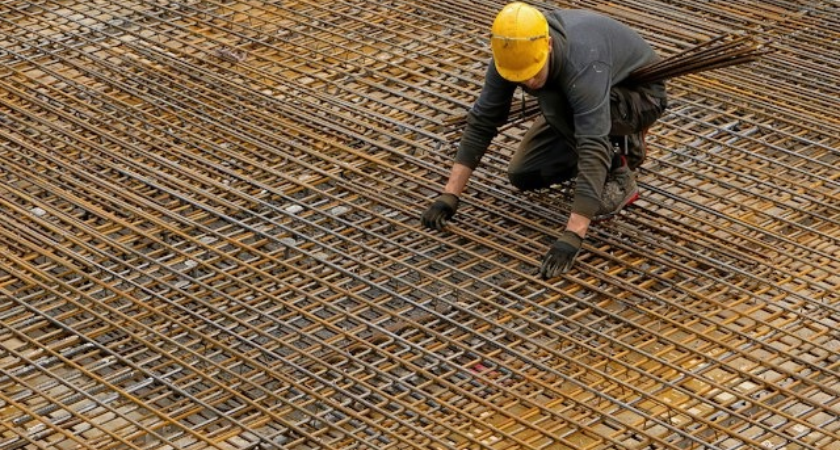
Construction will utilize structural steel manufactured entirely in the United States, with materials supplied from U.S. Steel's Big River facility in Arkansas and processed by PACO Steel.
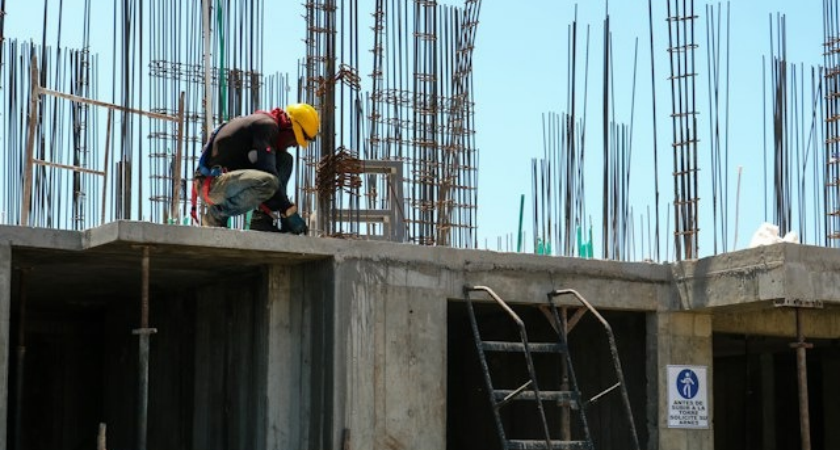
According to Google, construction is expected to support approximately 700 local jobs and generate an estimated $300 million in tax revenue over the project's operational life.
In addition to the energy investment, Google announced a $5 million commitment to community programs supporting energy affordability, residential weatherization, and energy efficiency improvements for schools across Arkansas.
Utility-scale renewable energy projects continue to drive demand for civil construction, electrical infrastructure, steel fabrication, and energy storage systems. For construction owners, contractors, and developers, projects such as the Steel River Energy Center highlight the growing intersection of data center expansion, domestic manufacturing, and grid modernization as utilities and technology companies invest in long-term energy capacity.
Source: Blog. Google.